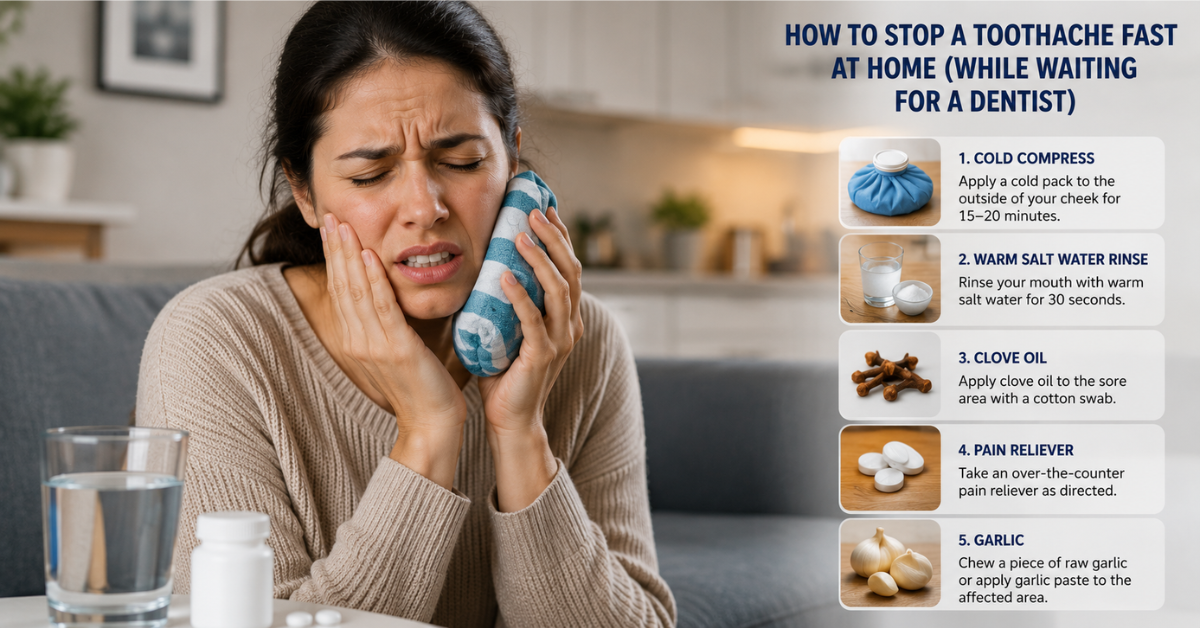
Teeth grinding is a relatively common problem.
You may not even realize you’re doing it, but it can come with many unwanted side-effects. Teeth grinding can be caused by stress , jaw misalignment, other medical conditions, and more. While there are many causes and side-effects, bruxism, which is the medical term for teeth grinding, cannot be ignored or overlooked. Let’s look further at understanding bruxism along with the causes and treatment options.
What is bruxism?
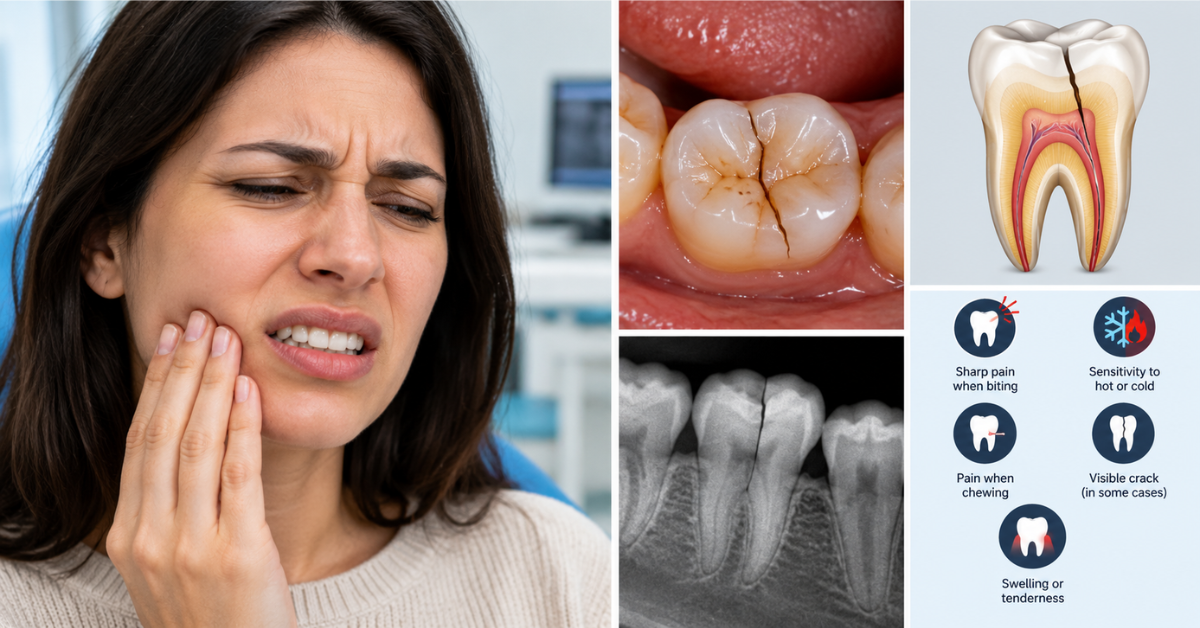
Bruxism occurs when someone frequently grinds their teeth. The most common form is sleep bruxism. Because you are unlikely to know how often you grind your teeth at night, it might take someone else to tell you that you do. Other indicators include consistently waking up with a headache and/or sore jaw. Letting your bruxism go for too long without treatment can lead to fractured, loosened, or lost teeth, among other serious side effects.
What causes bruxism?
There are many potential causes of bruxism . Some of these causes are well-known, and some are only speculated due to minimal research. As mentioned, stress can be a large factor in the cause of bruxism, as your jaw will naturally clench and become tighter in times of stress or anxiety. Behaviors related to stress such as tiredness, alcohol consumption, and smoking are also known contributors to bruxism. Additionally, bruxism can be caused by neurological diseases like Huntington’s or Parkinson’s, or it can be caused as a side effect of medications such as antidepressants , antipsychotics, and amphetamines. Sleep apnea is also known to cause bruxism.
The most common causes of bruxism are related to the jaw, caused either by an abnormal bite or by temporomandibular joint (TMJ) disorders. Bruxism and TMJ often go hand-in-hand — bruxism can cause TMJ problems , and TMJ problems can cause bruxism. This can be due to misalignments in the jaw or due to tension in the muscles surrounding the jaw. Those with TMJ disorders are often more likely to grind their teeth in their sleep.
It may be surprising to hear, but bruxism occurs more frequently in children than adults. This generally happens when baby teeth are growing in or when permanent teeth begin to grow. Bruxism in children also happens most often at night when asleep as a result of the pain of growing teeth. This rarely causes serious problems other than some jaw pain and discomfort, and most children grow out of bruxism once both sets of teeth have grown in. Children can also experience bruxism due to stress or in relation to hyperactivity disorders. No matter what, a dentist should always be consulted when a child mentions tooth or jaw pain.
What are the remedies for bruxism?
There are many bruxism treatment options. While there is no specific cure for bruxism, many symptoms and causes can be minimized on your own and with the help of a dentist or physician. Here are some tips to help reduce bruxism along with treatment for bruxism that you can seek out:
If you have nocturnal bruxism …
• Make a conscious effort to have a relaxation routine before bedtime. This will help reduce any lingering stress before you fall asleep.
• Maintain a cool, comfortable, and dark sleeping environment to keep distractions away.
• Change your sleeping position.
Your dentist may also provide you with a dental night guard to help protect your teeth and jaw while you sleep at night.
If you wonder how to stop clenching your jaw from stress…
• Implement a nightly routine as described for nocturnal bruxism, as a good night’s rest will also reduce your daytime stress levels.
• Seek out stress counseling to help you manage your stress levels.
• Go to physical therapy for your jaw movements.
• Begin a healthy exercise program for your mental and physical well-being.
You can also make simple daily changes to your life routine to decrease the potential aggravators of bruxism. These simple changes and remedies include…
• Cutting back on the consumption of foods and drinks that contain caffeine like soda, coffee, and chocolate.
• Avoiding alcohol consumption, as it is a known cause of bruxism.
• Not chewing on non-food items, including gum, in order to avoid muscle tension.
• Consciously training yourself to often relax your jaw by placing the tip of your tongue in between your teeth.
• Holding a heating pad or warm washcloth against your jaw in the evenings can also relieve tensions.
For more serious cases of bruxism, your dentist or physician may prescribe other methods to reduce bruxism. In addition to a dental night guard for your mouth, a dentist or orthodontist may give you a splint to fit on either the top or lower teeth to help relax the jaw or prevent teeth damage. A physician may also prescribe muscle relaxers for intense jaw clenching.
Don’t suffer in silence from jaw pain, tooth pain, or headaches as a result of teeth grinding. If you struggle with bruxism, 24/7 Local Dentist can provide effective options for you. We also offer treatment options for TMJ disorders , which often are related to bruxism.