One of the quickest ways to make an improvement to your smile is through composite resin bonding treatment. Whether you have a chipped tooth or large gap between teeth, composite bonding can be an economical solution that provides a long-term aesthetically pleasing result. Learning more about composite bonding will help you better assess whether this is the best treatment for your situation when discussing cosmetic options with your dentist.
What is composite bonding?
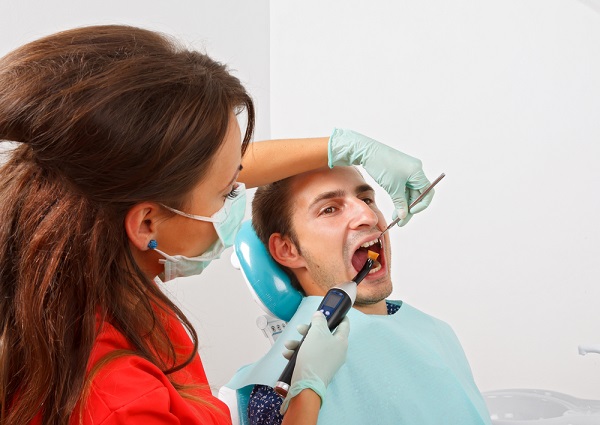
Composite bonding is a cosmetic technique where a tooth-colored resin is shaped and molded on your teeth to create a whiter, more even smile. The procedure begins with the dentist applying a conditioning gel to the teeth to help the bonding material adhere. A bonding agent is then applied directly to the teeth, and shaped to appear natural, while addressing any cosmetic issues. An ultraviolet light is used to cure the resin, followed by a final polish.
Because the process involves a high level of technique to achieve a natural-appearing mold and shape, it’s recommended to find a dentist who has experience and specialty in this area.
Composite bonding can be recommended for the following:
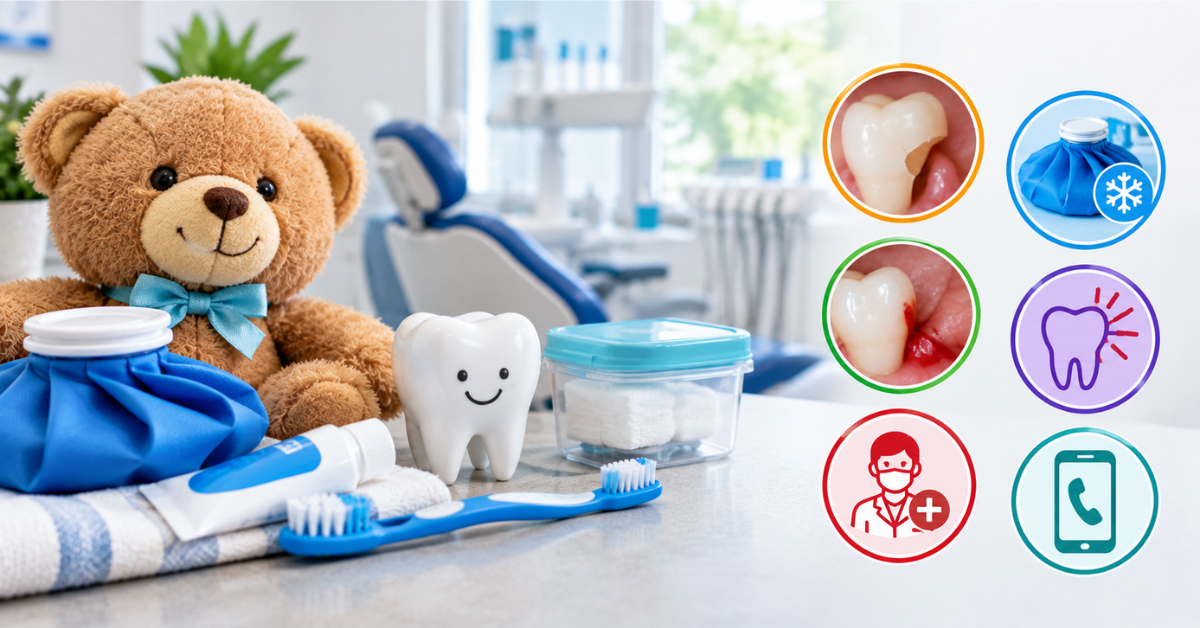
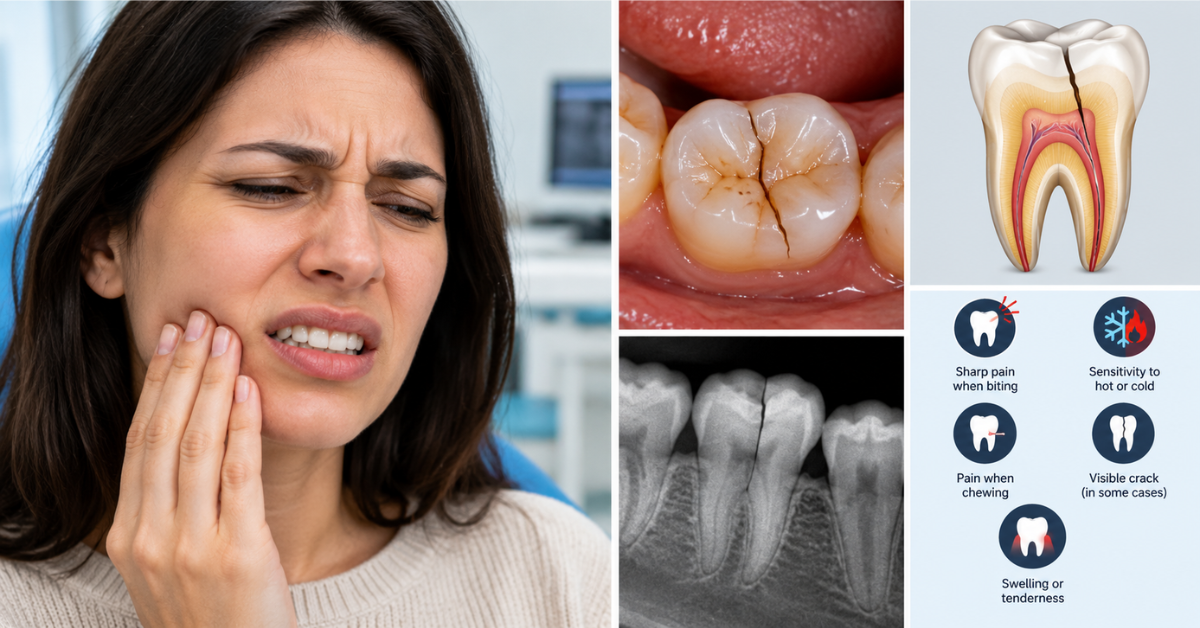
- To repair cracked or chipped teeth
- To improve tooth color, when it cannot be improved with teeth whitening
- To close spaces between teeth
- To make teeth look longer
- To change the shape of teeth
- As an alternative to amalgam fillings
- To protect the root of a tooth that may be exposed due to receding gums
Why would you choose composite bonding over other options?
For those with otherwise good teeth, cost may be the deciding factor. As opposed to veneers – a thin porcelain shell affixed to the front surface of the tooth to cover cosmetic imperfections – composite bonding is considerably more economical.
Veneers range from $250 to $2,500 per tooth, but on average cost around $1,000 each. Costing between $100 to $400 per tooth, composite bonding is a much less expensive alternative to veneers. Once you have settled on composite bonding, the treatment can generally be completed in one appointment.
Advantages of veneers include a more natural appearance – as porcelain better mimics the light reflecting properties of natural teeth – and a 10- to 20-year lifespan. Aside from cost, the downside to veneers is that the dentist must remove a layer of tooth enamel each time a veneer is replaced. Assuming you’ll need to replace a set of veneers several times throughout your life, you may eventually reach a point when your dentist recommends an alternative cosmetic solution, such as composites or crowns.
How long does composite bonding last?
With proper care and regular cleanings from your dentist every six months, composite bonding can last up to 10 years, although the average expectation is 6 years. As with any cosmetic dental procedure, the longevity of the results will depend on how well you care for your composites . This includes avoiding habits such as chewing ice or hard candies, opening items with your teeth, etc.
Composite bonding is also more susceptible to staining than veneers, which means you should avoid coffee, tea (or drink through a straw) and red wine, or brush immediately afterward. Avoiding tobacco products is also advised – in addition for numerous well-documented health reasons. Issues such as a misaligned bite or teeth grinding can also decrease durability.
Making the right choice
The decision to choose composite bonding is best made in consultation with your dentist. Composites can provide a bright, attractive smile at less expense than other cosmetic options, and give you the boost in confidence to pursue your goals.
At 24/7 Local Dentist , we provide patients with a combination of state-of-the-art technology, the highest quality restorative materials available, and advanced dental procedures through minimally invasive techniques. We strive to identify treatment options that fit your unique needs in order to achieve a beautiful, healthy smile.
If you have questions about composite bonding , or would like to know if you are a candidate for this procedure, contact us to schedule an appointment.