Have you ever eaten ice cream or any cold food and felt a sharp pain in a tooth? If you experience this sensation on a regular basis, it may mean that one or more teeth are sensitive to cold liquids and foods. What may seem like a benign annoyance can indicate serious dental issues, including gum disease and tooth decay. 24/7 Local Dentist looks at this common condition so you’ll know if your sensitivity is easily managed by some simple changes, or a warning of a condition requiring immediate treatment.
What are the causes?
Before we talk about treatment, it is important to know how this sensitivity can come about. Known as “dentin hypersensitivity,” the causes are varied, but most relate to your oral care routine, as negligence can be a factor.
“In healthy teeth, a layer of enamel protects the crowns of your teeth – the part above the gum line. Under the gum line a layer called cementum protects the tooth root. Underneath both the enamel and the cementum is dentin.
“Dentin is less dense than enamel and cementum and contains microscopic tubules (small hollow tubes or canals). When dentin loses its protective covering of enamel or cementum these tubules allow heat and cold or acidic or sticky foods to reach the nerves and cells inside the tooth. Dentin may also be exposed when gums recede. The result can be hypersensitivity.”
Here is a list of possible causes , according to the ADA:
• Tooth decay or gum disease – If this is the cause of your tooth sensitivity, you are most likely in the early stages of one of these conditions, which can be caused by plaque build-up on the teeth and gums. What first manifests itself as sensitivity to the cold can escalate into tooth decay or gum disease if not treated.
• Undisciplined brushing – Brushing too hard and/or overusing tooth whitening treatments can cause sensitivity. In the case of the latter, more is not better. Follow package instructions and use only for the recommended length of time.
• Exposed nerve roots – As previously mentioned, loss of dentin or exposed dentin can be the source of sensitivity.
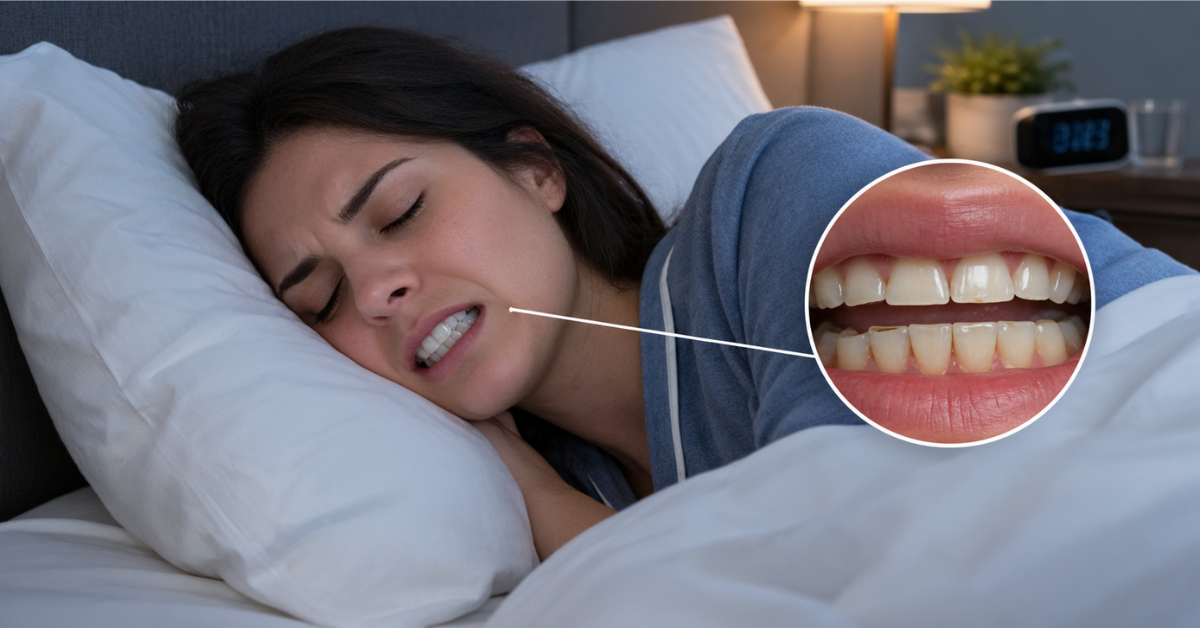
• Cracks in the tooth’s enamel surface – Extreme temperature changes cause teeth to expand and contract. Over time, microscopic cracks may develop, allowing hot or cold sensations to seep through to the nerves beneath the tooth enamel.
In addition, tooth decay, fractured or loose teeth , worn fillings and worn tooth enamel may be other possible causes.
What are the remedies?
Assuming that cold sensitivity isn’t a symptom of a damaged tooth, decay or gum disease, a change in your oral care or diet may help.
Here is a list of ways to manage sensitivity , according to Delta Dental:

• Use a softer toothbrush – A toothbrush with soft bristles will reduce the amount of irritation your gums experience. Also, brush lightly to avoid wearing down enamel and irritating your gums.
• Change your toothpaste brand – Switch to a brand formulated for sensitive teeth. Whitening toothpastes that lighten or remove stains from enamel and tartar-control toothpastes containing sodium pyrophosphate increase sensitivity, and should be avoided. Toothpaste for sensitive teeth must be used on a regular basis for at least a month before you experience results.
• Change your diet – Avoid or limit acidic items (for example, food or drink with a high concentration of tomatoes, oranges or lemons).
To help your dentist diagnose the cause, catalogue the history of the sensitivity – for example, when it started, where it hurts, when it hurts the most, what provides relief, etc. Depending upon the cause, treatment may consist of in-office application of a desensitizing agent or a protective coating for the teeth, or a take-home product. A more serious condition may necessitate a surgical gum graft, root canal or crown.
No matter what the cause, any oral pain you experience needs to be discussed with and diagnosed by your dentist for both immediate relief and to prevent the condition from becoming worse. 24/7 Local Dentist can provide appropriate care for immediate dental needs and long-term oral health through a variety of services .