Going to the dentist can be frightening, especially if you suffer from dental anxiety . A dental cleaning is a straightforward procedure, but it can cause some people anxiety because of the odd noises and the thought of being in pain. On the other hand, being aware of what happens during the procedure will help you feel less anxious. In this blog, we break down the primary teeth-cleaning steps for your next visit.
Before we start, let’s discuss the advantages of having your teeth cleaned. Everyone needs regular dental cleanings to prevent and detect gum disease , tooth decay, and oral cancer before they become serious. Apart from cleaning your teeth thoroughly by a professional dental hygienist, here are four other advantages of dental cleaning:
— Early Detection of Oral Health Issues
The hygienist can detect early signs of problems, such as broken fillings and fractures, during professional teeth cleaning. If there are any infections, the hygienist will work with the dentist to use x-rays and an inspection of the mouth to find out the extent of the infection. Regular dental cleanings can help you avoid gum disease and tooth decay before they cause cavities and require a root canal or dental implant .
— Prevent Plaque, Cavities, and Tartar Build-up
Plaque is a sticky film of bacteria that forms on your teeth after you eat or drink something. It can also build up underneath the gums on tooth roots and weaken the bones that support teeth. If plaque builds up, it will harden into tartar and become difficult to remove, eventually causing tooth decay. The bacteria in plaque produce acids that eat away your tooth enamel, causing cavities.
— Reduced Halitosis
Bad breath, also known as halitosis, can be embarrassing and even cause anxiety in some people. Dental problems or plaque carries foul-smelling bacteria that can cause bad breath over time. The hygienist will clean areas where food particles compile and remove any bacteria from your mouth during a dental cleaning. A professional dental cleaning deeply cleans the entire mouth, which can help reduce bad breath.
— Enhance Your Overall Wellbeing
Your overall health and your oral health are interlinked. Several potentially fatal diseases, including cardiovascular disease, are linked to poor oral health. Toothaches can also lead to migraines and insomnia. When tooth decay goes untreated for an extended period, bacteria can enter the bloodstream and lungs, causing endocarditis and airway inflammation.
Poor oral health affects other aspects of our health. It’s essential to schedule a professional dental cleaning session to identify problems early on and help you maintain a happy smile, along with good overall health.
The steps of professional teeth cleaning:
- Initial Oral Examination
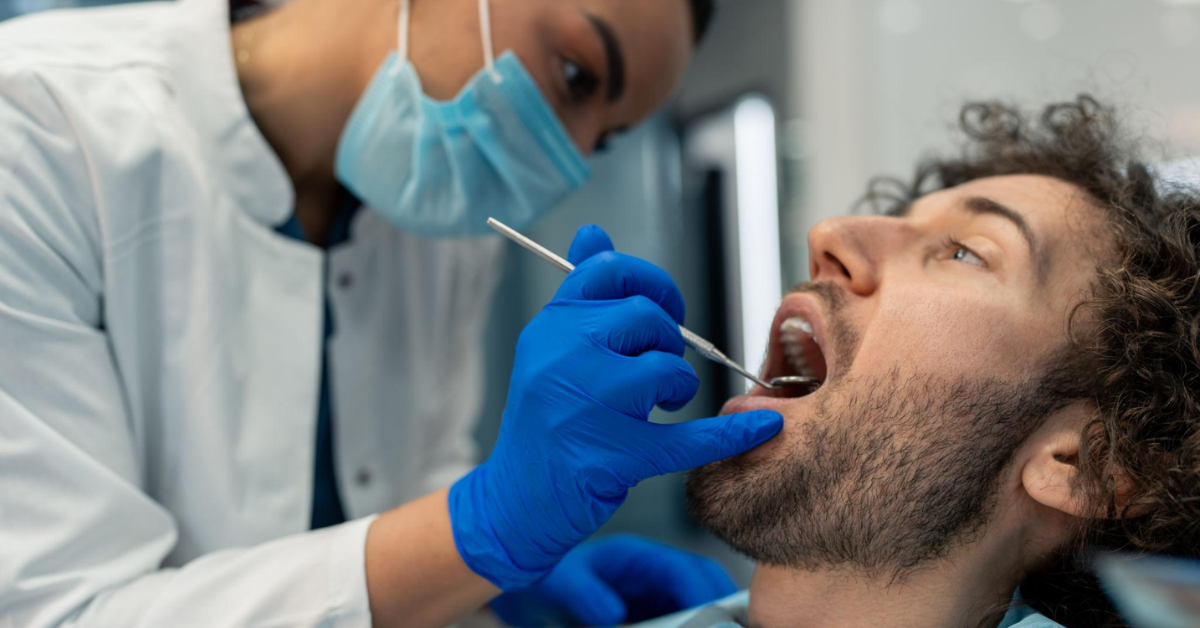
The first step is a physical examination of your entire mouth. The hygienist uses a mirror to inspect all areas of your mouth for signs of gingivitis (inflamed gums), potential cavities, or other issues.
- Dental X-Rays
Most dental check-ups include digital x-rays of your teeth and gums to look for tooth decay, bone loss, gum disease, and oral abnormalities. This step is not always required, but it is done periodically because it allows your hygienist to assess your oral health.
- Plaque and Tartar Removal
Next, the hygienist will use a scale to remove tartar from under and above the gum line of your teeth. You will hear scraping sounds on your teeth at this point. The amount of tartar on the teeth determines the duration of the scraping: the more tartar there is, the longer it will take to scrape a specific area. If you have gingivitis (or gum disease), your gums may bleed after tartar removal, and your mouth may feel slightly sore.
- Dental Polishing
The next step is dental polishing. It makes teeth look cleaner and brighter, but does not whiten teeth. The hygienist will deep clean your teeth using gritty toothpaste on a high-powered electric brush to scrub and polish the teeth more effectively. This step makes a whirring noise.
- Flossing and Rinsing
This step will be familiar to you. The hygienist will carefully place a piece of floss deeply between your teeth and gums to remove any loose plaque from any areas between the teeth. Professional flossing removes any remnant of plaque or toothpaste from earlier in the cleaning process and is followed by you rinsing your mouth to remove any remaining debris, residue, or toothpaste.
- Fluoride Treatment
The next step is for your hygienist to apply a fluoride treatment on your teeth to protect their teeth from cavities . The fluoride treatment could be in the form of paste, gel, or foam applied to the teeth for one minute or until completely absorbed. Your hygienist may apply a fluoride varnish to add a layer of defense.
- Final Check Up
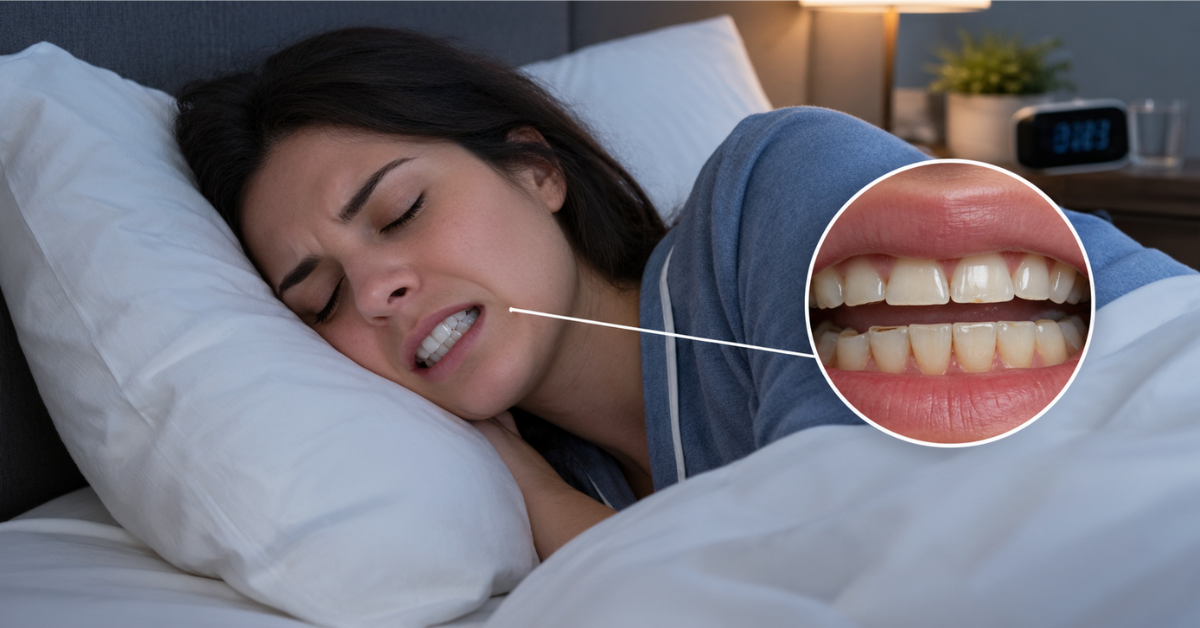
Once your teeth are clean, your dentist may come in and may perform a final examination to check for grinding issues and tooth alignment. Your dentist will also look for signs of gum disease, such as redness and inflammation. If you have any questions or concerns, your hygienist or dentist will address them at this point.
Tips to stay calm
— Discuss your nervousness with the hygienist
Expressing concern about your dental anxiety helps you to calm down, allowing the hygienist to go above and beyond to ensure comfort. They may develop a hand signaling system, so patients can communicate when they are in excruciating pain or need a break.
— Try to schedule the appointment in the morning
Early morning appointments are ideal because there will be fewer people and a calm start to the day, making it easier to get through the session.
— Bring a friend along with you
Ask a loved one to accompany you to your appointment; their presence can make you feel safe, comfortable, and relaxed and help calm your mind.
Professional dental cleanings can remarkably improve your overall health. The dental specialists at 24/7 Local Dentist Group are skilled, seasoned, professionals who have been making smiles great since 1968. Our main goal is to maintain good oral health by detecting early signs of dental cavities, gingivitis, and oral cancers. Plan a professional cleaning for your teeth every six months to help stop gum disease and tooth decay in their tracks. Have you gotten your teeth cleaned this year? If you haven’t, then it’s time to have it done. Call (833) 220-2448 today to schedule an appointmen t with Cunning Dental Group for your dental cleaning.