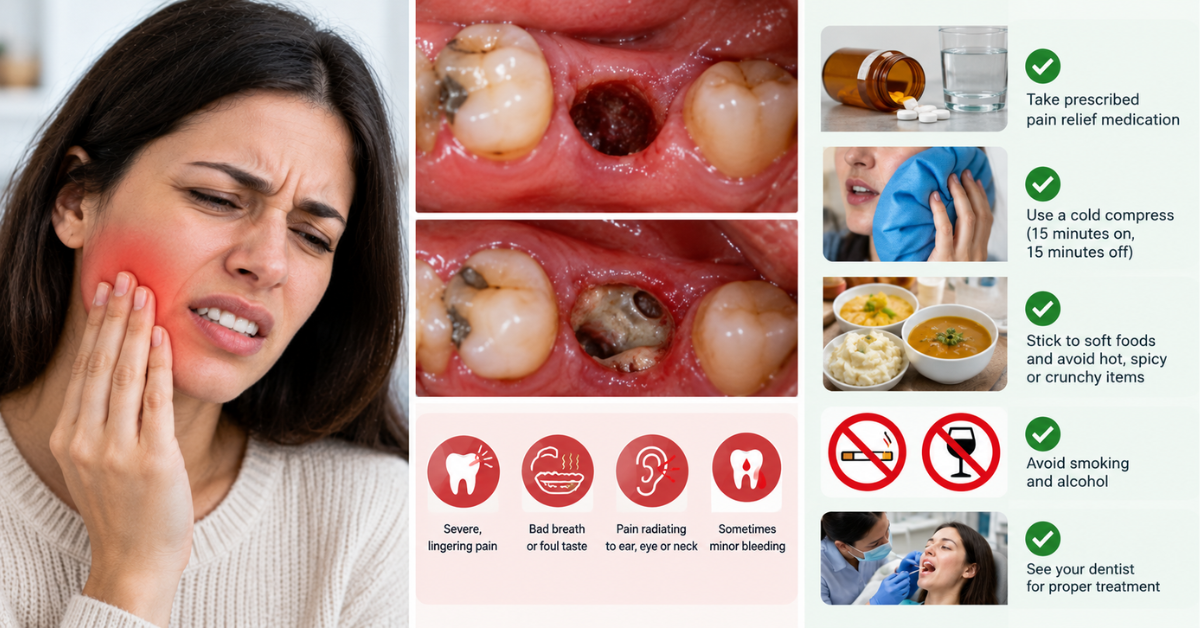
The third molars at the back of your mouth are called wisdom teeth. If they are healthy, fully grown and perfectly aligned, they cause no practical problems. It is always advised to ask your dentist’s opinion before concluding whether you have healthy wisdom teeth or if your wisdom teeth may cause potential issues in the future.
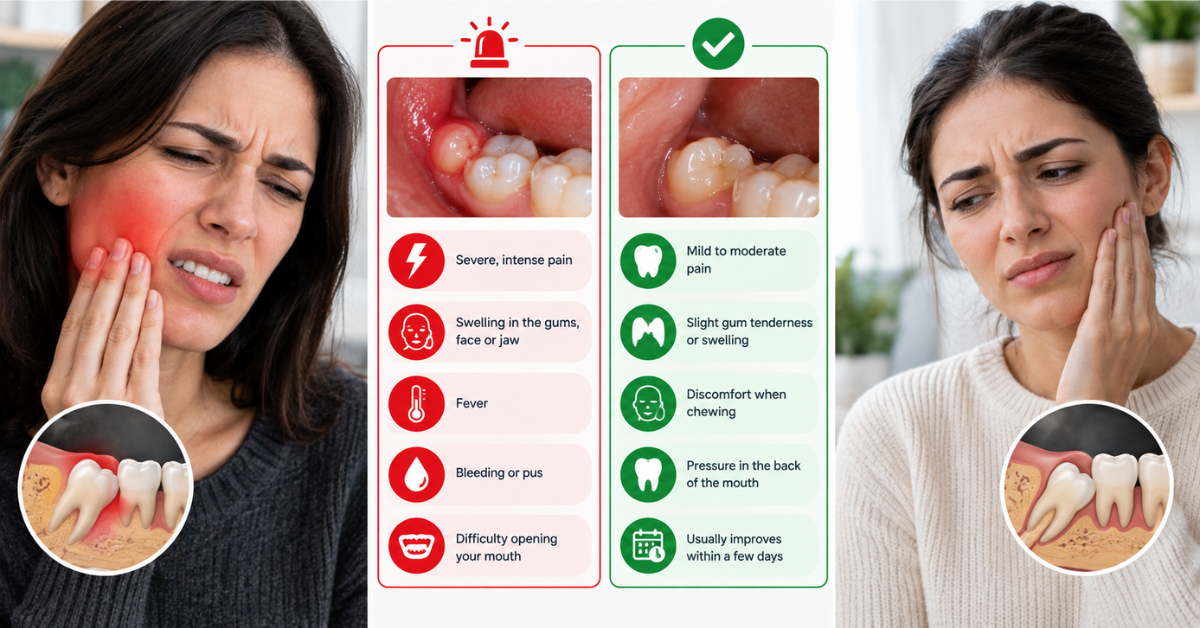
Wisdom teeth often lack space to grow, causing pain, hindered growth, and other problems, including angulated growth (tooth growth at various angles in the jaw). Despite not causing pain, wisdom teeth can cause other complications. You may consider the following to determine if you need to visit the dentist:
- Your gums cover your wisdom teeth and are completely hidden within your jaw.
When wisdom teeth don’t grow, they get trapped (impacted) in your jaw, causing pain and other complications. It is advised to visit a doctor before the problem affects other teeth. - You see partial growth of your wisdom teeth.
A partially-grown wisdom tooth may cause bacterial growth, infection, and pain if left untreated. This can also lead to a serious oral infection. - You have crowded teeth.
A few of us have crowded teeth, and this can hinder the growth of our wisdom teeth.
When can you expect a wisdom tooth extraction?
Dentists will recommend removing a wisdom tooth depending on various factors like infection, X-ray reports, and physiological reasons like extreme pain or insufficient space. You can also expect tooth extractions for the following reasons:
Wisdom tooth removal surgery takes less than an hour and may result in some discomfort afterward. There are some short-term alternatives to having surgery to address wisdom teeth issues, such as pain relievers and antibiotics. Surgical removal, on the other hand, is usually the best option. Wisdom tooth removal may cause some swelling for a few days, however, once the area has healed, you will notice no difference in your face or appearance. The most important advantage of a wisdom tooth extraction is that it lowers the risk of future oral health problems such as gum disease , tooth decay, damage to adjacent teeth, bone loss, and jaw damage.
If impacted wisdom teeth are left untreated, they could lead to more severe oral infections. Even if wisdom teeth emerge normally without any problems, their removal is still advised by dentists to prevent further dental problems . Wisdom teeth are also more likely than other teeth to develop cavities. They are located in the back of the mouth and can be difficult to reach. Since many people have difficulty properly brushing and flossing the area, wisdom teeth can develop cavities faster than other teeth.
When dealing with wisdom teeth, it is best to see a dentist right away rather than relying on temporary solutions if you are in pain. We understand that many patients are afraid of the dentist and have dental anxiety. We can help you through the process. If you’re scared of the dentist and want to sleep through your dental procedure , call 24/7 Local Dentist Group at (833) 220-2448 today to schedule an appointment .