Everyone knows what a dentist is, but have you ever heard of an endodontist? Often, a dental specialist will be referred to by the branch of dentistry they focus on and have specialized training in. Examples of these specialist titles include endodontist, periodontist and orthodontist. So, what is an endodontist? To answer that question, we’ll first need to answer the question of what is endodontics as a branch of dentistry. Then, we’ll look at the comparisons between a general dentist and an endodontist, followed by covering the different types of treatment that endodontists provide, such as root canal treatment .
Keep reading to learn everything you need to know about endodontists!
First, What Is Endodontics?
According to the American Dental Association , endodontics is defined as “the branch of dentistry concerning dental pulp and tissues surrounding the roots of a tooth.” The word comes from the Greek words of “endo” (meaning “inside”) and “odont” (meaning “tooth”). Dental treatment that falls under endodontics focuses on the inside part of teeth, which is known as the pulp tissue.
An endodontist is a dentist who then specializes in endodontics by pursuing two more years of training in the specialty after dental school. They typically provide treatments such as root canals , endodontic surgeries or special dental procedures to help preserve teeth that are in danger of extraction as the result of disease or a traumatic dental injury. Endodontists use advanced tools and techniques to improve the efficiency of and recovery from these procedures.
Dentist vs. Endodontist
As we briefly mentioned, an endodontist is a type of dentist. The main difference between a dentist and an endodontist comes down to training and a more focused specialization. The American Association of Endodontics refers to endodontists as “Specialists in Saving Teeth,” which is an apt description of what they do! Despite the necessity of endodontists, fewer than three percent of dentists become endodontists. This means that those who do are highly skilled at the treatment they provide.
Dentists and endodontists share the same initial training in the four years of dental school. Then, endodontists go on to study dental pulp diseases and treatment practices over the course of an additional two to three years of training. While a dentist might perform a wide variety of dental treatments throughout a week, endodontists will focus primarily on root canals, performing an average of 25 weekly root canals in addition to other pulp-related treatments.
Root Canals and Other Treatment
While endodontists perform root canals, they provide other treatments for dental issues that fall under the umbrella of endodontics. So, what exactly does an endodontist do ? Your dentist will likely refer you to an endodontist if you have experienced damage to the interior of a tooth (also known as the pulp) or to the root. This damage can be caused by tooth decay, injury from physical trauma to the teeth, a tooth abscess or a cracked tooth.
Treatments that endodontists provide include:
- Root canals
— Read our blog post, “
What to Expect with a Root Canal
” to learn more about this procedure.
- Endodontic retreatment
— If a previous root canal did not heal correctly, an endodontist can remove and replace materials from the original procedure.
- Dental implants
—
Dental implant surgery
is an outpatient procedure performed by endodontists to restore the natural look and function of a lost or very damaged tooth with strong artificial materials. Dental implants can also be placed by a
periodontist
, a different kind of dental specialist who focuses on the gums and the supporting structures of the teeth.
- Emergency dental treatment
— An endodontist may be called in to perform emergency dental treatment depending on the type of dental injury or tooth infection a patient has.
- Endodontic surgery
— Besides root canals and implants, endodontists also perform special dental surgeries, such as an apicoectomy (which removes the apex — or very tip — of the tooth’s root).
- Tooth extractions — Finally, an endodontist can extract a tooth that is decayed or damaged beyond saving, which can often be followed by a dental implant procedure.
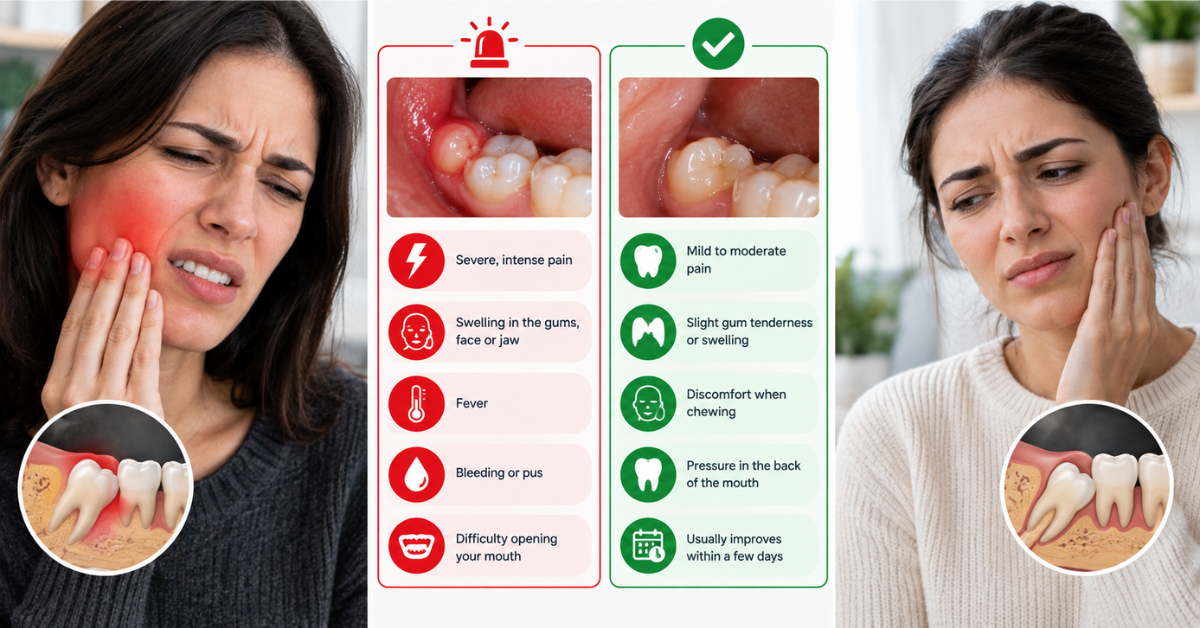
Symptoms such as persistent tooth pain, unexplainable pain in your jaw or mouth, swelling of the gums, or sensitive teeth to hot/cold temperatures or sweets could be signs that you need endodontic treatment. Seek immediate treatment if you experience signs of infection — such as a fever, difficulty breathing or swallowing, or redness or swelling between the mouth and the cheek. The sooner you are able to see an endodontist for treatment, the better your chances will be of preserving your tooth and maintaining your overall health.
Need a Chicago Endodontist?
Do you need a Chicago endodontist in the neighborhoods of Logan Square, Bucktown, Humboldt Park or Wicker Park? 24/7 Local Dentist is here for you. Our dental specialists include our General Dentist Dr. Khan, our periodontist Dr. Danesh, and our endodontist Dr. Sabek . From root canal treatment to your other dental needs, our staff strives to provide the most compassionate and high-quality dental care in Chicago.