You waited excitedly for your child’s little baby teeth to come in, but all of a sudden, they’re starting to come loose. But it may be a little too early for adult teeth. Before you tie a string around it to tug it out, let’s explore when your child should begin losing his or her baby teeth.
As children mature, their jaws and facial bones grow. Their baby teeth become loose and fall out, leaving space for their fully formed adult teeth to erupt. On average, children begin to lose their teeth naturally between the ages of four and six. Typically they will begin to fall out in the same order that they came in. You should expect your child to lose their front teeth first.
Now you or your child may notice that they have a loose tooth earlier than the age of four. While your first reaction may be to help them pull it out, this may be too early for tooth removal.
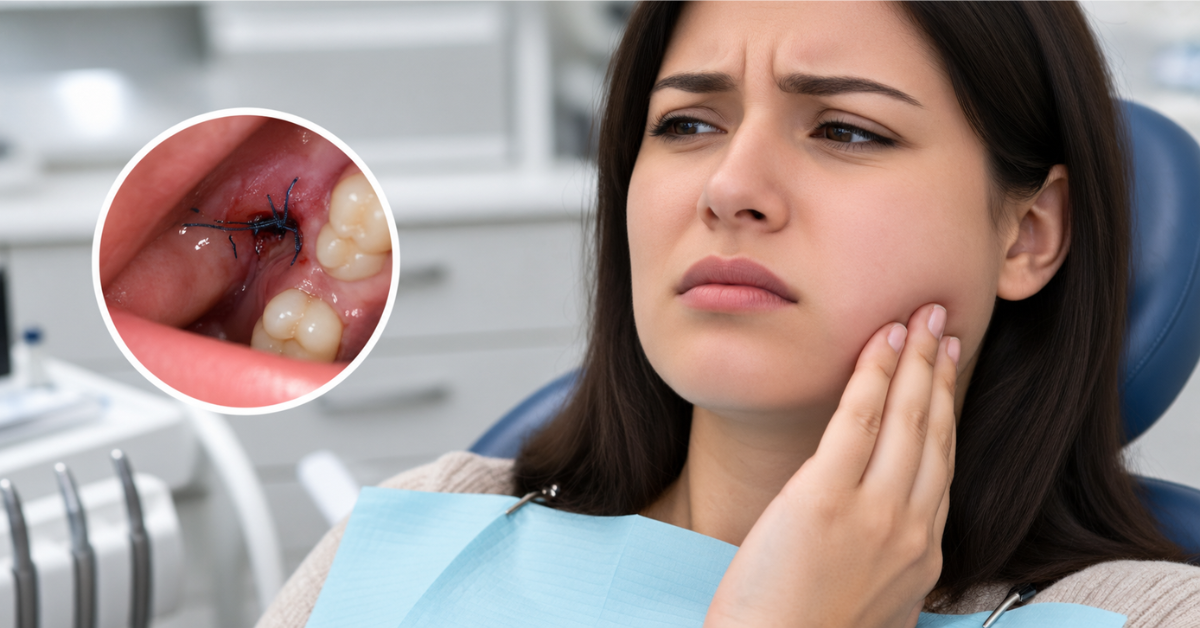
There are a few reasons why teeth may become loose prematurely. The first is related to any type of injury or fall. Sometimes, children may trip or fall from playground equipment and land on their face, loosening a few teeth. In this scenario, it’s important to take your child to seek medical care. This can be seen as a dental emergency.
When Baby Teeth Should Be Pulled
If your child is between the ages of 4 and 6 they may alert you to the fact that they have a loose tooth. You should give the tooth a little inspection. A naturally loose tooth shouldn’t hurt badly, neither should there be a lot of blood present. Teeth also tend to fall out in the order that they came in. Oldest teeth, which are the front teeth, fall out first. If this is the case for your child, it may be fine to help them with tooth removal.
When Baby Teeth Should NOT Be Pulled
The reason it’s not a good idea to pull out your child’s loose tooth has to do with the natural process of losing baby teeth. We lose our baby teeth as the root naturally dissolves, leading the way for our adult teeth to emerge. If you pull a wiggly tooth before the root has fully dissolved, you risk tearing gum tissue and perhaps resulting in pain.
In the case of an accidental mouth injury, teeth are sometimes not yet ready to be removed. If there is a lot of blood involved, your child may have suffered a dental injury. Ask your pediatric dentist for their expert opinion and seek some medical help for your child.
How You Can Safely Pull Out Your Child’s Baby Tooth
Some children are a little bit scared of losing their teeth, while others can’t wait for a visit from the tooth fairy. Some children with sensory issues really want loose teeth out of their mouths. If your child asks for help to remove a loose baby tooth, there are simple steps you can take.
First, wash your hands. Then place a clean tissue over the loose tooth and see if you can gently lift the tooth. If the root is not yet dissolved, the tooth will not lift easily. In this case, allow the tooth to stay a bit longer. If the tooth easily comes out, give it a rinse in water and let your child have a look at it.
This is a great time to discuss dental health with your child and share some of the knowledge you’ve acquired about teeth.
After Care
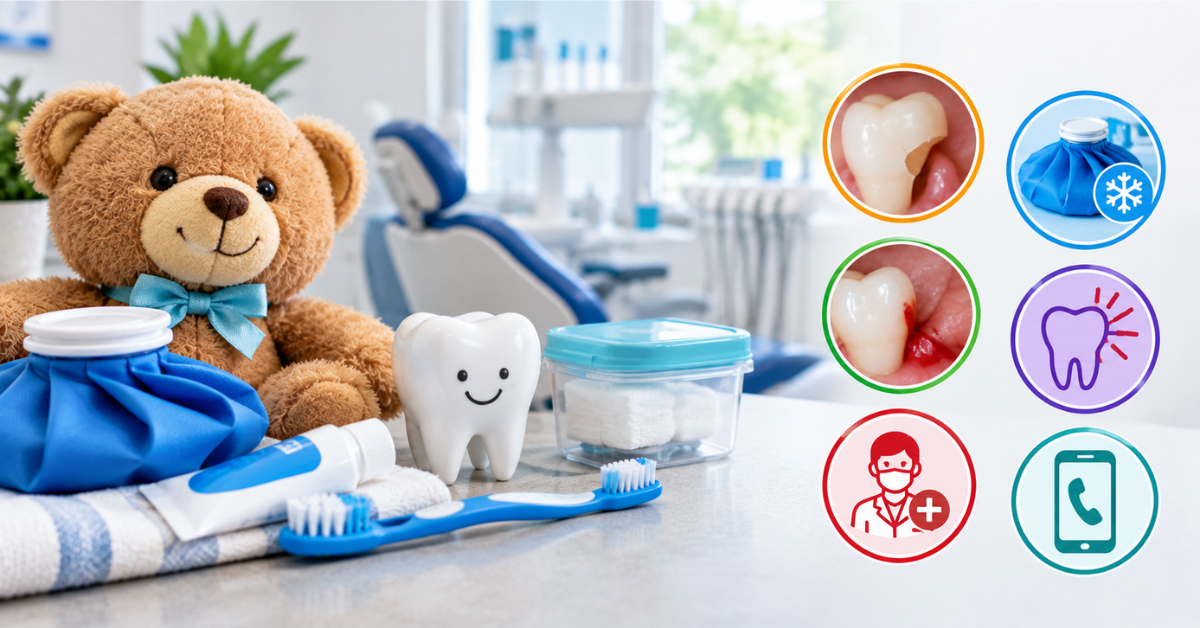
After a child has naturally lost a tooth, you can help them care for their gums in a few ways. Sometimes there is a tiny bit of blood involved with a naturally lost tooth. You can help your child press some gauze on the gums until the bleeding stops. Your child can also swish some cool water around in their mouth to help rinse some of the blood out. Encourage your child to continue to brush regularly, while being mindful of the sensitive gums around where their tooth used to be.
When it comes to losing baby teeth, it is best to let nature take its course. Teach your child to also wait to pull baby teeth until they are very loose and there is no discomfort. Losing baby teeth is a wonderful milestone and a special time to bond with your child. This is a time that you can teach your child about dental hygiene as well as celebrate their growing and changing body.