Are you missing a tooth? 178 million Americans have the same problem. Don’t worry—you and everyone else with this leading dental concern do not have to live with an awkward gap in your smile for much longer. If you schedule a consultation here at 24/7 Local Dentist, our dentists can offer you an effective solution for missing teeth called dental bridges.
Are you missing a tooth? 178 million Americans have the same problem. Don’t worry—you and everyone else with this leading dental concern do not have to live with an awkward gap in your smile for much longer. If you schedule a consultation here at 24/7 Local Dentist, our dentists can offer you an effective solution for missing teeth called dental bridges.
What is a dental bridge in California?
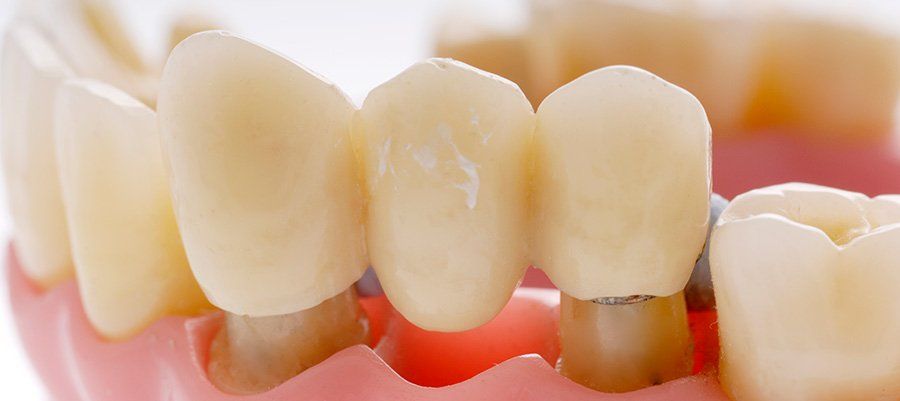
A dental bridge is a permanent appliance consisting of several pieces fused together to fit into the open space to replace a lost tooth. Getting a bridge involves one or more fabricated teeth referred to as pontics, which two (or more) crown abutments support on either side of the pontic. These appliances have been replacing missing permanent teeth and restoring attractive smiles since ancient times. Of course, the materials that dentists use have improved immensely over the years. Today, a dental bridge may be made of ceramic, porcelain, alloys, or gold.
What are the benefits of dental bridges?
Dental bridges provide the following advantages:
- Restores a natural look to your mouth or smile.
- Corrects speech issues, which is one of the seven dangers of missing teeth.
- Helps maintain a normal facial structure by preventing jaw bone loss and deterioration.
- Stops teeth from shifting.
- Restores your ability to chew food without feeling pain or discomfort.
- Prevents bite irregularities or a malocclusion from developing.
Are there any disadvantages?
Choosing a local dentist who does not offer the latest technology in bridges may lead to several complications, including:
- The crowns may alter the structure of your teeth.
- Tooth decay may occur if the crowns over the abutting teeth do not fit perfectly.
- The supporting teeth on either side of your bridgework may not be strong enough to hold the appliance in place, which could cause the bridge to collapse.
- Your abutment teeth may become severely damaged to the point where bridges may no longer be an option for you.
How long do dental bridges last?
Having a good oral hygiene routine, correcting any mistakes in your regimen, and making regular visits to your dentist are essential to maintaining dental bridges. Doing so will help your bridges last for 10 years or longer.
Are there any foods to avoid with dental bridges?
During the first few days following a dental bridge procedure, most dentists recommend eating soft foods until you become accustomed to your new dental appliances. Later on, having a diet rich in fruits, vegetables, and fiber rather than red meat will help foster good oral and overall health.
The foods to avoid after getting dental bridges include:
- Chewy and sticky candy, which could pull the crowns away from the abutment teeth.
- Hard candies and snacks, which could chip your bridge and teeth.
- Sugary foods, which could cause caries to develop under the crowns.
- Popcorn and nuts, which could damage the structure of a dental bridge.
Will a dental bridge change the way I talk?
Having one or more missing front teeth can impede your ability to enunciate certain words. A dental bridge can correct this problem and improve the way you speak.
Are there any studies on the long-term condition of dental bridges?
In 1993, the results of a longitudinal study involving 102 participants with bridges helped explain how dental bridges work. Dentistry students from the University of Oslo made the appliances for all 102 patients. Throughout the study, the participants received routine dental checkups, which allowed dentists to examine the crowned teeth’ disposition on the bridge compared to the control teeth (the teeth without crowns).
After 15 long years of dedicated research, the authors of the study concluded the following pros of dental bridges:
- There were no bone structure changes or deterioration between the crowned teeth and the control teeth.
- There was no significant difference in the amount of plaque between the crowned teeth and the control teeth.
There were also a few downsides:
- Compared to the control teeth, the gums’ overall condition was slightly worse for the crowned teeth.
- While measuring the surrounding gums' health by inserting a dental probe near the tooth beneath the gum line, the researchers found a slight increase in pocket depth among the crowned teeth. An increase in pocket depth suggests that the gums have a higher risk of developing gingivitis. There were no changes noted in the non-crowned teeth during the 15-year study period.
It’s important to keep in mind that the publishing date of this study was three decades ago. Vast improvements in dental bridge technology have transpired since then, meaning the procedure is safer and more effective than ever.
What types of dental bridges are available at 24/7 Local Dentist?
Our Zirconia bridges in Southern California mimic the beauty and translucency of natural teeth using zirconium oxide, which helps deliver strong and picture-perfect bridge restorations. These modern cosmetic appliances are an excellent alternative if you have any concerns about metal crowns and traditional bridges.
Am I a good candidate for Zirconia bridges?
You may be a good candidate for dental bridges if:
- You are missing one or more of your permanent teeth.
- The teeth on either side of your missing tooth are in good shape.
- Your jaw bone is strong and problem-free.
- You are generally healthy, with no serious health conditions.
- You have good oral health and practice proper oral hygiene.
“The difference between correct and incorrect oral hygiene is an important factor in the success of the dental bridge,” according to the University of Rochester’s Health Encyclopedia.
Are Zirconia bridges the right option for me?
Each patient has a different situation, and several factors are involved in determining who is and who is not eligible for this treatment. The best way to ascertain whether our state-of-the-art Lava™ bridge is right for you is through a consultation with one of our specialists. Contact us today at (833) 220-2448 or send us a message online to schedule your appointment. The smile you’ve always wanted awaits!