Preventing cavities in your child's mouth is more than half the battle. The good news is that cavities may almost fully be avoided with excellent dental hygiene. But what if a cavity has already started to form and it's too late? Many of us who are parents are aware that, despite our best efforts, cavities can and do occur. Everyone wants to keep the mouths of their children healthy, and good oral health depends on early cavity treatment. Therefore, it is crucial that as parents, we become familiar with the early indicators that a cavity may be developing.
Schedule Your Child’s Next Muscatine Dentist Appointment to Prevent Cavities
Call Our Muscatine Office at (833) 220-2448
Where Are Cavities Most Common or Most Likely to Be Found?
When you are checking your child’s mouth for cavities, these are the areas you’ll want to pay especially close attention to.
Molars and Premolars
The grooves you will find on the chewing surfaces of your child’s molars are a breeding ground for the bacteria that cause cavities. This is because these grooves can collect sticky foods that contain sugars and starches. This makes it so harmful bacteria that can secrete acid that can damage the surface of the tooth.
Between the Teeth
It can be difficult to fit your child’s toothbrush into the spaces between your child’s teeth, especially in the back of the mouth, where the molars touch each other. This makes removing damaging bacteria and acids from this area especially challenging, so good oral hygiene habits are important to prevent cavities. Cavities between the teeth are more common in baby teeth, and they can be difficult to see without an x-ray.
Above the Gumline
The surface of your child’s teeth just above the gumline can be a problematic area for children who drink a lot of juice, sodas, or other sugary beverages. This is because the sugars and acids in these drinks can cause can coat the teeth in the area around the gumline, which can lead to the formation of a cavity.
On the Roots
The surface of the root of your child’s teeth is softer than the enamel, and when it’s exposed due to periodontal disease it can lead to the formation of cavities. Luckily for most kids the gums cover the roots of the teeth. Regular visits to your pediatric dentist can help spot the early signs of periodontal disease so it can be treated before cavities begin to form.
Around Existing Fillings
While discovering cavities forming around your existing fillings is common in adults, it can also happen in children who have fillings that may have become weakened. This is because a fractured filling can leak around the edges, giving plenty of opportunities for bacteria to accumulate in the area.
Cavity Symptoms to Watch Out For
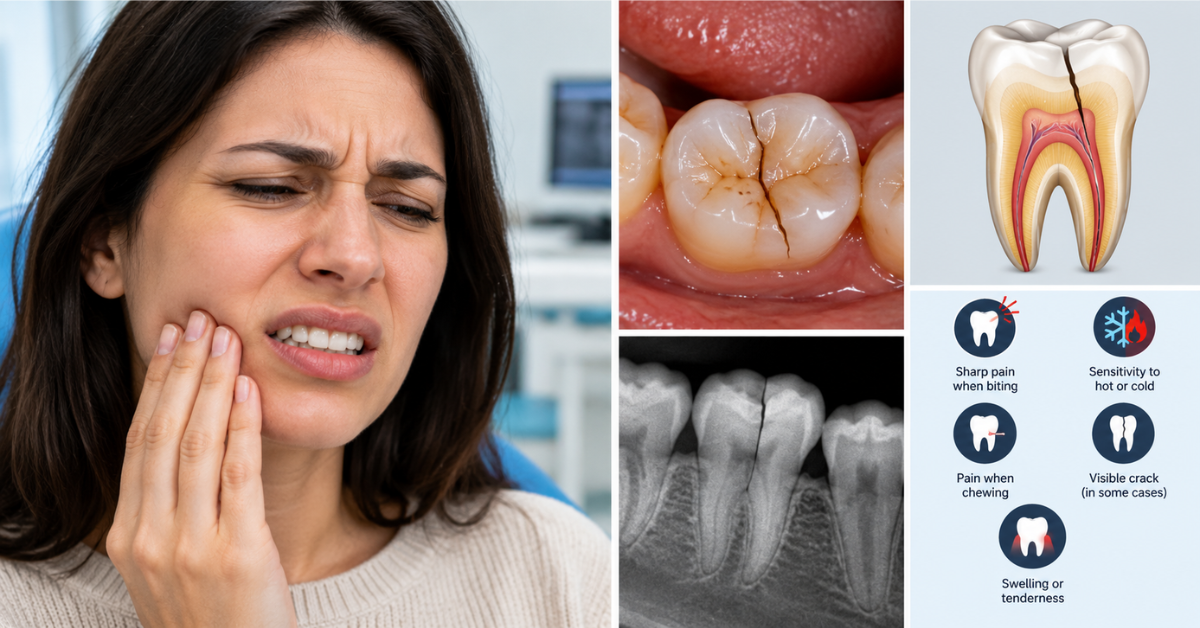
It’s smart to check your child’s mouth for these early warning signs on a regular basis.
Even if no visible signs of a cavity are apparent, it is still important to schedule regular dental visits because small cavities may not be apparent.
How to Prevent Cavities
The good oral hygiene habits that lead to strong, healthy teeth begin at birth. Follow the age-appropriate brushing and flossing habits that have been recommended by your dentist, and visit your pediatric dentist twice a year. Diets high in sugar and carbs promote tooth decay, so be sure to offer healthy snacks. If your baby is using a bottle, be sure to stick to breast milk, formula, or plain water. After your child’s first birthday, it is recommended they switch to a cup. By following these tips, you can help prevent cavities or avoid them altogether.