Are you fighting with your toddler every time you try to brush their teeth? Tooth brushing is a critical habit to impart to your child, as their teeth are vulnerable to cavities from the moment they erupt. But if your child fights against brushing their teeth, what’s a concerned parent supposed to do?
Why Does My Child Hate Brushing Their Teeth?
If your child hates brushing their teeth, try to put yourself in their position. Like many other rebellious acts at this age (fighting over what to eat, what to wear, when to sleep, what show to watch etc), your child’s resistance to brushing their teeth may arise from a need for autonomy. What may seem like a blatant act of defiance is really their poorly executed attempt at independence.
For children under the age of three it is normal to have an aversion to brushing their teeth. Older children may have more reactions to the brush or toothpaste against their sensitive gums. So it may not be that they’re refusing not because of their need for autonomy, it may be that for them, brushing their teeth is uncomfortable because of the taste of the toothpaste or brushing too hard.
What Do You Do When Your Child Refuses to Brush Their Teeth?
Lead by demonstration. You may feel as though your child doesn’t always listen to what you have to say, but they are watching and taking note of what you do. When it comes to teeth brushing, make it a fun experience for you both. You can talk about each section of teeth in your mouth as you brush, showing them what it looks like and how to brush them successfully. Comment on how good your teeth feel after and smile at them.
Let’s face it, music makes every situation better. Allow your child to choose a song to play while brushing their teeth. This not only gives them something to look forward to, but it may also serve as a distraction from the actual action. Furthermore, if autonomy is truly what they’re searching for, this small act allows them to have that. They may not be able to choose if they brush their teeth or not, but they can decide how.
Take a trip to the library, or bookstore, and find some age-appropriate books that deal with dental hygiene. Stories and narratives help children better understand and apply new concepts, and overcome any anxieties they may have. If they can read it, have them read it to you. If you can find a book with great illustrations of characters demonstrating, that is even better. When it becomes teeth brushing time, reference the character in the book and how it’s important to them.
Kids love getting rewards, so take this approach when it comes time to teeth brushing. Create an incentive for them they will receive after properly brushing their teeth. You can even create a chart for this, adding stars (or whatever sticker) to it. When they reach a certain amount, perhaps they get an even bigger award, like a toy they’ve been wanting, or a trip to the movies. But it’s crucial that you as a parent uphold the rules. If teeth brushing is not accomplished correctly, there is no reward.
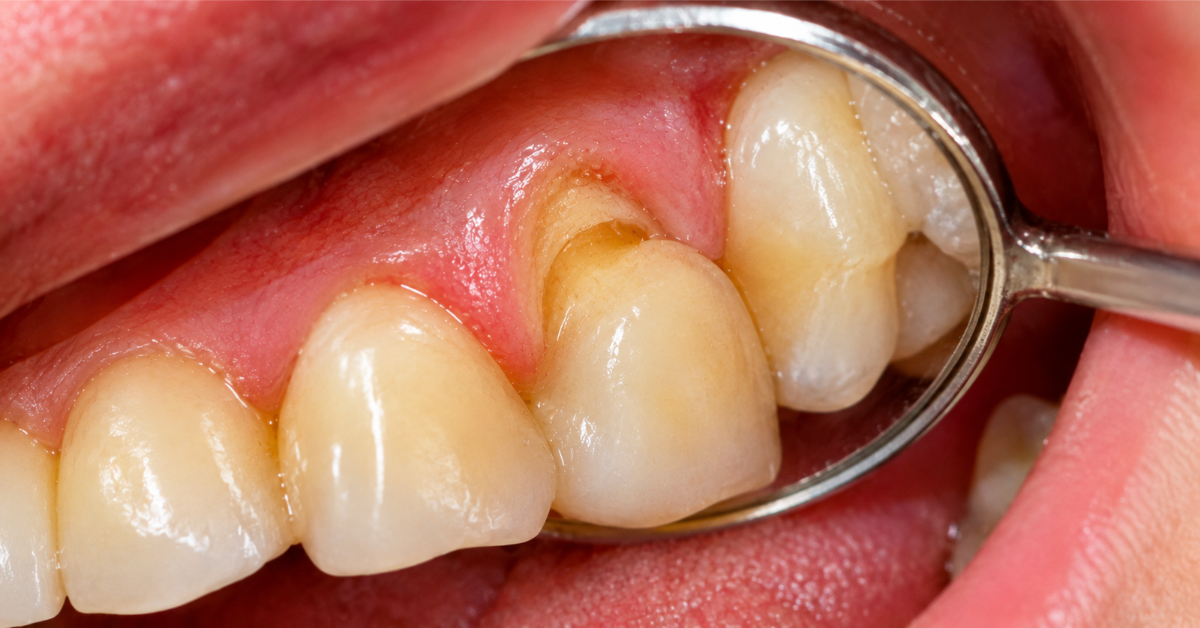
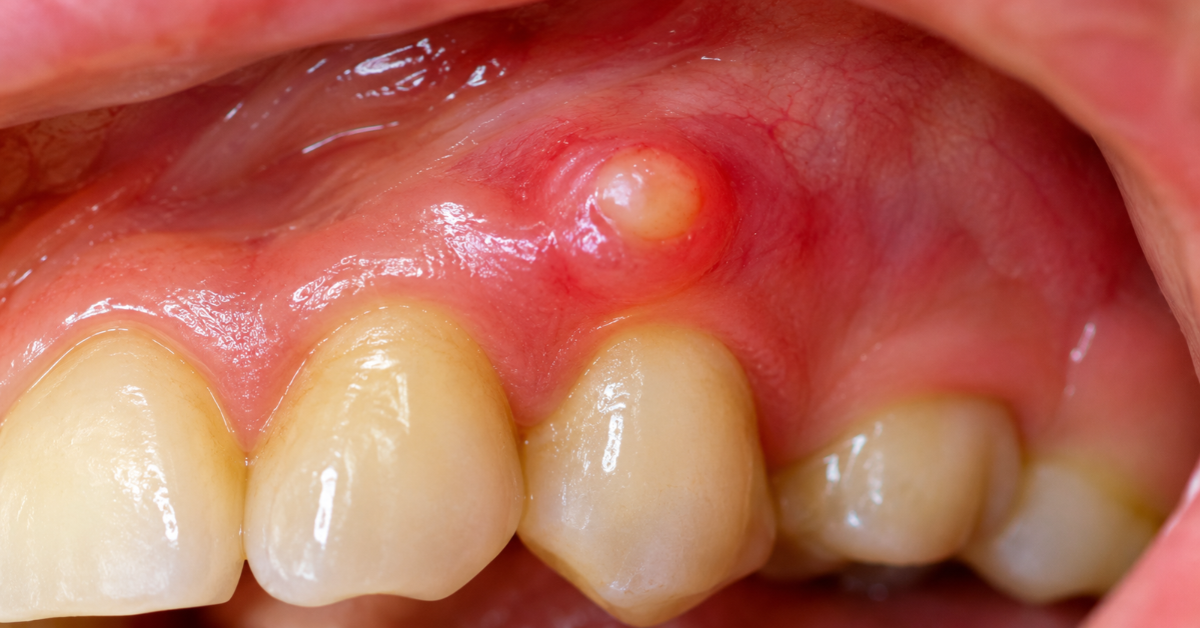
Children are unlikely to understand the potential side effects of not brushing their teeth. A cavity, root canals, and rotten teeth may be too abstract for them to wrap their heads around. In this case you might want to resort to visuals that show what you mean. Although this isn’t appropriate for all children, some can greatly benefit from it. Of course, if you feel this will be too much if your child is sensitive, then make a decision based on your own discretion.
Getting your child to brush their teeth can seem like the most daunting task in the world. But it’s not like there is much choice in the matter. Developing healthy oral hygiene habits at a young age is crucial in the development and long term health of your child. This being said, it can be a chance for you to dive into your unique and fun parenting hacks. Provide a chance for giggles, playfulness, music, and learning, and your child can develop strong oral hygiene habits.