Sign Of Gingivitis
Good oral hygiene and regular visits to your dentist can help you prevent a wide range of dental health complications, including those that affect the gums. One of the most common forms of gum disease in the US is gingivitis, a condition characterized by irritation, redness, and swelling of the gum immediately surrounding the base of your teeth.
Gingivitis typically entails mild symptoms at first, typically including sensitive gums, bleeding while brushing, and oral discomfort. However, the condition can worsen rapidly if left unchecked. It’s also possible for gingivitis to eventually cause periodontitis and tooth loss.
Early Warning Signs of Gingivitis
If you are concerned that you may have gingivitis or are at risk of developing this condition, be alert for the early signs and symptoms, which often include:
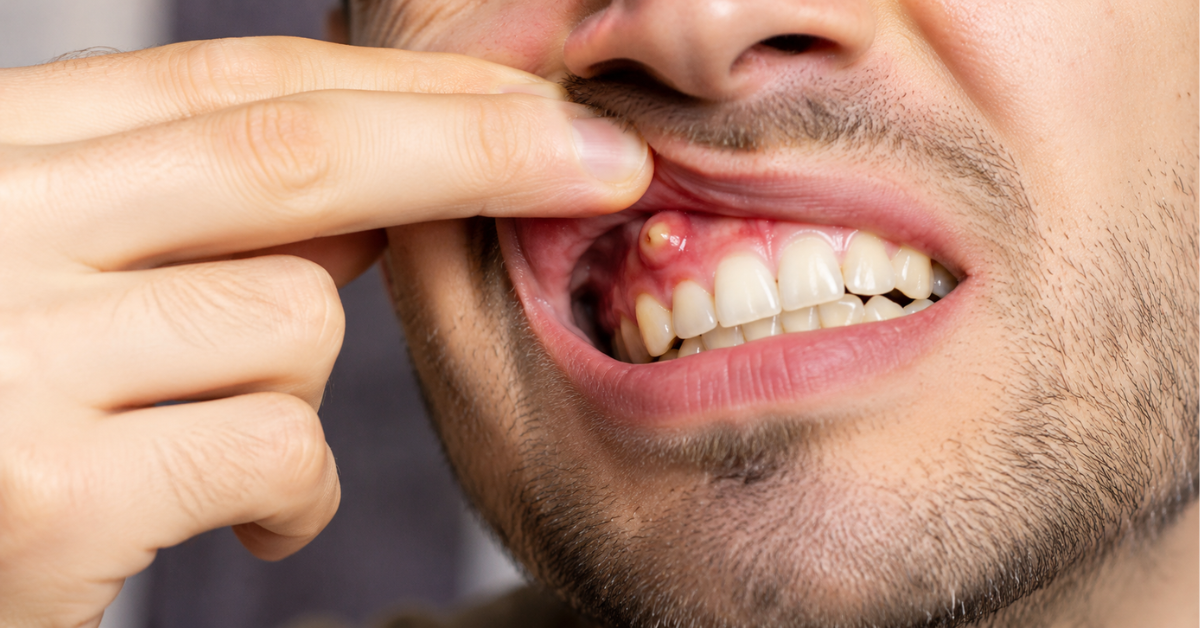
- Swollen and puffy gums.
- Dark red or purplish discoloration of the gums.
- Receding gum line, which exposes more of the tooth and makes it appear longer than normal.
- Bad breath.
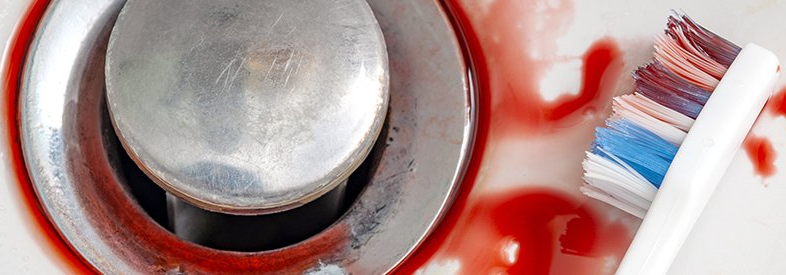
- Gums that bleed easily when you brush and/or floss.
When you notice any of these symptoms, you must see a dentist as soon as possible to prevent the potential complications that follow periodontitis.
Risk Factors for Gingivitis
Anyone can develop gingivitis as a result of poor oral hygiene, but some people are more vulnerable than others. Some of the risk factors that may increase the chances of developing gingivitis include old age, smoking and smokeless tobacco use, dry mouth, vitamin C deficiency, hormonal changes, and infection.
People who take certain medications may also experience heightened vulnerability to gingivitis as a side effect of these medications. A few examples include phenytoin, which typically treats epilepsy and seizure disorders, and calcium channel blockers often used to stabilize cardiovascular conditions like angina and high blood pressure. Some people also have a genetic predisposition toward developing gingivitis.
Finding Treatment for Gingivitis
If you suspect that you have developed gingivitis, do not wait to seek treatment. Gingivitis can progress rapidly, and your symptoms will worsen. Waiting will also increase the risk of gingivitis advancing to periodontitis, resulting in tooth loss. Your dentist may recommend improving your regular oral hygiene routine to reduce your symptoms if you have mild gingivitis, but more advanced cases will require extensive cleaning and dental restoration.
When you develop symptoms of gingivitis, be proactive. Seek treatment from your dentist as soon as possible. If your usual dentist is unavailable for an appointment in the immediate future, 24/7 local dentist can help you find a local dentist who can provide 24/7 local dentist care as soon as you need it. Call us 24/7 at (833) 220-2448 or contact us online to get started so you can experience relief from gingivitis and prevent the condition from worsening.