Dental implants are a common procedure designed to improve the functionality of your teeth with artificial replacements. While they are similar to dentures or dental bridges, dental implants provide more comfortable and secure options for those who may not have enough remaining roots for damaged or lost teeth. All surgeries involve varying periods of discomfort during the recovery process, but improvements in oral surgeries like dental implants have greatly reduced the amount of pain and discomfort patients may experience. To help you prepare for the recovery process after receiving an implant, let’s take a closer look at why it may be the best restoration option, what to expect during the procedure and a general recovery timeline.
Why Dental Implants Are Performed
Dental implant procedures are performed in order to improve oral functionality as a result of tooth loss, damage, or decay. Titanium implants are inserted into the jawbone to replace and function as roots to the removed teeth. While dentures and bridges have the potential to cause bone damage, slip or make noise, implants stay secure and will not decay over time. Dental implants look and function just like natural, healthy teeth.
Candidates for dental implants should meet all or most of the following criteria:
- Have one or more teeth
- Have a fully developed jawbone
- Have healthy tissues within the mouth
- Have enough bone mass to secure implants or are able to receive a bone graft
- Be unable to wear dentures
- Do not have health conditions that could interfere with bone healing
- Are prepared to undergo several months of dental implant procedures and care
- Do not smoke or use tobacco products
What to Expect
Unlike many quick dental procedures, getting dental implants is a process that will take several months. This is why it’s especially important to be fully prepared and know what to expect during the recovery period. The good news is that the implant procedure itself should cause no pain, but the recovery process may involve some discomfort. Ask the Dentist lists and describes the six main steps of the dental implant journey.
- X-rays —
Your dentist will take a set of x-rays for evaluative and prognostic purposes. X-rays, panoramic X-rays or a 3D CT scan will be used to determine bone and gum condition.
- Impressions
— The next step will be for your dentist to make an impression of the inside of your mouth to be used for a replica model for further assessing treatment. Impressions are made by biting down on a U-shaped plastic or metal impression tray filled with soft liquid, which will then form into a rubber mold.
- Extractions
— Before an implant can be performed, tooth extraction may be necessary if the problem tooth is still in place. Generally, extraction can be performed during the same procedure as a dental implant. You may feel a small amount of pressure or tugging during the extraction, but the anesthetic administered by your dentist will prevent pain.
- Implants
— Finally, the implant procedure will begin. Once again, the anesthetic will prevent any pain during the procedure, although you may feel some slight pressure. Your dentist will first drill a hole in your jawbone and then place the implant deep within to act as solid root for the artificial tooth. Bone grafts (of either natural or synthetic material) may be necessary to ensure the jawbone is strong enough to secure the implant. After the implant comes a waiting period while your jawbone grows and attaches to the dental implant (known as osseointegration). This can take from several weeks to several months. In the meantime, a partial, temporary denture may be placed in the open space.
- Abutments
— An abutment is a piece where the dental crown will be attached to the implant. Abutment placement will generally require a separate procedure once the jawbone as grown enough around the implant. While they can also be placed during the implant procedure, you may prefer to wait until the crown can be placed so that the abutment will not be visible while you wait for your bone to grow.
- Dental Crowns — The last step of a dental implant process is to receive your new permanent crown. More impressions may be made of your mouth to help mold a natural-looking tooth. Depending on your individual situation, you may be able to choose between removable crowns, fixed crowns or a combination of the two.
Of course, the best way to prepare for receiving dental implants is to discuss the process in detail with your dentist and his/her staff. It’s important to take notes, ask questions, request written informational material from your dentist’s office and talk to a previous dental implant patient from the same dentist, if possible.
Recovery Timeline
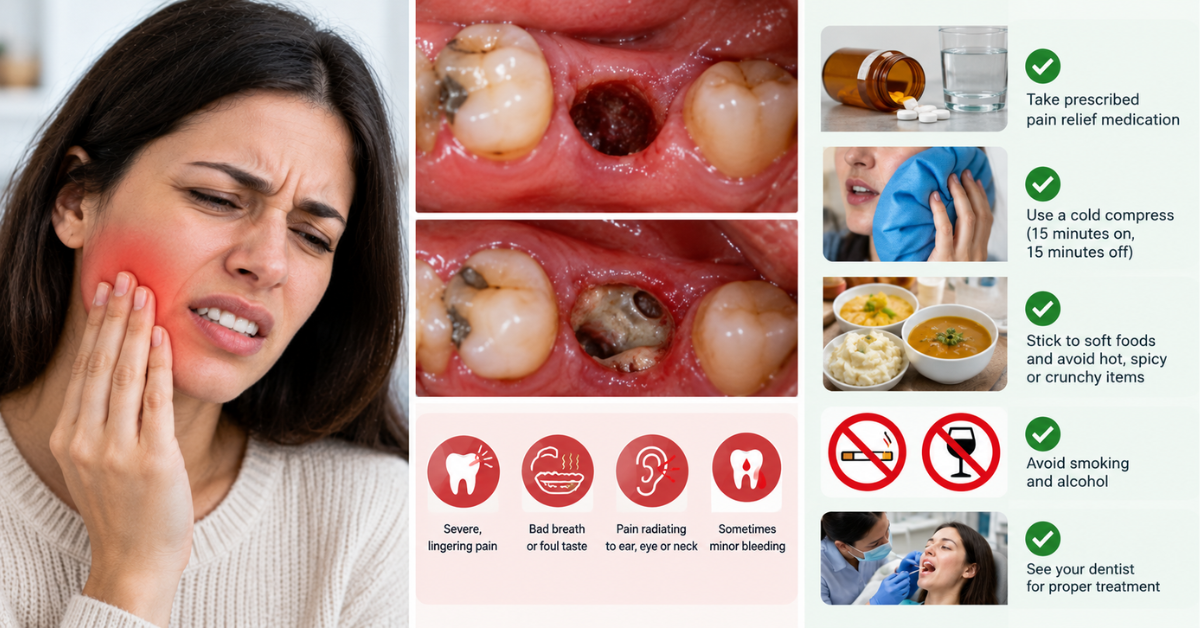
Recovering from dental implant procedures will be different for every patient. More implants will typically mean a longer recovery and increased post-procedure discomfort. There is a likelihood of some pain initially after receiving implants once the anesthetic wears off, but your dentist will provide prescriptions for medications and other post-procedure instructions on how to best manage any pain or discomfort.
While every patient experiences recovery in his or her own unique time, a general timeline of recovery after dental implants will look like the following:
- For up to 10 days after the procedure, you can expect some pain and discomfort. Take pain medication only as prescribed and follow your dentist’s instructions for oral care post-surgery. Any swelling should recede within three to five days.
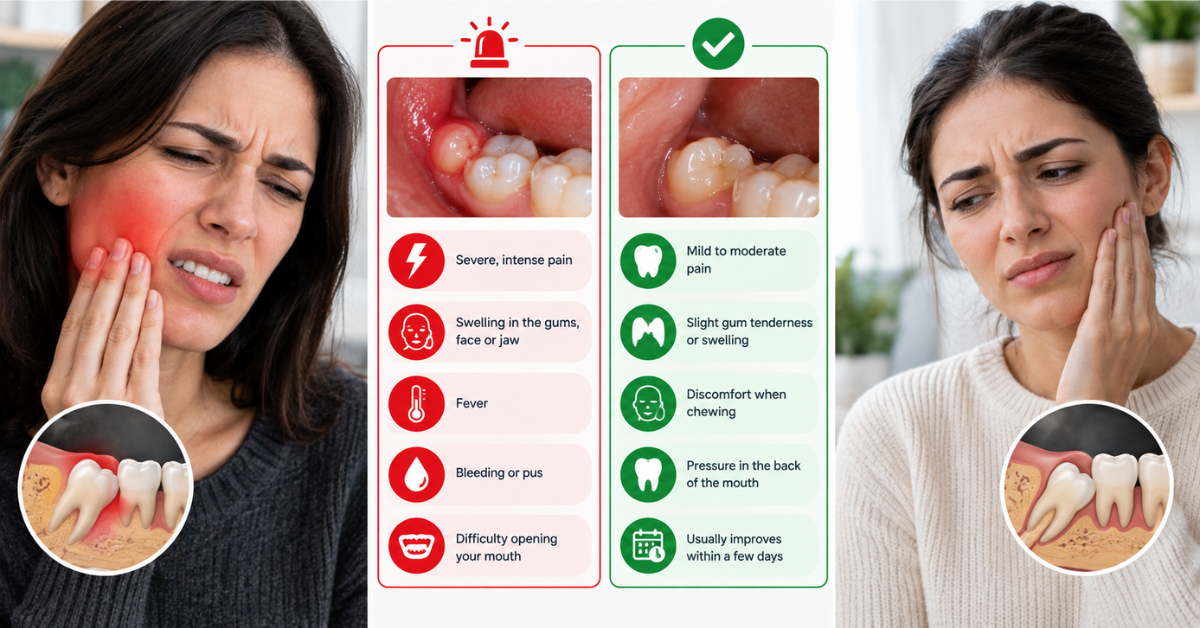
- After two weeks, you should contact your dentist immediately if you are still experiencing pain. This could be a sign of an infection.
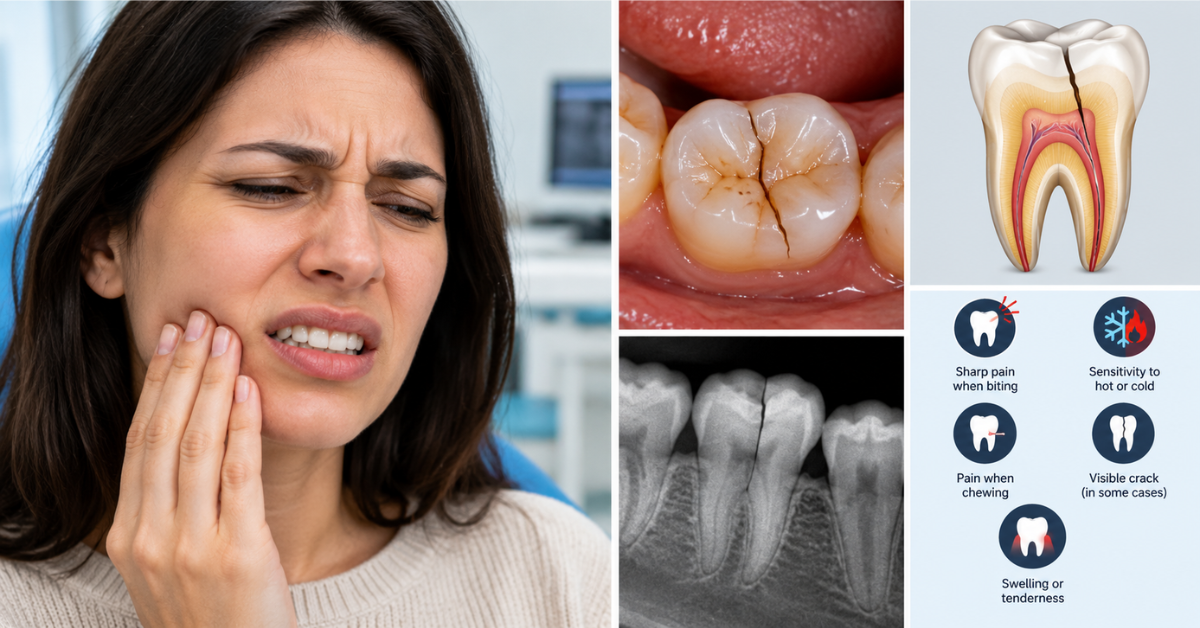
- Within three to four months, any pain from your dental implant may be caused by any number of factors including autoimmune disease, inadequate blood supply, medication side effects, poor overall health, infection, allergic reaction, a complication known as overloading, tissue or nerve damage, infection, or rejection of the implant. Do not wait to see if the pain goes away — contact your dentist as soon as possible if pain is still occurring months after receiving implants.
- Experiencing pain after a year from the implant procedure could be caused by smoking, poor oral hygiene, infection, lack of gum tissue or bone in the jaw, bruxism (teeth grinding or clenching), or radiation treatment to the head or neck.
The best way to minimize pain immediately following your procedure is to take medication as prescribed, closely follow any instructions from your dentist, use ice or a cooling pad to reduce swelling, rinse your mouth with warm salt water, consumer primarily cold and soft foods, and — most importantly — maintain good oral hygiene.
Any pain lasting longer than up to 10 days after dental implant surgery is cause for serious concern. Contact your dentist immediately if pain persists.
Chicago Dental Implants
Dental implants are an ideal treatment that helps improve your appearance, your ability to eat and enjoy a wide variety of food, and your overall confidence. Look no further than 24/7 Local Dentist for safe and reliable dental implant services in Chicago. Our founder and owner, Dr. Nilofer Khan and our partner periodontist, Dr. Waeil Elmisalati , both provide the highest-quality dental, orthodontic and periodontic care, backed by many years of education, certifications, and ongoing training. Learn more about our other dental services , including oral surgery and periodontics treatment. Then, contact us to schedule an appointment.