Frequency Of X-Rays
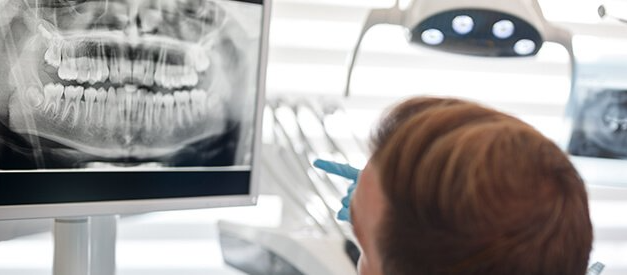
Dental X-Rays have become a common adjunct to a routine dental exam and are a standard of care practice, helping detect early signs of tooth decay, monitor jaw and tooth formation for adolescents and observe overall oral health not visible to the naked eye.
Why Do Dentists Push X-rays?
While dental X-rays normally occur yearly, there can be other factors that affect the frequency of X-rays. These include:
- Age
- If your dentist is monitoring a specific issue
- Your current dental health
- History/symptoms of oral disease
- A history of gum disease (gingivitis), bone disease (periodontitis), or tooth decay
For quite some time, there have been debates around the safety and risks regarding dental X-rays. As technology continues to develop and become more sophisticated, exposure to radiation is lowered significantly. Today, the risk is almost nonexistent due to minor radiation exposure and the implementation of digital X-rays, effective in cutting down radiation exposure by nearly half. To assist in reducing risk, dentists still use a lead covering with a thyroid collar to protect the thyroid.
For adults, dental X-rays are used to look for areas of decay that the dentist would not be able to see with the naked eye, such as areas between the teeth or underneath a filling.
X-rays allow dentists to exercise preventative action, alerting to things like bone loss from periodontal disease, show problems in the root of a tooth such as infection or death of the nerve and look for other problems like cysts, cancer or changes caused by diseases of the body.
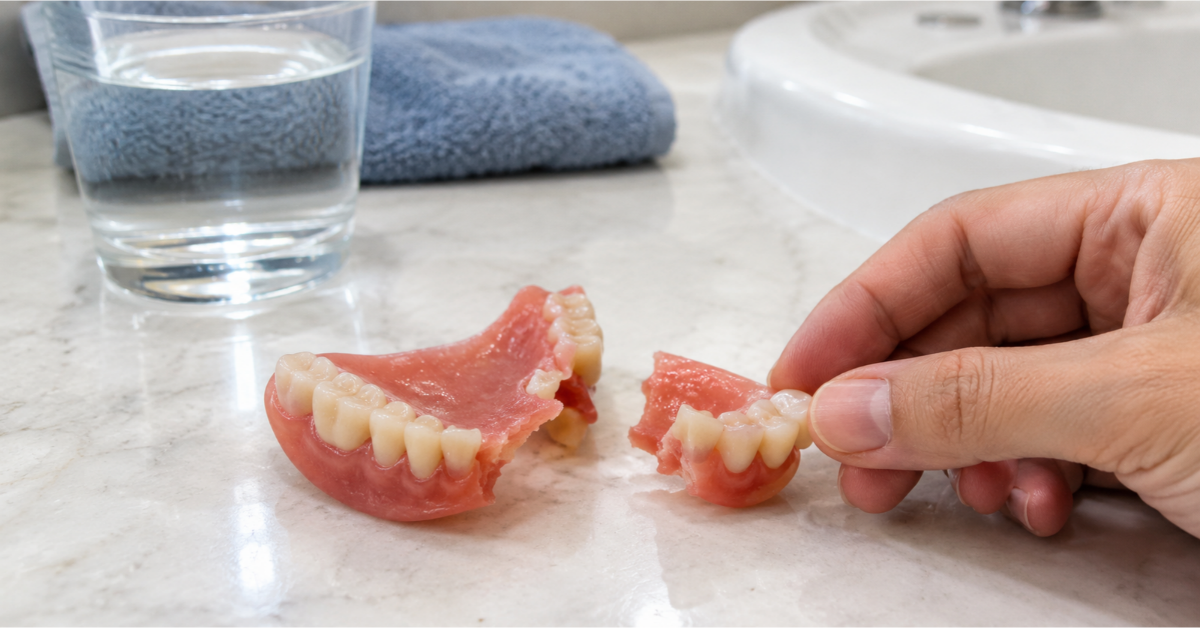
Dental X-rays can also assist in helping your dentist plan, prepare and place tooth implants, braces, dentures or other dental work.
For these reasons, it is incredibly important that patients receive dental X-rays as needed to assess for various oral health concerns, and at minimum have a series of X-rays completed annually.
Types of Dental X-rays
There are several types of dental X-rays, which record slightly different views of your mouth. The most common are intraoral X-rays such as:
- Bitewing X-rays provide a vantage point of molars, premolars, and a portion of your canines. This technique includes biting on a special piece of paper or plastic that allows your dentist to assess the overall health of your teeth, determine if you have cavities, and measure the level of your bone.
- Occlusal X-rays capture all your teeth in one photograph and are done when your mouth is closed to view how your upper and lower teeth line up. This X-ray also can be used to detect any abnormalities in the palate.
- Panoramic X-rays are taken with a machine that rotates around your head, taking a full image of your jaw, the roots of teeth and their placement. This X-ray is often used by an orthodontist or oral surgeon looking to assess plans for corrective and cosmetic dental services and/or wisdom teeth prior to extraction. The image can also detect any abnormalities or pathology that may be present in the jaw or sinuses.
- Periapical X-rays focus on two teeth from root to crown.