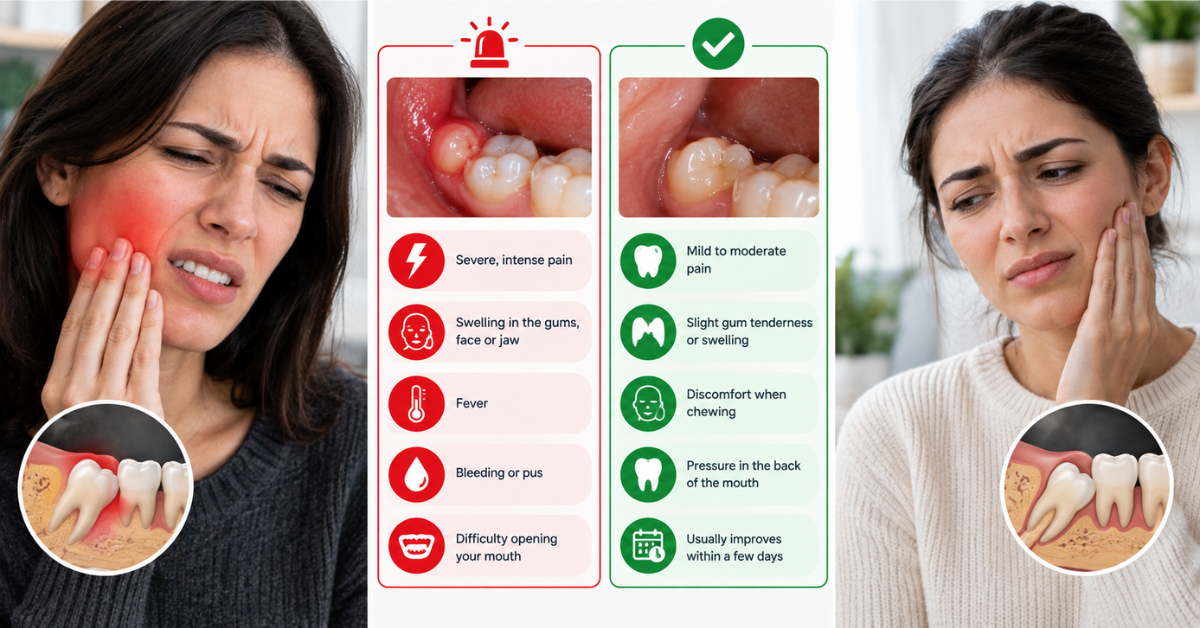
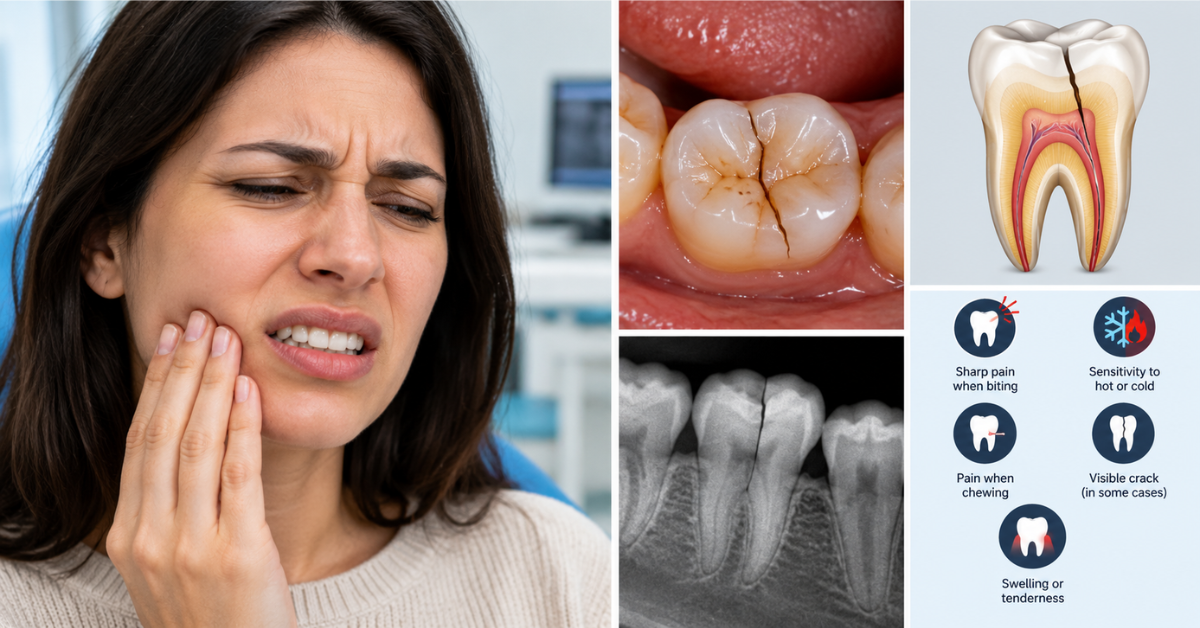
Worrying Sensations

Dental procedures make many people feel uneasy. They worry not just about the procedure itself, but the potential for side effects. While most people recover without issue from their dental procedures, occasionally worrying sensations linger. Discover more about numb tongue and other problems some patients face after dental procedures.
Numb Tongue
Your tongue will usually feel numb after a dental procedure while the anaesthetic wears off. The typical unaesthetic causes numbness around the mouth for approximately four hours. The effects of strong unaesthetic used for more invasive procedures, including wisdom teeth extraction, last between eight and nine hours.
Losing sensation in your tongue after the anaesthetic wears off is incredibly rare. However, it can occur after some procedures. For example, your tongue might go numb after we extract a wisdom tooth, as these teeth sit very close to the nerve that runs to the tongue. The extraction process can traumatise the nerve, causing a lingering numb sensation.
Numbness may also persist if the anaesthetic needle touches or penetrates the nerve that connects the tongue to the mouth. The anaesthetic solution can also inflame the mouth’s nerves, causing lingering numbness in the tongue. Again, this kind of numbness after a dental procedure is very rare.
In the unlikely event your tongue loses sensation for an extended period after a dental procedure, it’ll probably return within two weeks of treatment after your nerves regenerate. By six months after treatment, full sensation is restored in between 95-99% of cases. Patients rarely experience permanent numbness in their tongue after a dental procedure.
Permanent tongue numbness only occurs when something severs the nerve. This is unlikely to happen, as the nerve to the tongue is very large. Modern CT scanners create three-dimensional pictures which help dentists see how close to wisdom tooth is to the nerve so they can plan the best course of attack and avoid nerve damage. If there is a very high risk of nerve damage, which may occur if the nerve wraps around the wisdom tooth, for example, we inform our patients of this. They can then make informed decisions about whether they want to leave their wisdom tooth or accept the risks and forge ahead with the extraction.
Call your dentist if your tongue feels numb the day after a dental procedure. We’ll typically arrange a follow-up appointment where we’ll perform a procedure called mapping. During this simple procedure, you’ll close your eyes and wait for us to touch different parts of your tongue. You’ll tell us what you can feel and what you can’t so we get a better idea of the numbness you’re experiencing.
Anti-inflammatory medications can reduce swelling in the mouth which can improve sensations for affected patients. However, medications can’t speed up the regeneration of the nerve endings. The problem usually resolves itself in due time without treatment.
Burning and Tingling Sensations
Occasionally, patients say they feel burning or tingling sensations in their mouth after dental procedures. These may be symptoms of nerve damage or irritation. They can also be symptoms of the mouth and its nerves healing itself after receiving dental treatment. Usually, your mouth will feel normal again within two weeks. As with numb tongue, anti-inflammatory medications may provide some relief....