Dental Bonding

Dental bonding, also commonly referred to as “filling,” is a procedure meant to protect the teeth and restore a patient’s smile. The process itself is simple yet effective, especially for people who have developed cavities and tooth decay in noticeable parts of their mouths. If you have developed a cavity that you would like to be less noticeable, dental bonding likely offers the best possible results. It’s good to know your options for dental bonding, what the process entails, and what to expect after a dental bonding procedure.
How Does Dental Bonding Work?
Most types of dental bonding require the use of specialized composite resins that mimic the texture and appearance of natural tooth enamel. A dentist applies this resin as needed in the patient’s teeth, to fill cavities, close gaps between teeth, improve the shape of the teeth for a more consistent bite, or cover up discoloration of the teeth. Once applied, the resin is rapidly hardened using an ultraviolet light or laser instrument.
Dental bonding typically requires minimal preparation. The patient will only need anesthesia if they are having bonding completed for tooth decay and the tooth requires drilling. The process begins by the dentist roughing the surface of the tooth to be bonded and applying a conditioning substance that allows the composite resin to bond with the tooth. Composite resin chosen to match the color of the patient’s teeth is then applied over the conditioning liquid and shaped as necessary. Using a UV light instrument, the dentist rapidly hardens the resin into a permanent bond.
Why Choose Bonding?
There are many methods for restoring a smile, from dental bonding to veneer fitting and crown placement. Bonding is the easiest, fastest, and most affordable way to fix a cosmetically damaged tooth. Dental bonds are very durable, but they are not as resistant to stains as veneers and crowns. However, they may eventually chip and break off the tooth over time.
With good daily oral hygiene and care with biting, dental bonds can last a very long time. A tooth bond will last anywhere from three to ten years, depending on your eating habits and hygiene consistency.
Alternatives to Dental Bonding
If you are interested in cosmetic dental work but are not convinced of the advantages of dental bonding, your alternatives for covering stained or damaged teeth include veneers and crown placement. Both of these procedures are more involved than dental bonding but generally offer longer-lasting results.
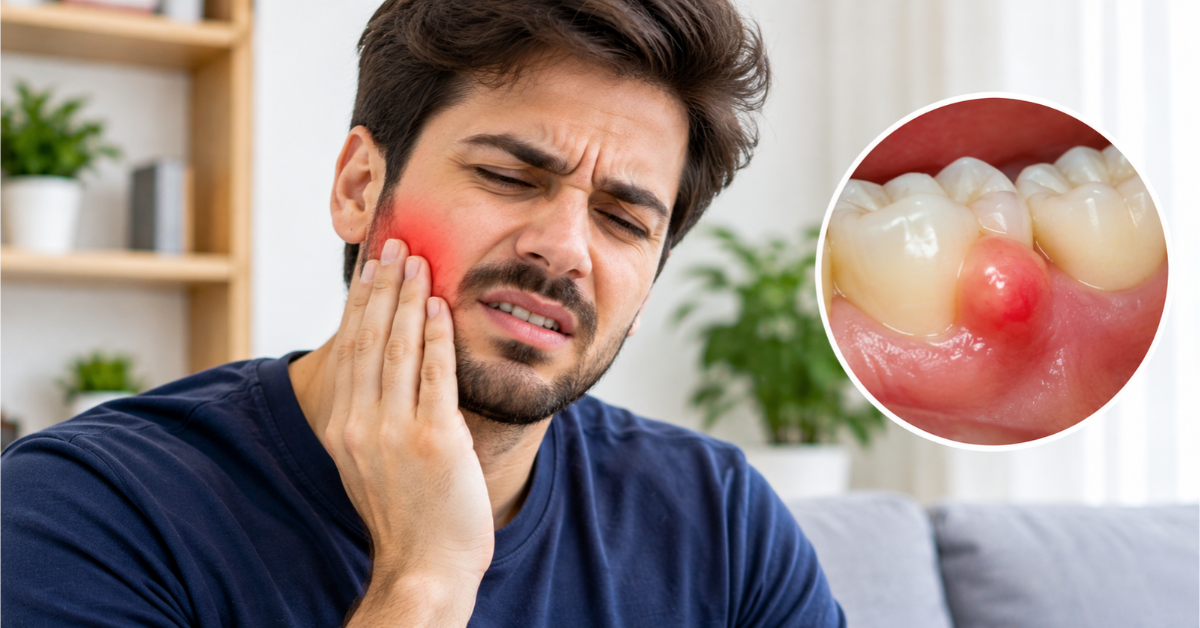
It’s also possible to need dental bonding for a painful cavity. If you need emergency dental bonding to treat a cavity, 24/7 local dentist can connect you to a local emergency dental office in your area when your regular dentist is unavailable. Contact us online or call (833) 220-2448 to schedule your emergency treatment today.