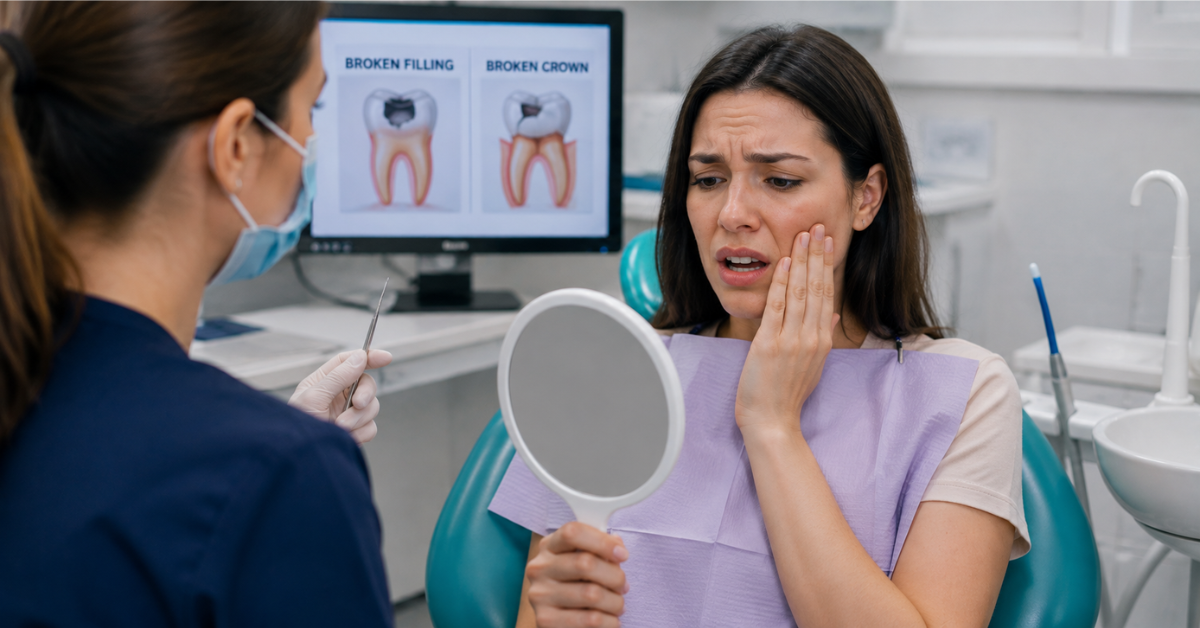
While some dental and oral conditions can be prevented by maintaining good oral hygiene, others have a fate determined only by genetics. This is the case for our wisdom teeth and how they grow — or don’t grow — in our mouths as we age. It’s likely you know many people who have had their wisdom teeth removed, and it’s even more likely that each one has his or her own unique story to tell about the removal and recovery process.
No matter what you may have heard from others about their experiences, it’s important to know that wisdom teeth removal surgery is a safe procedure thanks to advances in dentistry. Even more important to know is that wisdom teeth extractions should take place as soon as your wisdom teeth are determined to be causing discomfort or are shown via X-rays to not be erupting properly. Not everyone will need their wisdom teeth removed, but those who do will need removal sooner rather than later to prevent further discomfort and oral damage.
We’re here to walk through the steps of when you might need your wisdom teeth extracted, why it’s important to have them removed sooner rather than later, and how to ease any anxiety you may have about the process.
The Impact of Impacted Wisdom Teeth
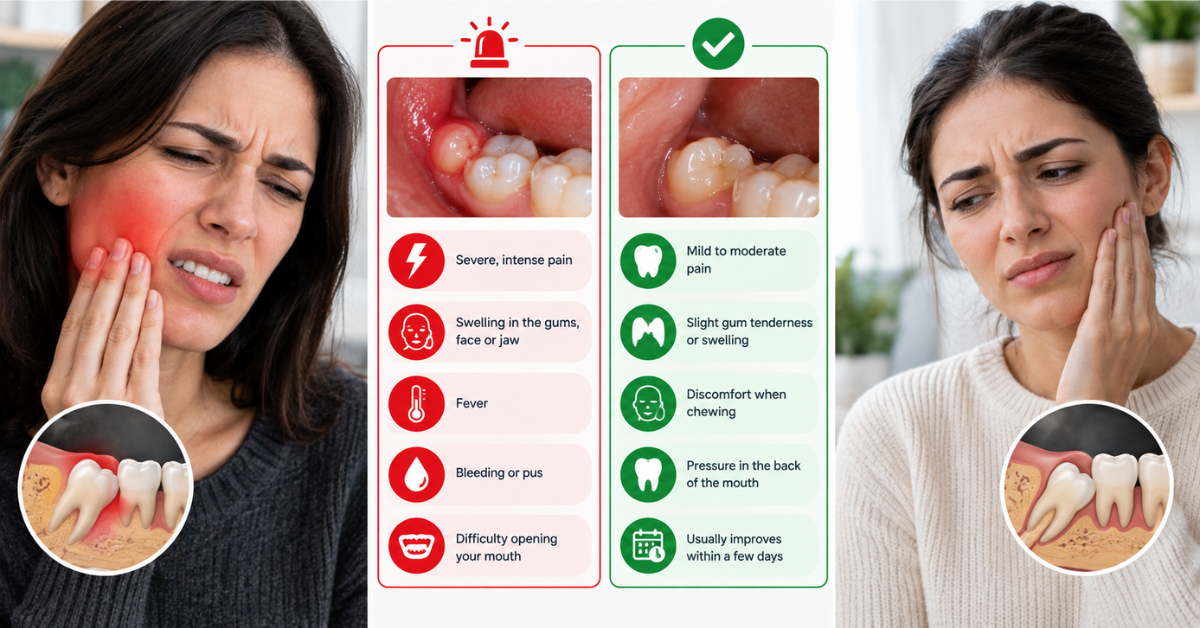
As we covered in our blog post — “ Is It Really Necessary to Remove Wisdom Teeth? ” — some common signs indicating your wisdom teeth might need to be removed include pain in the lower or upper jaw; constant pressure in the back of the mouth; and gums near your wisdom teeth that are swollen, sensitive or inflamed. However, pain or discomfort is not always experienced, even when a wisdom tooth is impacted .
Impacted wisdom teeth are those that are not growing in an upright and functional position. They are generally either completely or partially buried in the soft tissue or jaw bone. Because of their position that limits their ability to grow in properly, impacted wisdom teeth pose many potential concerns for your oral health. Your dentist will take a series of X-rays to see the exact position your wisdom teeth are in, determining whether or not they are impacted.
Even if any of your impacted wisdom teeth erupt — meaning they begin to grow through the gum tissue — they will be difficult to keep clean due to their position. This can lead to tooth decay, gum disease, cysts or tumors. Impacted wisdom teeth are also much more likely to push against other teeth, thereby causing damage or pain to your jaw and other teeth, interference with other dental treatments — including orthodontic treatments like braces — and the prevention of other teeth from developing properly.
Remove Them Sooner, Not Later
So, what can happen if you delay having your wisdom teeth removed if they are impacted or if they are likely to interfere with other dental treatment?
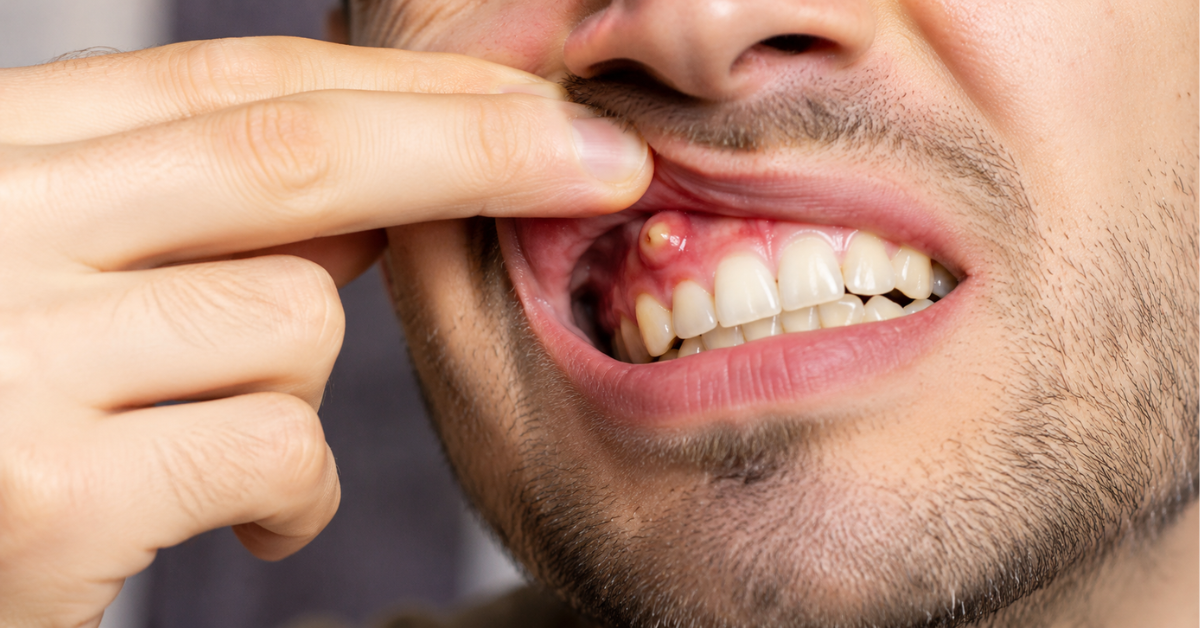
Previously mentioned outcomes of prolonged extraction delay can include pain, discomfort, inflammation, infection, damage to other teeth, tooth decay, tooth cysts or even tumors. The odds of developing any of these complications due to non-extracted wisdom teeth only increase as time goes on.
Even for adults, wisdom teeth can cause problems later in life if they are not removed as teens or young adults. Having your wisdom teeth removed is much easier the younger you are. This is because as you age, the roots of your wisdom teeth will grow deeper, while the bones in your mouth will continue getting harder. Both of these factors make wisdom teeth surgery more complicated and the recovery process longer.
The bottom line: It’s possible your wisdom teeth may not be causing you any immediate problems, but if they are impacted or in a likely position to cause complications later in life, then your wisdom teeth should be removed as soon as possible under your dentist’s and/or orthodontist’s recommendations.
Anxious About Removal? How to Prepare and Stay Calm
No one is ever particularly excited about tooth extractions, but anxiety about wisdom tooth removal is also common. Fortunately, there are three primary areas that can help you manage any anxiety you may have: understanding the extraction procedure, using relaxation techniques and properly following your aftercare instructions.
- Understanding the Extraction Procedure
— Talk with your dentist and/or oral surgeon about the wisdom tooth removal process both during your initial consultation and before starting the procedure. This is the time to ask any questions you may have and to learn step-by-step what will happen before, during and after your wisdom teeth are removed. Knowing these steps can minimize fear of the unknown and provide a sense of control over the situation.
- Using Relaxation Techniques
— As the day of the procedure approaches, be sure to engage in your favorite relaxation practices. Consider activities like writing in a journal, listening to your favorite calming music, taking a walk or meditating. Whichever relaxation techniques you prefer, these will help keep your mind focused and calm.
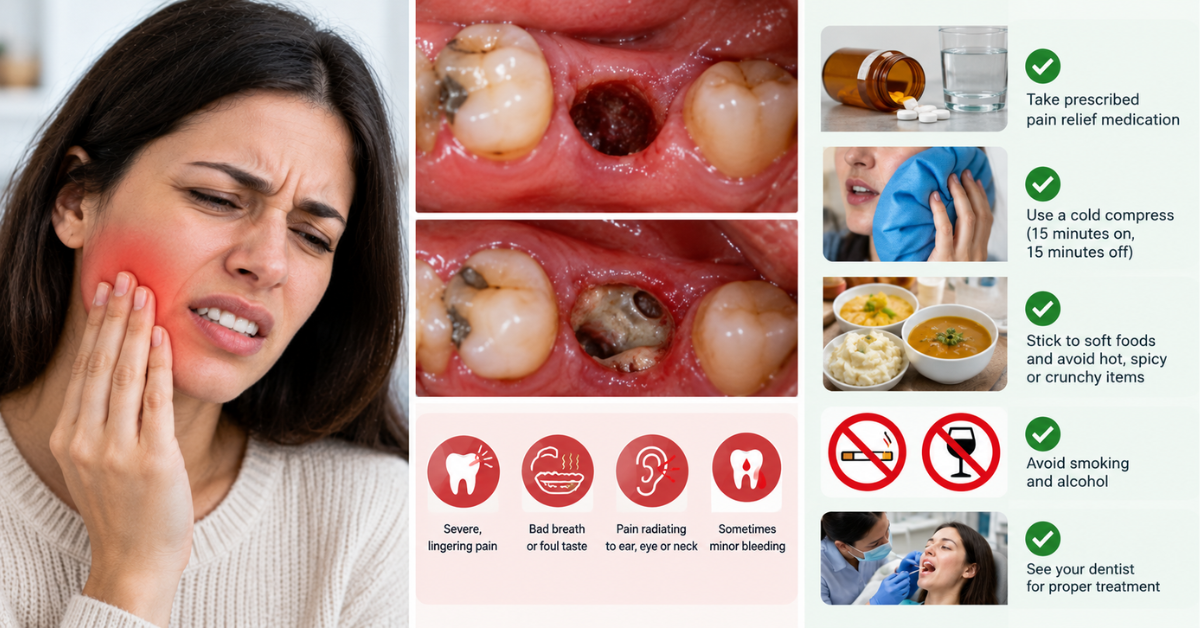
- Following Your Aftercare Instructions — The recovery process is just as important as the extraction procedure. If you are anxious about recovery complications such as dry sockets, you can take comfort in the detailed aftercare instructions provided by your dentist or orthodontist.
You can ask questions about aftercare when learning about the procedure prior to extraction. Questions to ask can include what are the detailed steps to take during recovery and what are the signs of recovery complications. You should also make sure you are provided with specific instructions for contacting your dentist or oral surgeon in case of any post-procedure complications. Feeling prepared for any scenario, no matter how rare, can help you remain calm when you have a plan of action to rely on.
Quality and Compassionate Dental Care
If your wisdom teeth are causing pain or discomfort and you are in need of wisdom teeth removal, 24/7 Local Dentist located in Chicago, IL has you covered for quality and compassionate dental care services, including wisdom teeth extractions . From initial X-rays , to the procedure, through the recovery process, our professional dental staff including Dr. Nilofer Khan and Dr. Waeil Elmisalati will be with you every step of the way.