If you dread having your teeth cleaned, you are not alone. Between the strange noises, prodding, occasional jaw discomfort, and the awkwardness of having someone else’s hands in your mouth — as dentists and patients ourselves, we understand where your apprehension is coming from. In this post, our goal is to educate and help you feel more comfortable with this essential dental service. Knowing exactly what to expect during teeth cleaning in California is one way to help ease your anxious mind and allow you to enjoy the clean and minty-fresh results.

A Close Look at What Happens During a Professional Teeth Cleaning
Here are the steps you should expect during a dental cleaning appointment.
1. Oral examination
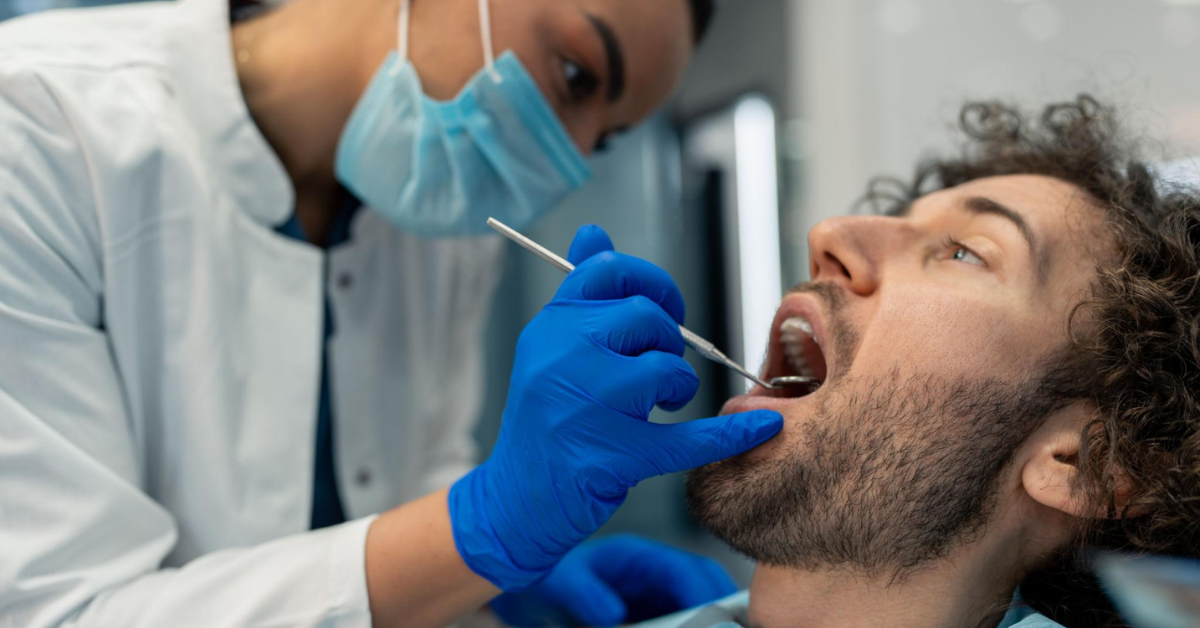
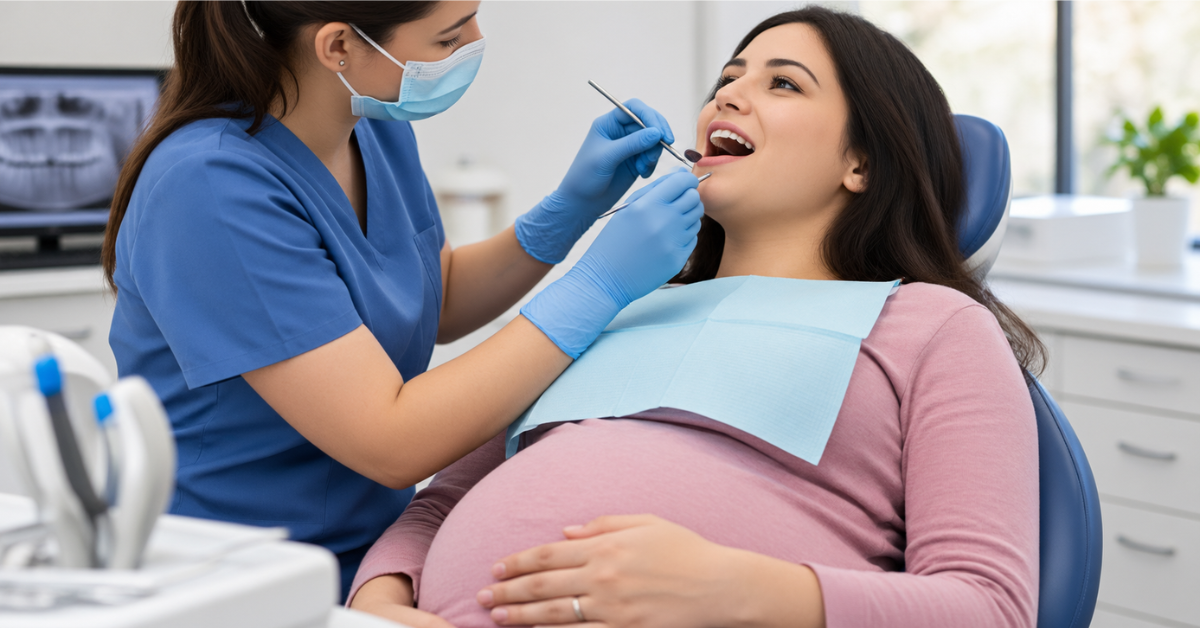
A dental hygienist is responsible for performing your teeth cleaning. Before the process begins, they will conduct a thorough physical exam of your mouth.
Using a small mirror, your dental hygienist will inspect your teeth, gums, and entire oral cavity for any signs of decay, inflammation, or other potential dental concerns. If they detect a significant problem — such as signs of gum disease or a failing dental implant — your hygienist will call the respective dental specialist to address the issue, if needed, and make sure that it is okay for you to proceed with the teeth cleaning.
2. Plaque and tartar removal
Your hygienist will use a dental scale and mirror to remove plaque and tartar around your gum line and in between your teeth. Hearing some scraping sounds is normal. The more tartar there is in your oral cavity, the more time a dental hygienist will need to scrape a particular spot.
Brushing and flossing regularly prevents plaque from building up and hardening into tartar. Once you develop tartar, only a dentist or dental hygienist in Irvine, CA can remove it. Therefore, if the scraping away of accumulated oral bacteria is what you dread most about dental cleanings, the lesson is to correct any oral hygiene mistakes and to have a good dental care routine.
3. Deep cleaning and polishing
Once your pearly whites are tartar-free, your dental hygienist will brush and polish them using a high-powered electric brush. Keep in mind that the device does make a grinding noise. Though it may sound scary, it deep cleans effectively by removing any tartar that the dental scaler might have missed.
Professional teeth cleanings use toothpaste that tastes and smells like the regular store-bought variety. Plus, your hygienist may allow you to choose between different flavors. However, it has a granular consistency that helps scrub and polish your teeth. This polishing of the teeth is safe to do several times a year, as long as a dentist is the one handling it.
4. Professional flossing
Even if you floss daily at home (which we highly recommend doing), professional flossing is in a league of its own. Your dental hygienist in Montclair, CA can reach the deep nooks and crannies of your teeth and find any trouble spots where you might feel pain or bleed at the gums.
5. Rinsing
One of the final steps in a professional dental cleaning is rinsing your mouth to remove any debris and residue. In this step, your hygienist will squirt water into your mouth or give you a rinse that contains liquid fluoride, which you will swish around your mouth. Once you are done, your dental hygienist will either ask you to spit out the liquid in a sink near the dentist’s chair, or they will use suction to remove the liquid from your mouth.
6. Fluoride treatment
Next in the teeth cleaning process is the application of a fluoride treatment. This treatment is optional, serving as a protectant to help prevent cavities for several months.
In this step, your dental hygienist will apply either a foamy gel or sticky paste over your teeth, leaving it on for a minute or so. Besides the foamy gel or sticky paste, fluoride varnish may also be carefully painted onto your teeth. Fluoride varnish hardens when in contact with saliva, therefore, you can eat and drink immediately after the treatment.
7. Final checkup with a dentist
After completing the steps above, a general dentist will come in to conduct one last checkup. If they do not detect any oral health problems, then you are all set.
Other Potential Teeth Cleaning Steps
Professional teeth cleanings are usually scheduled twice a year. Depending on what your dental care provider observes in your mouth, they might do other tests and treatments during your appointment. For children, a dentist may recommend molar sealants to lower the chances of cavity formation in hard-to-clean areas.
How Regular Teeth Cleaning Benefits Your General Health
Professional dental cleaning in California is not just for keeping your smile clean and bright. The process can have a significant effect on your overall health. Below are the reasons professional cleanings are so important to your general health.
- Professional teeth cleaning helps prevent gum disease, which is a leading cause of early tooth loss.
- In the United States alone, one person dies from oral cancer every hour. Many of these cancer cases are treatable if diagnosed at an early stage during a routine cleaning.
- There is strong evidence linking cardiovascular disease to gum disease. Since bi-annual teeth cleanings help prevent periodontal problems, they may also reduce the likelihood of potentially fatal heart attacks.
Going back to your local dentist for regular dental cleanings is the most effective way to preserve your brilliant smile and prevent dental problems altogether. Hopefully, by giving you an overview of what happens during teeth cleanings, you will feel less anxious and perhaps even look forward to your upcoming appointment.
Prevent and Resolve Dental Problems Today
To get the dental care you deserve from reputable dentists in Irvine and Montclair, CA, call today at (833) 220-2448 or schedule your appointment online. 24/7 Local Dentist Group is one of the best providers of general and cosmetic dentistry in California. Allow us to detect dental health issues before they have a chance to worsen.