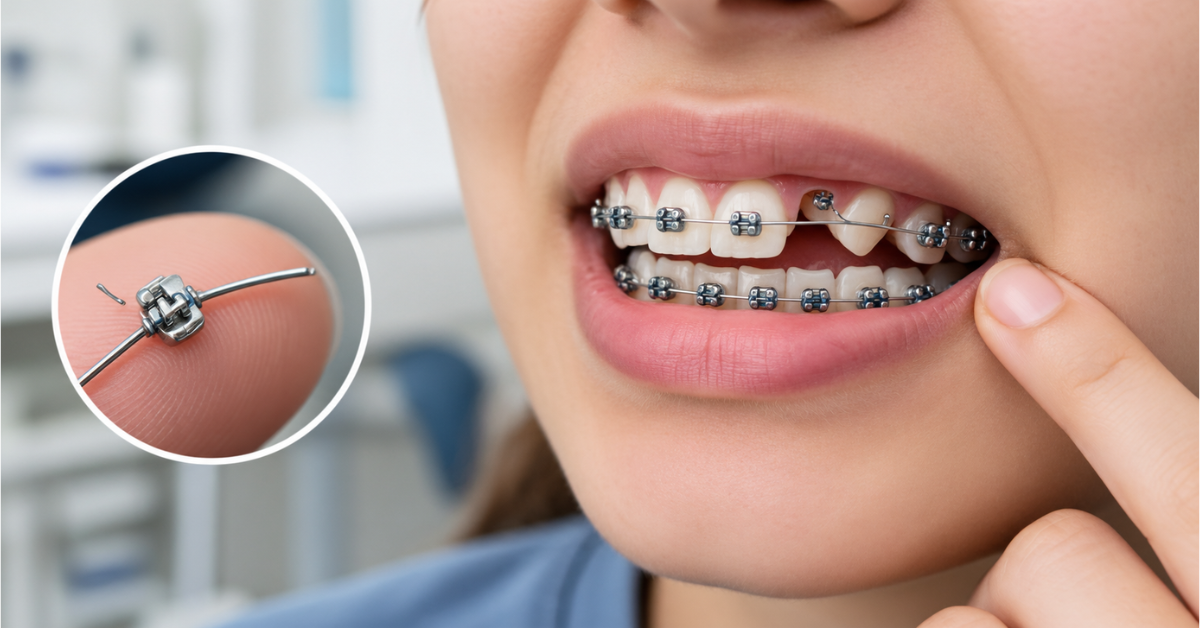
On a scale of one to ten, how happy are you with your smile? Is your answer a perfect ten? If not — perhaps due to crookedness, crowdedness, misalignment, and other dental problems — then you might need orthodontic treatment. However, for most adults, having traditional metal braces isn’t ideal. If you feel the same way, luckily, there’s a better way to straighten teeth.
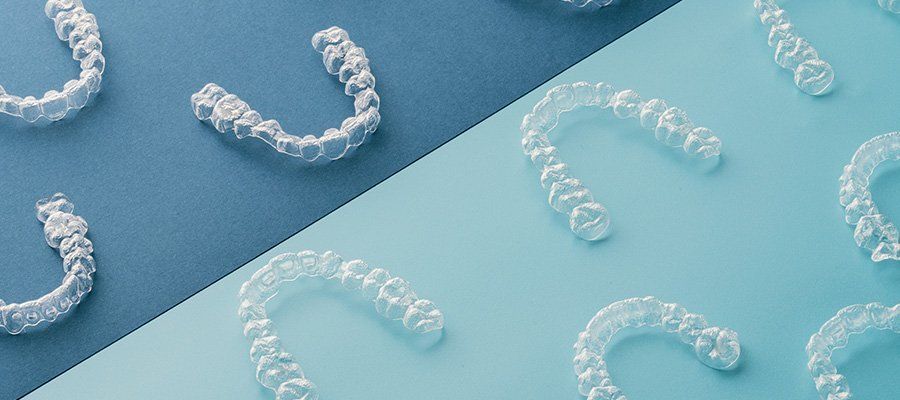
Invisalign clear aligners are modern orthodontic appliances that offer the same beautiful results as traditional metal braces. Unlike conventional braces, Invisalign appears “clear” and discrete in your mouth. Moreover, you can easily remove your no-wire and no-metal aligners when brushing your teeth, eating, and drinking. A major bonus is that Invisalign works faster than braces, as the average length of treatment with Invisalign is 12 months.
How Invisalign Works
Here’s a closer look at the Invisalign process in California.
Step 1: Research and Consultation
An important step to take in your journey toward straighter teeth is scheduling your consultation with a licensed orthodontist trained in the Invisalign treatment process. Keep in mind that not all orthodontists are trained Invisalign providers, therefore, ensure to do your research and choose a professional with proper training and sufficient experience.
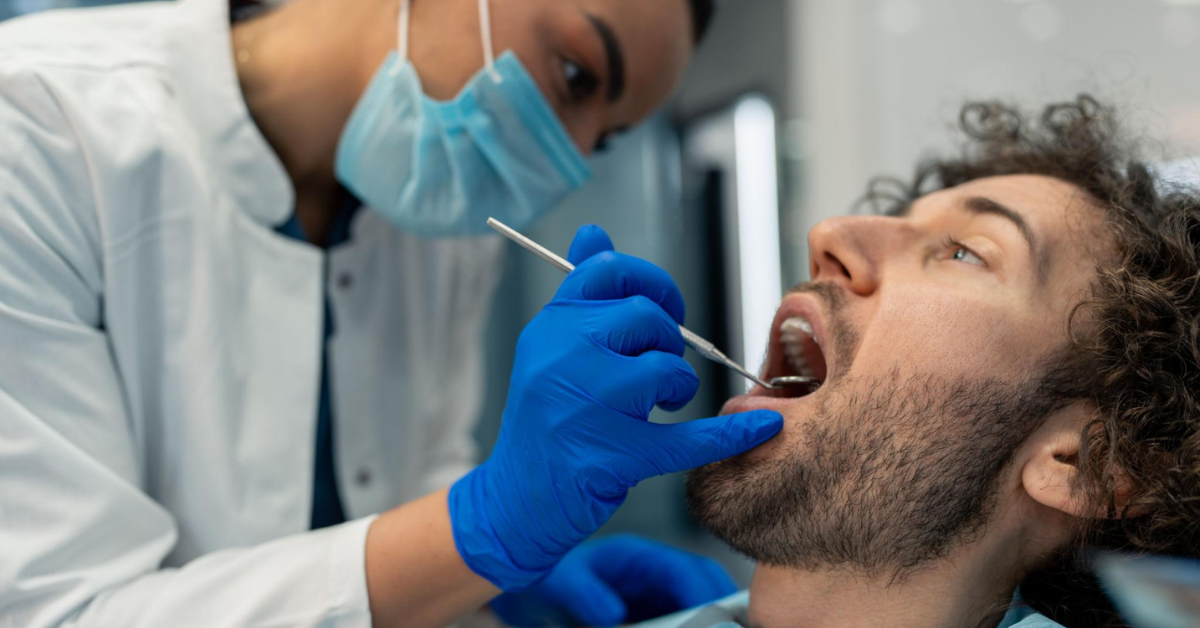
During your consultation, a licensed orthodontist should examine your oral cavity, take X-rays of your teeth, ask questions about your overall health, and discuss whether you are a candidate for Invisalign. Any dentist who immediately schedules you for treatment without guaranteeing your eligibility and safety is often not the best choice.
The bottom line: Pick a professional who not only has the right training and experience, but also makes you feel safe and comfortable.
Step 2: Personalized Treatment Plan
Once you and your provider agree that Invisalign is the appropriate treatment for your needs, the following step involves taking impressions of your teeth and developing a customized treatment plan.
To achieve your desired outcome, your dentist will begin the customization process by making a digital 3D image of your teeth, which will serve as a guide when planning the different stages of teeth positioning. Invisalign braces do not move your teeth all at once. Instead, your dentist will straighten a couple or a portion of teeth at a time. For adults, the treatment process takes about a year to complete. For teenagers, the Invisalign completion timeframe is almost the same as it is with traditional metal braces (between 6 months and 30 months) with variations depending on the extremity of your treatment needs.
Step 3: Wearing Invisalign Clear Aligners
Once you receive your clear aligners, which are made of BPA-free plastic products, you need to wear them for at least 20 to 22 hours daily. If you leave them off too often or too long, you will only prolong your treatment. Adjusting to your clear aligners shouldn’t be too much of a problem because, compared to metal braces, these will not irritate your mouth or cause little cuts on your inner cheeks.
That being the case, only remove your Invisalign clear aligners when brushing, flossing, eating, and when drinking fluids other than plain water. Avoid hot beverages, such as coffee and tea, as they can cause the plastic to warp. If you play sports and wear a mouthguard for protection, you can remove your aligners to allow your mouthguard to fit more comfortably. Read 7 Invisalign Tips for a Seamless Experience for more information.
To improve the teeth straightening process, your dentist will give you a new set of aligners every week or two based on your customized treatment plan. With every new pair of aligners, you will see your teeth gradually becoming straighter.
Step 4: Dental Checkups Every Six Weeks
Your orthodontist will need you to drop by the clinic every six weeks to ensure the treatment is working. During these checkups, your provider may also make alterations to your treatment plan — if necessary. Changes in your treatment plan, such as extending the amount of time you need to use a specific set of aligners, can be a consequence of you not wearing your clear aligners as instructed.
Step 5: Maintain Proper Oral Hygiene
Although this next step is obvious and already an instinctive habit to most patients, taking good care of your teeth and gums throughout the treatment process helps avoid dental problems that may impair your results. So, you’ve heard it hundreds of times before and we’re here to remind you again: brush and floss daily!
Add 9 Steps to Achieving Healthy Teeth and Gums to your reading list for more tips and tricks on maintaining a problem-free smile.
Step 6: Enjoy Your Beautiful Smile
As soon as your orthodontist says “your treatment is complete,” you will love your stunning new smile and will proudly beam for the world to see. Experience a renewed sense of confidence as you brave the world with a smile that radiates and captivates. No more hiding from the spotlight nor shying away from photographs.
Step 7: Aftercare
Having a good oral care routine and correcting any oral hygiene mistakes are essential to maintaining the results of your Invisalign treatment. And, if you want cavity-free and pearly white teeth, brush and floss regularly and remember to get professional teeth cleaning every six months.
There you have it. If how Invisalign works is something you’ve always wanted to understand, the team here at 24/7 Local Dentist Group hopes that this step-by-step explanation has been helpful
Where to Get Invisalign in Southern California
When it comes to getting Invisalign in Montclair, California, only entrust your smile in the hands of an extensively trained and experienced group of professionals like 24/7 Local Dentist Group. Also, getting Invisalign clear braces is a major medical and financial decision. If you need help making an informed decision about teeth-straightening procedures, we can help determine if Invisalign is the right orthodontic treatment for your future smile.
Contact us online or dial (833) 220-2448 to schedule your appointment. 24/7 Local Dentist Group has been providing the highest quality orthodontic treatments in a professional, welcoming, and caring environment since 1968.