Dental emergencies can happen to anyone regardless of age and level of physical activeness. Even during this time of self-isolation and quarantine, accidents such as falling on your face and chipping a tooth can occur within the walls of your home. Knowing what to do when a dental emergency arises can determine the difference between saving your tooth and harming your oral health.
What are the most common dental emergencies?
To preserve your beautiful smile amidst the coronavirus outbreak, below are six common dental emergencies and the teeth-salvaging actions you should take.
Loose Teeth
The majority of children between the ages of 10 and 13 have a full set of permanent teeth. Therefore, if you are over this age bracket, then it is often unusual to experience loose teeth. If you’ve fallen down the stairs and injured the oral cavity (mouth), one or more of your teeth may become loose as a result of trauma. In this case, you should call a dentist near Montclair or Irvine, CA immediately. Here at 24/7 Local Dentist, we are keeping our doors open to provide essential services, including emergency dental care during the COVID-19 pandemic. Contact us at (833) 220-2448 to make an appointment.
Knocked Out Tooth
Seeing your teeth is never a good thing, unless you are grinning in front of a mirror. If your tooth gets knocked out during an accident, do not touch the roots. Instead, pick up the tooth by the crown (the surface you chew on). If possible, the American Association of Endodontists (AAE) recommends positioning the tooth in its socket immediately and correctly. “Try to put the tooth back into its socket right away. Gently push it in with your fingers, by handling the crown, or position it above the socket and close your mouth slowly. Hold the tooth in place with your fingers or by gently biting down on it.”
Do not panic if you can’t place the tooth back in the socket. As an alternative, put the knocked out tooth in a glass of milk and bring it with you to our office. If there is no milk available, the AAE advises putting it in an emergency tooth preservation kit or inside your mouth next to your cheek. A knocked out tooth should be moist at all times and must be positioned back in the oral cavity within 30 minutes.
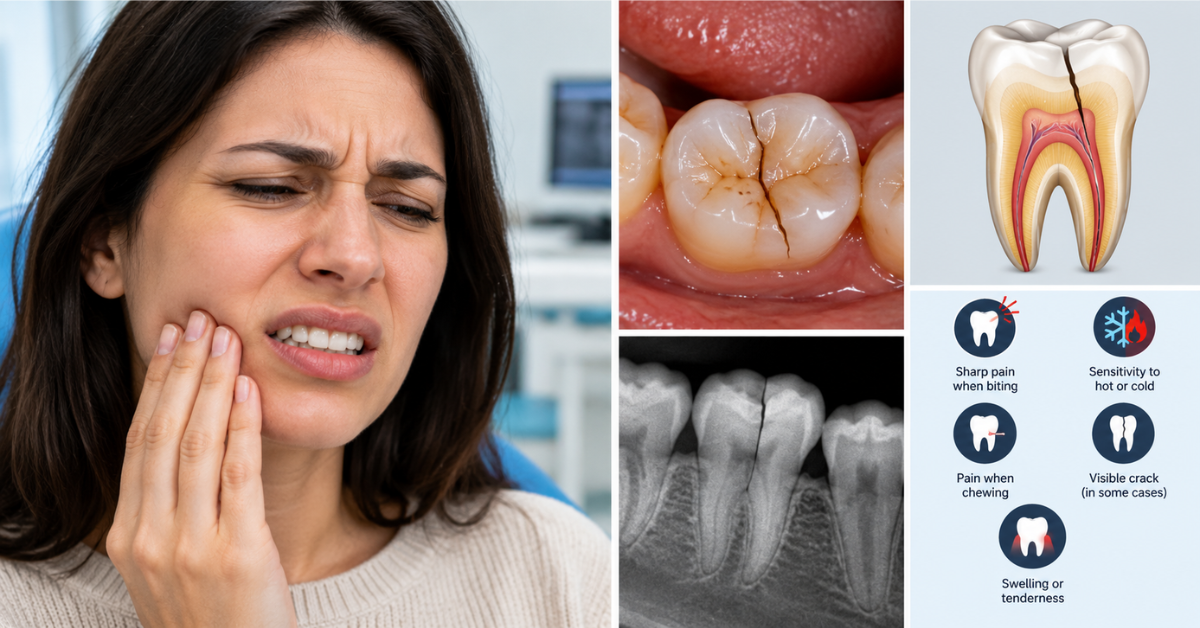
Broken Tooth
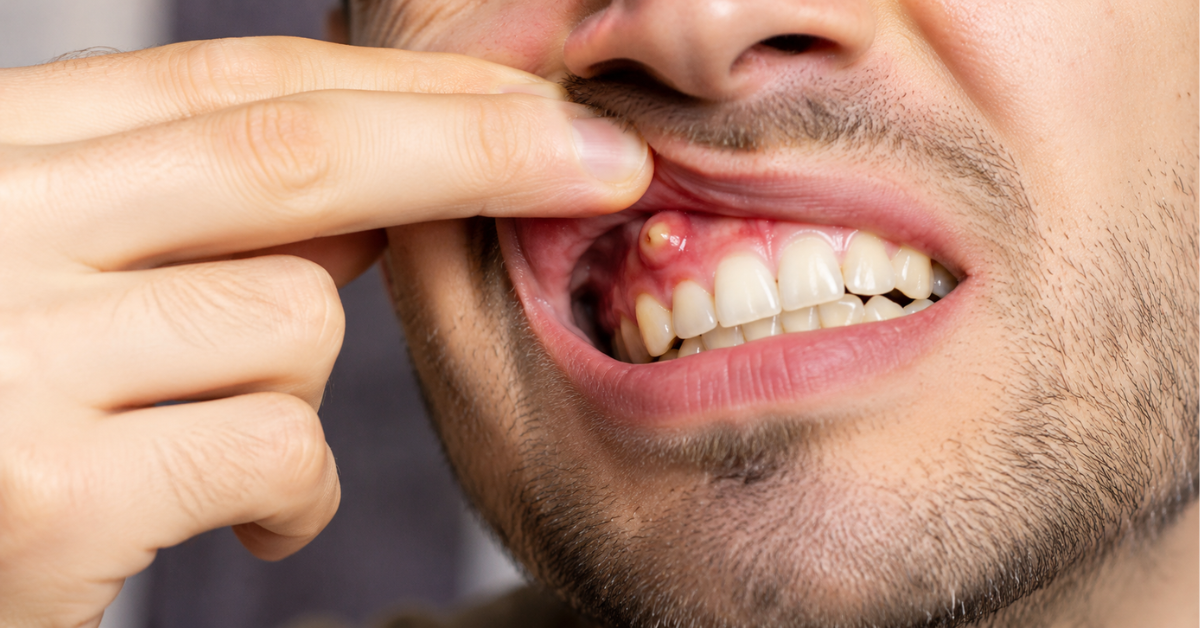
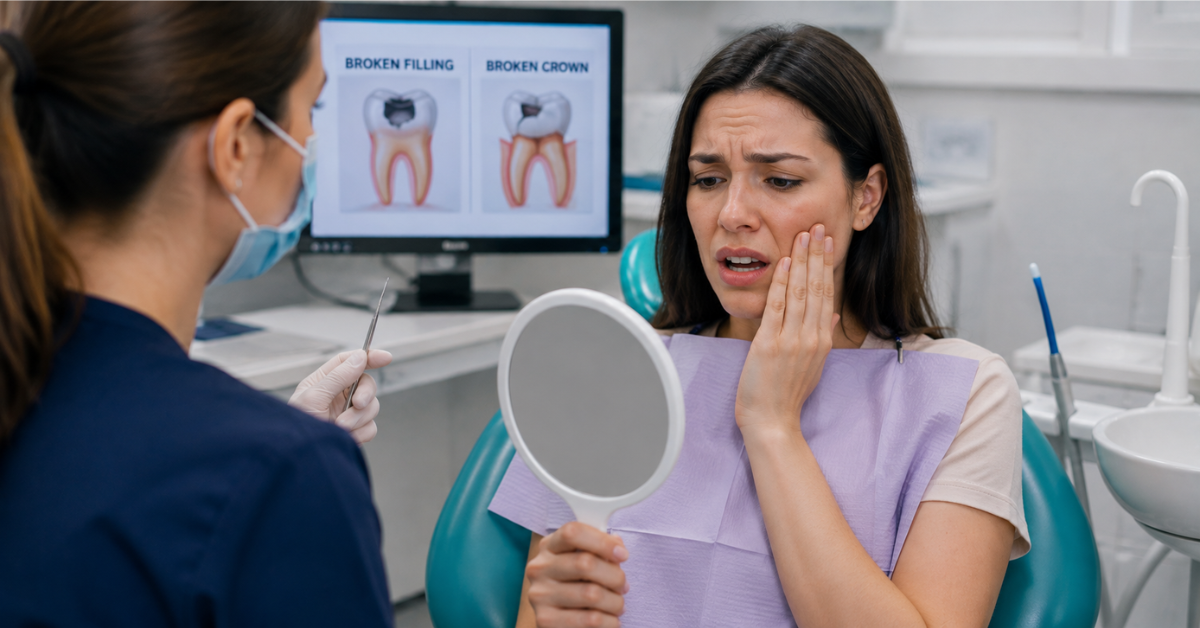
Compared to conditions such as chronic halitosis or periodontal disease (bad breath), most people assume that a broken tooth is not an oral health concern. Yes, in most cases, a tooth with a slight chip is non-threatening. However, the critical risk of leaving a fractured tooth unaddressed is the possibility of abscess formation. A substantial crack in the tooth makes the nerve inside vulnerable. The nerve and cells inside the tissue die and discharge the contents, which develops into pus and may trigger severe pain over time. Without treatment, what seems like a harmless breakage in the tooth can lead to tooth loss and serious complications, including osteomyelitis (bone infection) or sepsis (blood infection). To prevent the worst from happening, it is crucial to schedule an appointment with our Southern California dentist at your earliest convenience.
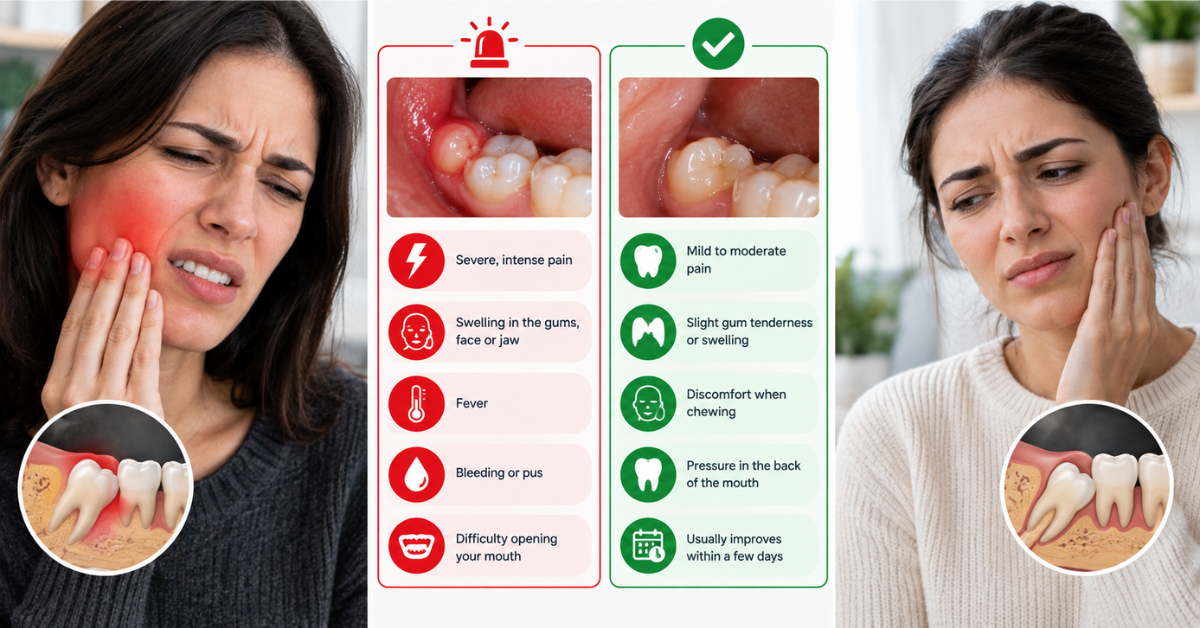
Tooth and Gum Infections
Most oral infections are painful, persistent, and will not go away on their own. Untreated tooth and gum infections can enter the bloodstream and cause a myriad of health complications, including pneumonia, acute bronchitis, and even chronic obstructive pulmonary disease (COPD). If you suspect a dental infection, do not hesitate to contact us. Swelling is a common sign of a serious dental infection. Remain upright and avoid lying flat until after you arrive at our clinic. You should also drink plenty of water to stay hydrated.
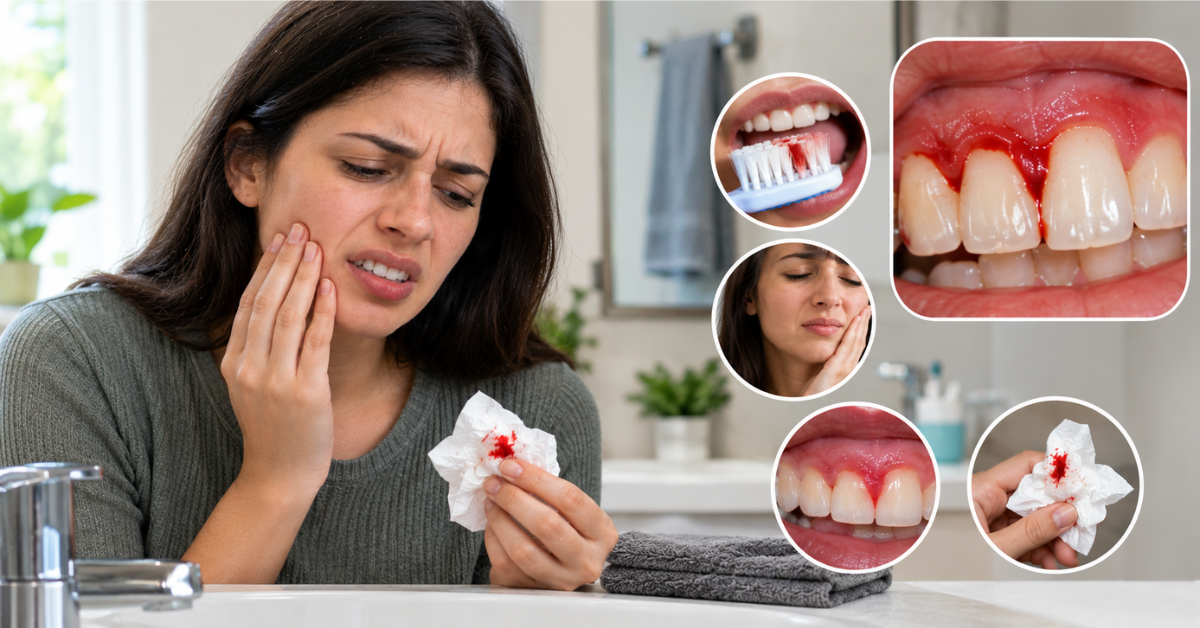
Bleeding
Bleeding from the mouth is not normal and requires a trip to the dentist’s office sooner rather than later. If you see blood when brushing or flossing your teeth, then you might have gum disease or gingivitis. Although this type of bleeding in the oral cavity is not an emergency, a dentist must examine it in the near future to prevent further problems. In contrast, finding traces of blood in your saliva may necessitate an immediate trip to the emergency room since it could be an indication of advanced oral cancer or advanced gum disease.
Persistent and heavy bleeding from the mouth is a different and serious problem that, in most cases, result from falling down, biting the tongue, or other accidents. In this case, call our office right away. On your way to us, control the bleeding by biting on gauze or a piece of cloth. If pressure does not stop the bleeding, bite down on a moistened tea bag for about 10 to 15 minutes. Avoid spitting and using tobacco products, both of which can make bleeding worse.
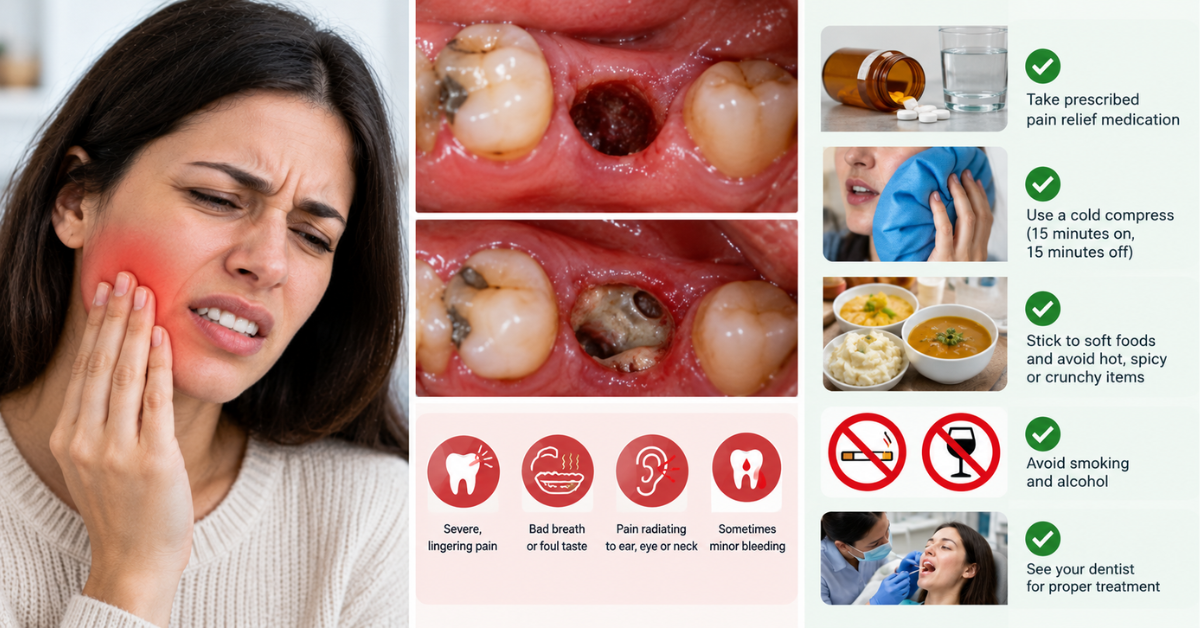
Pain in the Oral Cavity
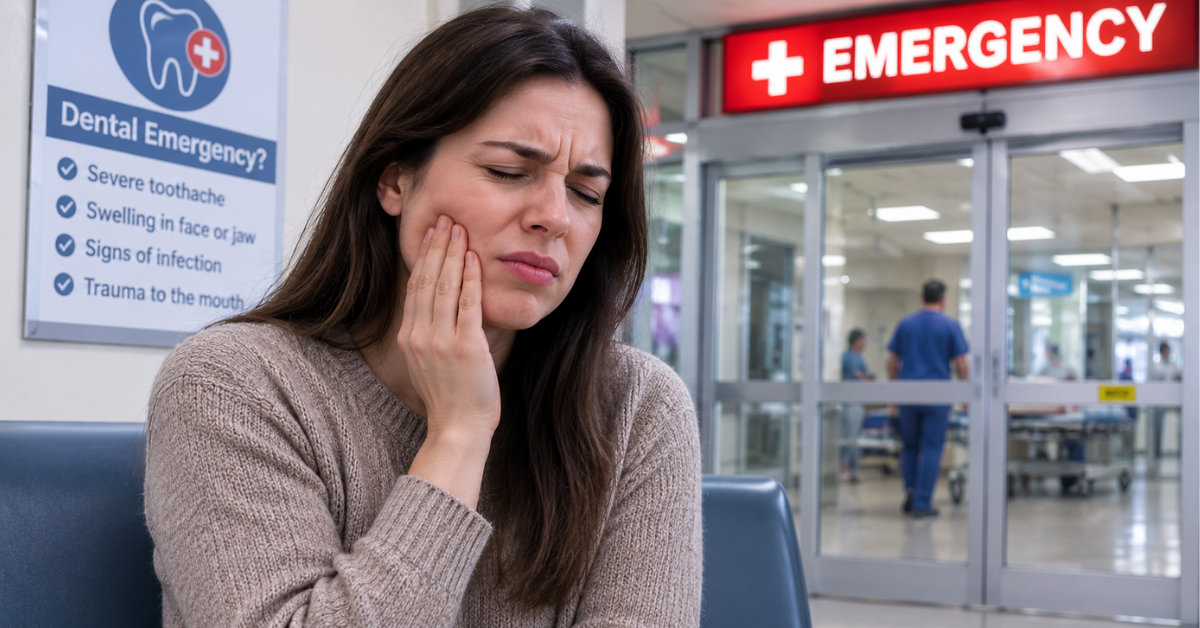
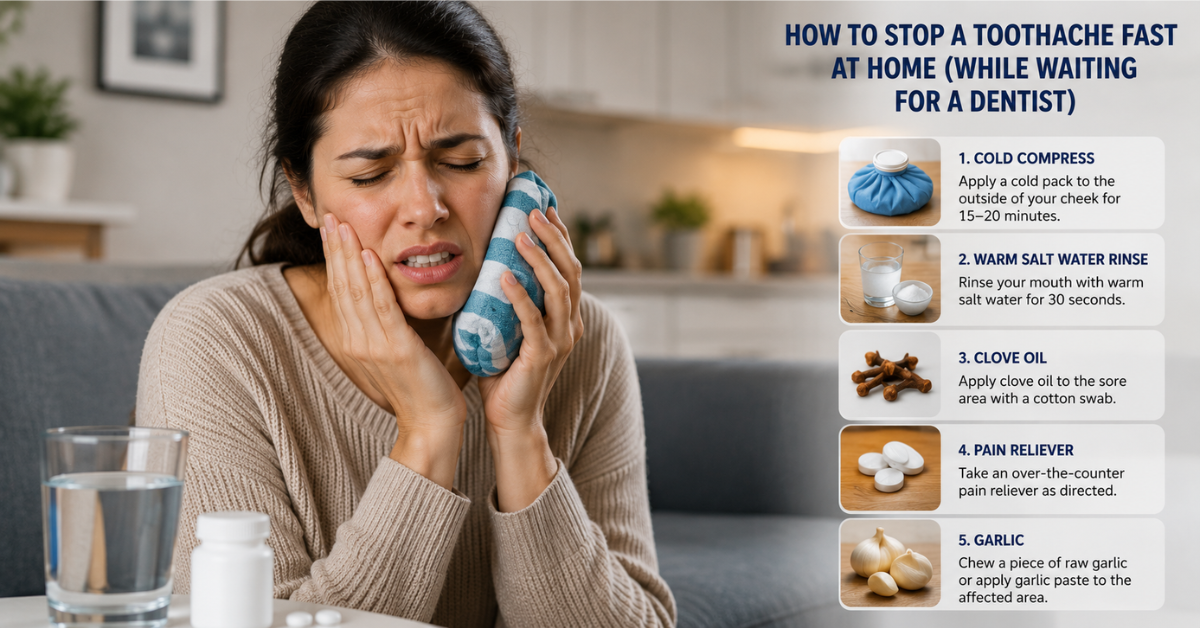
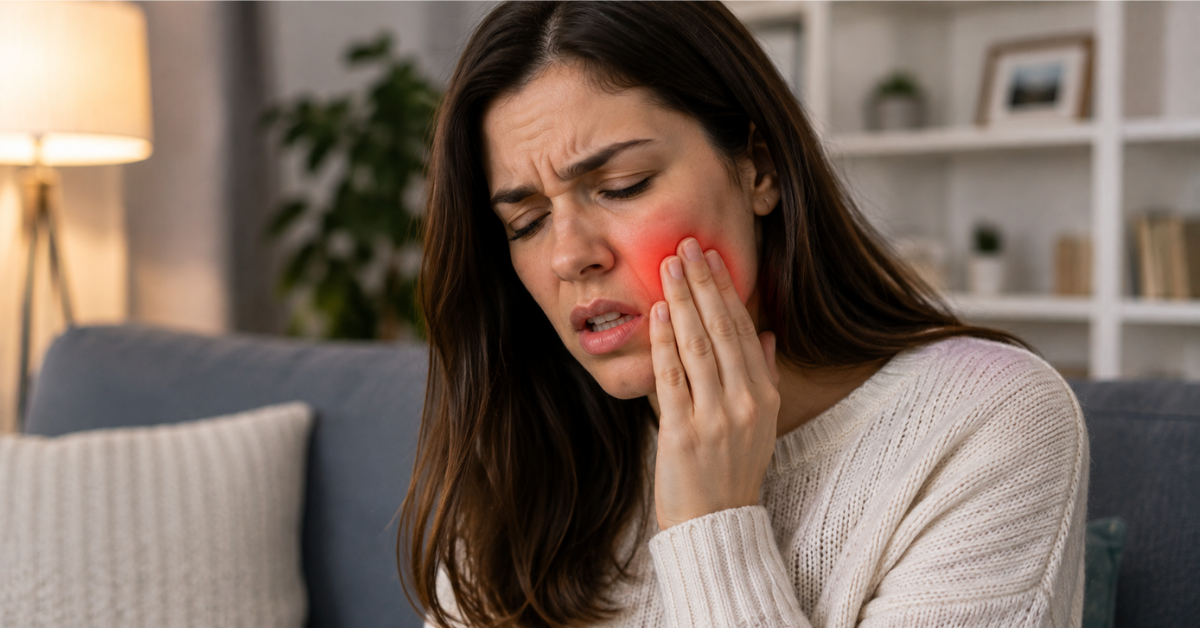
Most dental emergencies cause some degree of pain. How you should handle the situation depends on the extent of discomfort you are experiencing. For example, aches and pains when biting down can signal either a cracked tooth or an abscess. Whether the pain is minimal or extreme, contact us for immediate answers to any concerns you may have, as well as to set an appointment. Meanwhile, over-the-counter ibuprofen and acetaminophen drugs can provide relief. You can also apply an ice pack on the sensitive area to reduce pain and any swelling.
Unlike sharks' teeth, human teeth cannot regrow themselves. Therefore, it is important to correct oral hygiene mistakes and practice safety precautions even when doing simple household chores. After all, poor brushing and flossing habits lead to oral infections, and tripping over is among the most common accidents that can happen at home and potentially damage your smile.
Can I go to the dentist without an appointment?
Even in an emergency, the best course of action is to call your dentist’s office ahead of time in order for them to be better prepared for your arrival. Here at 24/7 Local Dentist, we encourage you to call us at (855) 328-6646 or contact us online for all dental emergencies or queries. We look forward to saving your smile.