Do you feel a sense of dissatisfaction or embarrassment with your teeth? Are you longing for a more esthetically pleasing smile? Or maybe you want to restore function to your mouth? If you said yes to one or more of these questions, you might have started researching the options for a California dentist. At 24/7 Local Dentist our team of dentists and specialists can provide you with a smile makeover and full mouth reconstruction which are likely to come across during your search for the best smile enhancement procedures.

What Do Smile Makeovers and Full Mouth Reconstructions Have in Common?
First, allow us to list the key similarities between these cosmetic dentistry options:
- Combines two or more dental treatments to address multiple oral problems
- Personalized to the unique needs of each patient
- May take a couple of months to complete
- Requires the training, experience, and skill of a renowned dentist in Southern California
Now, which of the two dental procedures is right for you? Keep reading as we explain the differences between a smile makeover and a full mouth dental reconstruction. This article also aims to help you decide which procedure can achieve the results you want.
What is a Smile Makeover?
A smile makeover is a series of dental procedures that a patient undergoes for esthetic purposes. It addresses many cosmetic conditions, such as:
- Teeth that are uneven in size or shape
- Dull or discolored teeth
- Crooked or crowded teeth
- Small or large spaces between the teeth
Therefore, if you are someone with healthy but gapped or uneven teeth, a smile makeover at 24/7 Local Dentist in Montclair or Irvine can transform your smile into a stunning one. Likewise, the results can raise your self-esteem and make you want to show off your pearly whites more frequently.
What is Included in a Smile Makeover?
Depending on your goals, a smile makeover can combine two or more of the following dentistry procedures:
- Teeth whitening. 24/7 Local Dentist treats mild to moderate tooth discoloration with ZOOM! Professional Teeth Whitening System, which uses a special gel to help break down stubborn stains in about an hour.
- Dental bonding. A general dentist has the option to use composite resin to remove decay and mask other flaws on the teeth. Bonding is often a cost-efficient alternative if you are a candidate.
- Orthodontics. Traditional metal braces, invisible braces, and Invisalign are powerful dental devices for correcting misaligned teeth. What’s more, they improve the way your jaw and teeth fit together.
- Dental crowns. While crowns are typically a restorative procedure under full mouth reconstruction, cosmetic dentists sometimes use these tooth-shaped dental caps to cover significant structural flaws.
- Gum reshaping. If you wish to modify your large or disproportionate gums, a cosmetic dentist may remove excess tissue to even out your gum line. Our specialists are skilled at crafting beautiful smiles.
Our experienced dental specialists can make important recommendations about which procedures will be most beneficial to you.
What is a Full Mouth Reconstruction?
A full mouth reconstruction involves a variety of dental procedures to restore not only the beauty of a smile but also the function of a full set of strong chompers.
In general, full mouth dental reconstructions are performed on patients who have:
- Several damaged teeth
- A high number of missing teeth
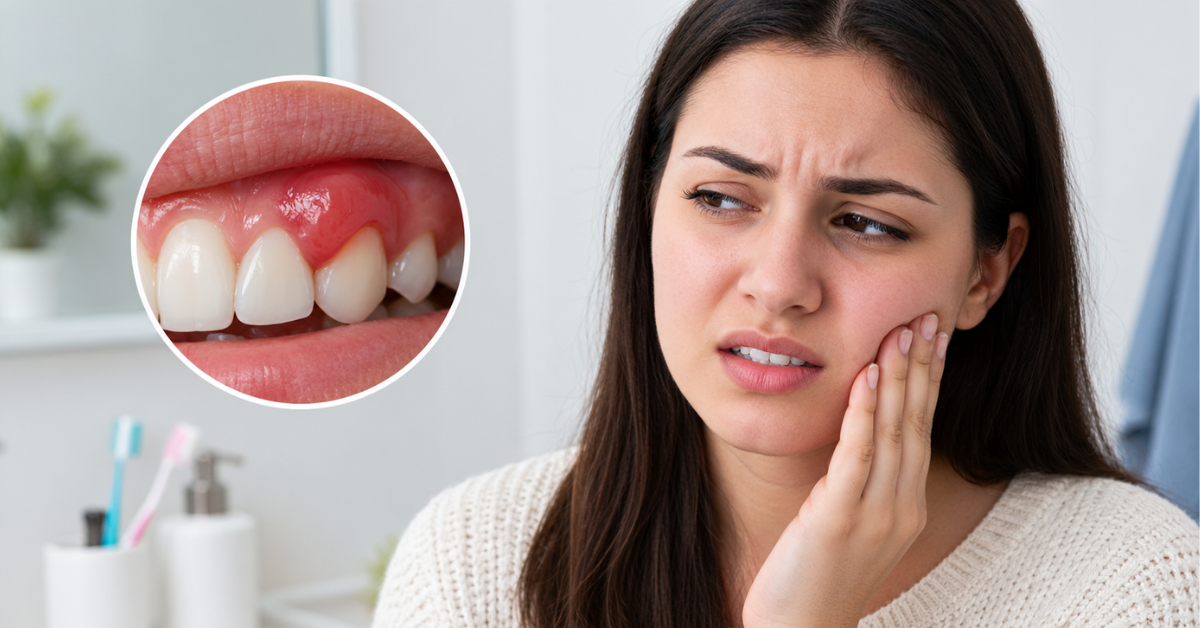
- Advanced gum (periodontal) disease that can lead to the eventual loss of teeth
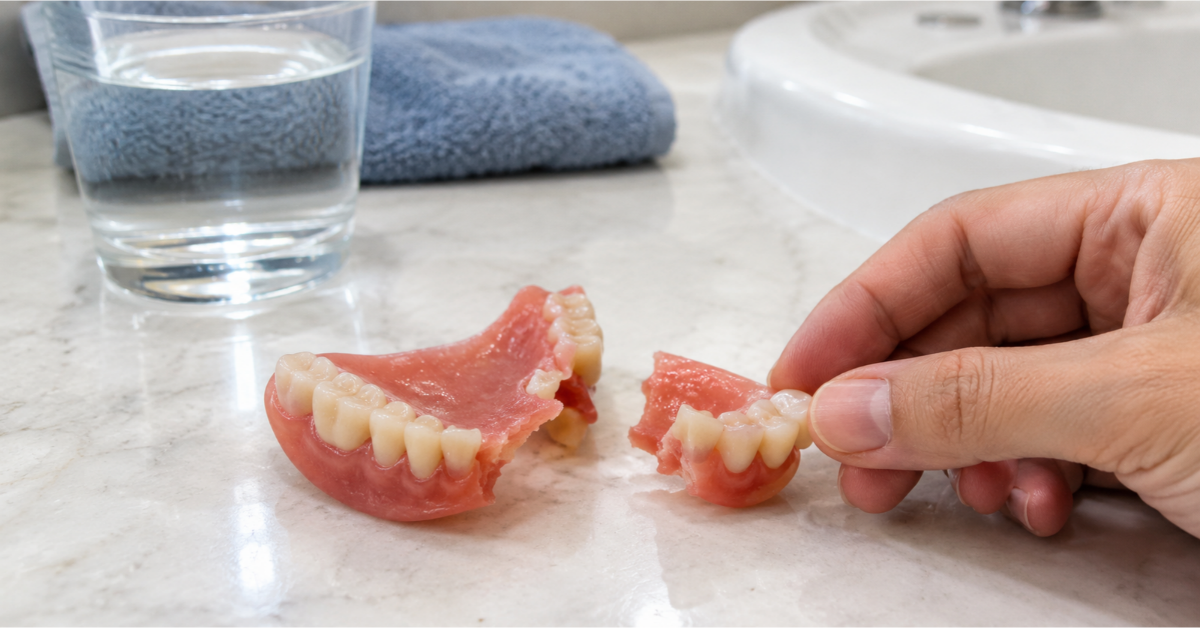
- Complete edentulism (toothlessness)
What are the Procedures in a Full Mouth Reconstruction?
Because a full mouth reconstruction rebuilds, restores and replaces most or all of the teeth in the mouth, it involves the simultaneous use of two or more of the following dental procedures:
- Root canal therapy. If you suffer from a badly decayed tooth, an endodontist may perform root canal treatment to eliminate all bacteria and clean the inner chamber of the infected tooth. After this, he or she will affix a dental crown to restore the appearance of a healthy tooth.
- Crowns. As mentioned, a crown restores structural flaws in the mouth.
- Tooth extraction. If a root canal cannot repair or save your decayed tooth, removing the tooth is often an option.
- Implant dentistry. Dental implants are titanium posts that our surgeon will insert into your jawbone and cover with dental crowns to replicate the appearance of natural teeth. These dental devices are the most permanent tooth replacement solution available.
- Dental bridges. Bridges are a series of three or more connected crowns, which replace the function and esthetics of missing teeth. With bridges, an experienced dentist will place two end crowns on your existing healthy teeth, and the middle crown or crowns will replace any missing teeth.
- Scaling and planing: This non-surgical procedure is the most common and effective treatment for gum disease. During scaling and planing, a periodontist will remove bacteria from your gums and smooth any rough patches on the tooth roots.
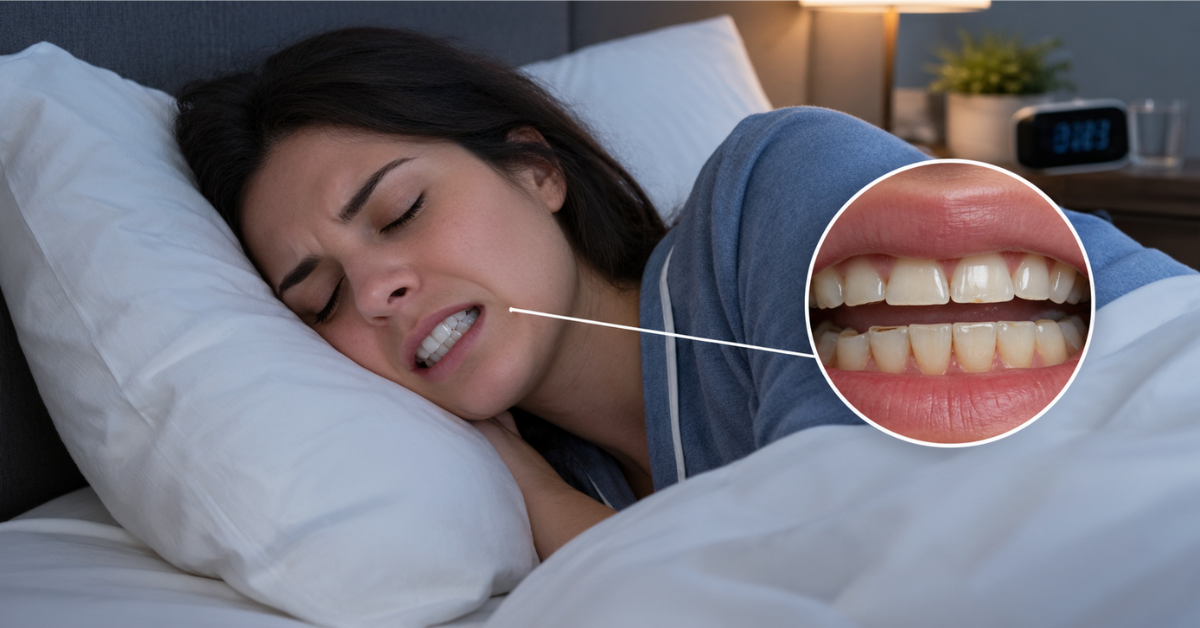
Like a smile makeover, a full mouth dental reconstruction depends on your preferences, goals, and the advice of our dental specialists. This procedure can address your teeth and gum concerns, and in some cases, alleviate jaw issues such as TMJ disorder or teeth grinding.
Conclusion
Although smile makeovers and full mouth reconstructions have similarities, they are conducted with different goals in mind. In a nutshell, a smile makeover an option to beautify your smile. On the other, a full mouth dental reconstruction is something you need to restore function.
Are You Ready to Flash a Brand New Smile?
Bad teeth plagues 1 in 3 middle-aged Americans and some millennials refuse to smile. Do not be one of them. If you wish to improve or restore your smile, visit 24/7 Local Dentist at any of our locations, where we can help you determine if you are a candidate for a smile makeover or a full mouth reconstruction. You can also call our offices at (833) 220-2448 to schedule your consultation.