For children, losing a baby tooth is a rite of passage; a recurrence in which the Tooth Fairy may reward in the form of money (sometimes up to $3.70) nestled under a pillow. On the contrary, for adults, tooth loss can be a serious — not to mention vexing — oral health concern.
Decay and trauma are among the common causes of tooth loss in adults. Although restorative options, including dental bridges, dentures and partials, and dental implants can successfully fill spaces created by one or more missing teeth, many Americans forego treatment and accept the loss instead. In fact, according to the American College of Prosthodontists, approximately 178 million people in the United States are missing a minimum of one tooth, and about 40 million Americans have lost all of their teeth.
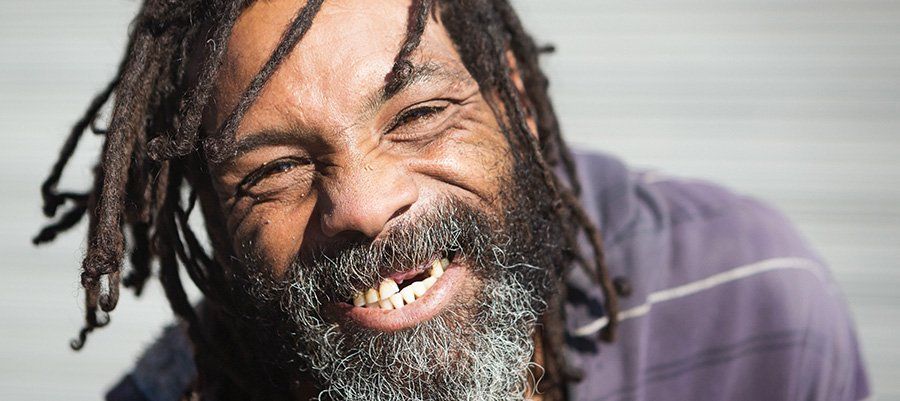
What Happens When You Don’t Replace Missing Teeth?
Top dentists in Southern California agree that failure to replace lost teeth could be detrimental to the functionality and health of a patient’s smile. Therefore, if you have lost one or more teeth and refuse treatment, it is possible to develop additional and more costly dental problems that may interfere with normal, everyday activities.
To help you understand the repercussions, here are the effects of missing teeth:
1. Bone Loss
“Failure to replace a missing tooth (or teeth) is the leading cause of jaw bone loss,” reports Consumer Guide to Dentistry. Your teeth play a significant role in stimulating and supporting the bone of the jaw. If you are missing one or more teeth, then the bone that once supported them no longer receives stimulation.
Similar to how unused muscle from lack of exercise can become atrophied, unused jaw bone can suffer the same consequence. Furthermore, this loss can lead to more serious problems, including changes in your appearance, health, and quality of life. You may experience pain, issues with your remaining teeth, and altered facial structure, to name a few.
2. Higher Fracture Risk
Aside from changing your appearance, missing teeth may make you more prone to fractures in the face following an accidental fall. The explanation behind this increased susceptibility lies in the jaw’s bone volume, which may begin to decrease when you lose teeth. Subsequently, a loss of volume results in weaker bones.
Compared to other fractures, note that bone breakages in the facial area or jaw may take longer to heal and cause medical complications.
3. Shifting Teeth
Even though teeth are firmly attached to the jawbone, they can still shift or move over time for a number of reasons, including as a result of tooth decay or gum recession. However, a missing tooth or teeth accelerates the problem of shifting significantly. The gaps where teeth should be create vast spaces into which the adjacent teeth can shift. This movement creates more space for other teeth to shift, and, in a domino effect, impacts the entire bite.
4. Bite Irregularities
Having one or more missing teeth can cause eventual bite irregularities that affect the health of your remaining teeth, gums, head and neck, jaw muscles, and jaw joint (temporomandibular joint). The way in which the chewing surfaces of your teeth come together determines your bite (occlusion). Failure to replace all missing teeth can cause your remaining pearly whites to shift, which can impact how your teeth come together when you bite.
Malocclusion (an improper bite) can lead to a myriad of health problems, including frequent headaches, muscle pain, unnatural wearing of the teeth, heightened tooth sensitivity, tooth loss, and TMJ disorders. The good news is that orthodontic treatments near Montclair, CA can help correct malocclusion of the teeth.
5. Difficulty Chewing
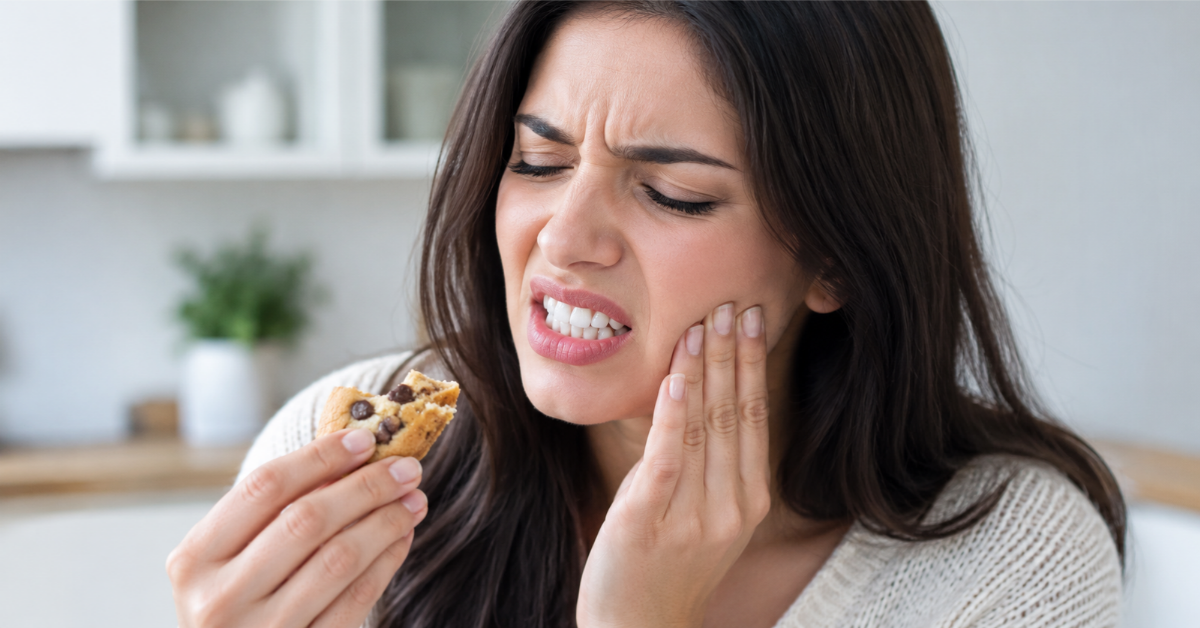
Missing front teeth, in particular, is problematic since you need them to break off bite-sized pieces of food. Meanwhile, the teeth in the back of your mouth (molars) play an important role in tearing and gnashing meat, vegetables, and other solid consumables. Thus, depending on the location of your missing tooth or teeth, you may have difficulty eating your favorite meals and snacks.
6. Digestive Problems
Your teeth are responsible for beginning the digestion process by breaking down the food you eat. Swallowing large pieces of food as a subsequent consequence of the latter issue (difficulty chewing) can cause incomplete digestion and absorption of nutrients. These nuisances are preventable by replacing missing teeth.
7. Speech Issues
Verbal communication is second nature to us, so sometimes, we may not realize the role teeth play in speech. For instance, try saying the sentence, “The hotel lobby was filled with tourists” slowly. Pay close attention to every time your tongue or lips come into contact with your teeth, as well as every time your top and bottom teeth come into contact with each other. If those teeth are missing or incomplete, your speech could sound lisped or slurred, and you may even experience whistling or spitting when speaking.
Dental Solutions for Missing Teeth
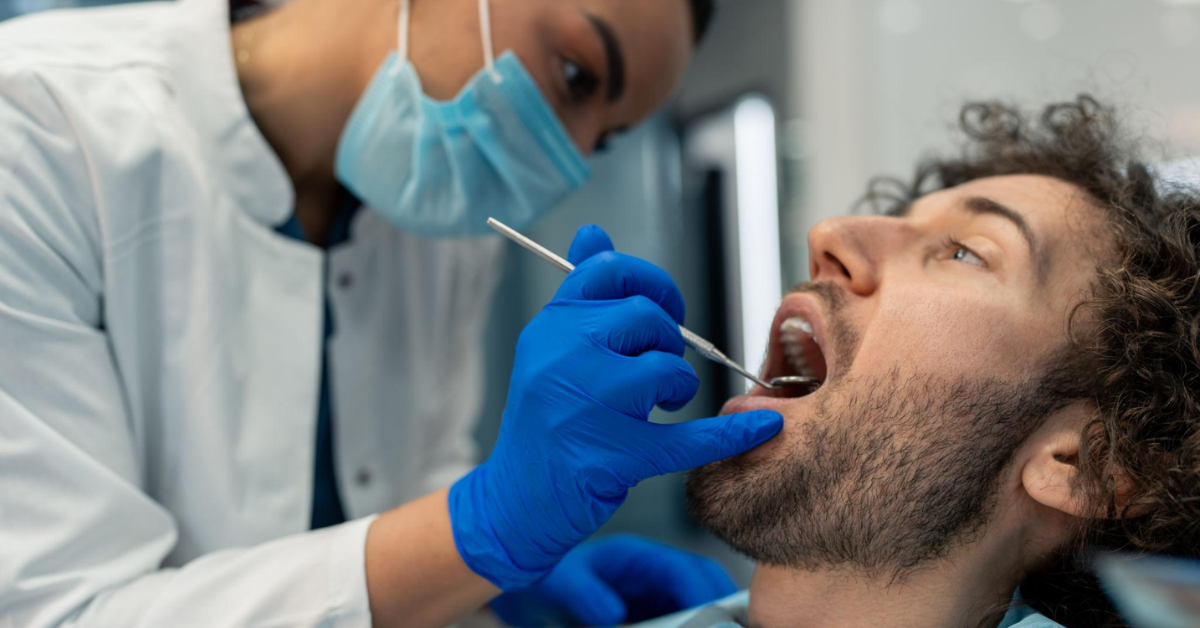
If you are one of the 178 million Americans with one or more missing teeth, you do not have to continue suffering the consequences. There are solutions for missing teeth problems, all of which are available here at 24/7 Local Dentist. Visiting our dental office in Irvine or Montclair, CA is the first step toward solving your missing teeth problems. Your treatment options include:
- Dental Implants. Dental implants are revolutionary surgical components that can replace a single tooth, a complete set of teeth, or anywhere in between. Stable and secure, they can last a lifetime with proper care and maintenance. Moreover, dental implants can look, feel, and function more like natural teeth more than any other solution. It’s no wonder they’re the most popular option for replacing missing teeth.
- Dental Bridges. Bridges are an excellent option when only one or a few teeth are lost. Your surrounding teeth will help hold the dental bridge in place. However, unlike dental implants, a bridge may need replacement more often and the surrounding teeth need to be prepared to accommodate the bridge.
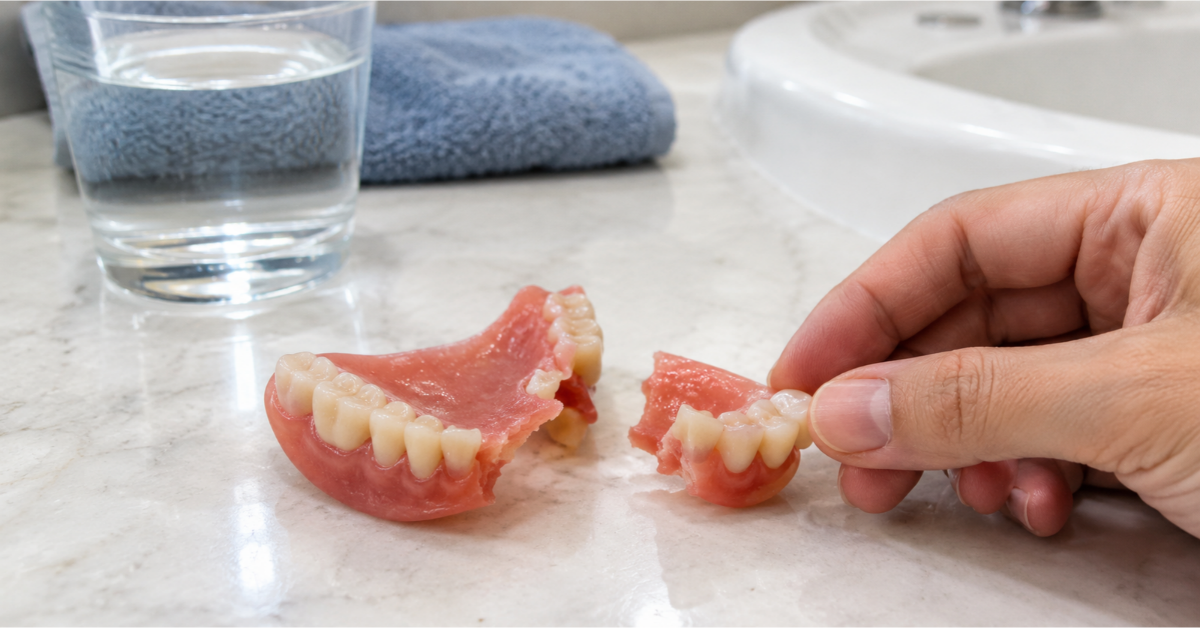
- Dentures. These prosthetic devices are usually a last resort in cases where implants and bridges are not feasible options. Although dentures help conceal the appearance of missing teeth, patients will still experience bone loss or atrophy over time.
Did you lose a tooth or two? 24/7 Local Dentist can help you determine which of these options can address your missing teeth problems. Contact us now to schedule an appointment at a dental office near you. We look forward to restoring your stunning, healthy smile.