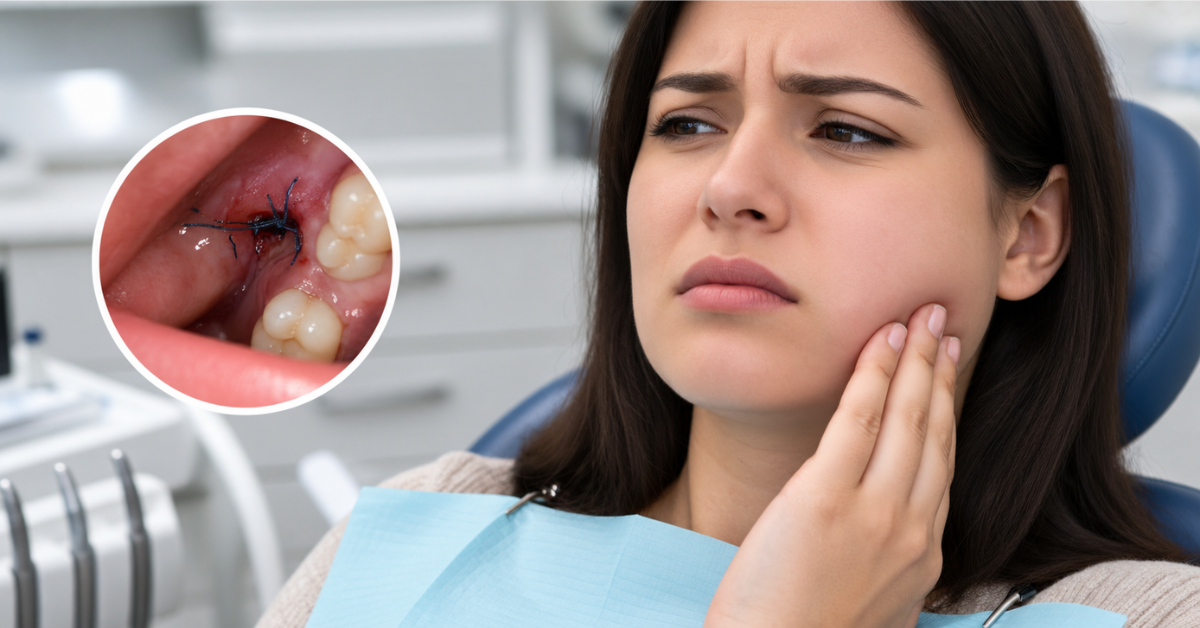
If you’ve never heard the term “ root resorption ” before, you aren’t alone, as it isn’t a common term outside of the dental profession. Root resorption is a natural, healthy process in children that occurs when the body resorbs the tissue that connects the primary (baby) teeth to the gums so that they can loosen and fall out to be replaced by the permanent teeth. However, this is a rare yet serious condition when it occurs in adults, leading to decay and other complications that can ultimately result in tooth loss. Continue reading as we discuss the types, causes, symptoms and treatment for root resorption.
Types and Causes of Root Resorption
As Colgate explains , when a tooth undergoes root resorption , the body’s immune system dissolves the tooth root structure. There are two types of root resorption : external and internal. External is the more common — in this case, decay occurs from the outside in. Internal resorption is characterized by damage that starts from within the tooth. As the condition progresses, the inside of the tooth is eventually absorbed into the root canal, leaving the inside hollow.
For this reason, it is more difficult to detect than external resorption, usually first showing up as a dark spot in a dental X-ray. While we’re getting a little ahead, this is an excellent time to point out that early detection of such insidious conditions is a good reason to have a twice-yearly dental examination !
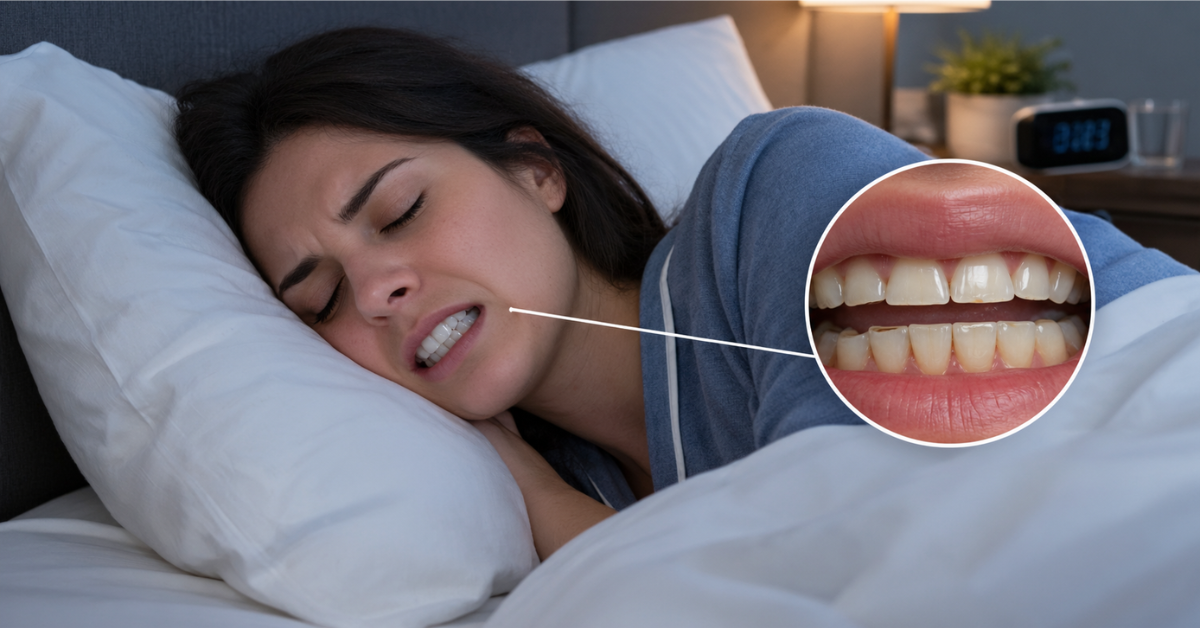
The cause of root resorption in adults isn’t always easy to identify. Dental professionals find root resorption most common in people between the ages of 21 and 30, affecting women more than men. According to Colgate , factors could be attributed to tooth nerve or gum infection, tooth movement due to orthodontic treatment, impacted teeth or chronic teeth grinding. Systemic diseases and endocrine disorders — such as hyperparathyroidism, Paget’s disease, calcinosis, Gaucher’s disease and Turner’s syndrome — can also be contributing causes to root resorption. However, in some cases, the cause is idiopathic — that is to say, unknown.
However, WebMD notes that men are more likely to experience internal resorption than women. You’re also more likely to suffer from internal resorption if you’ve had extensive oral surgeries.
Areas of the tooth that resorption can affect include the following :
- The tooth’s interior pulp.
- The root.
- Cementum, which covers the tooth’s root.
- Dentin, which is the second-hardest tissue in the human body, after enamel.
Signs and Symptoms of Root Resorption
Neither external or internal root resorption may present obvious symptoms. However, the following are symptoms of external resorption to be aware of:
- Cavities.
- Holes in teeth that aren’t cavities.
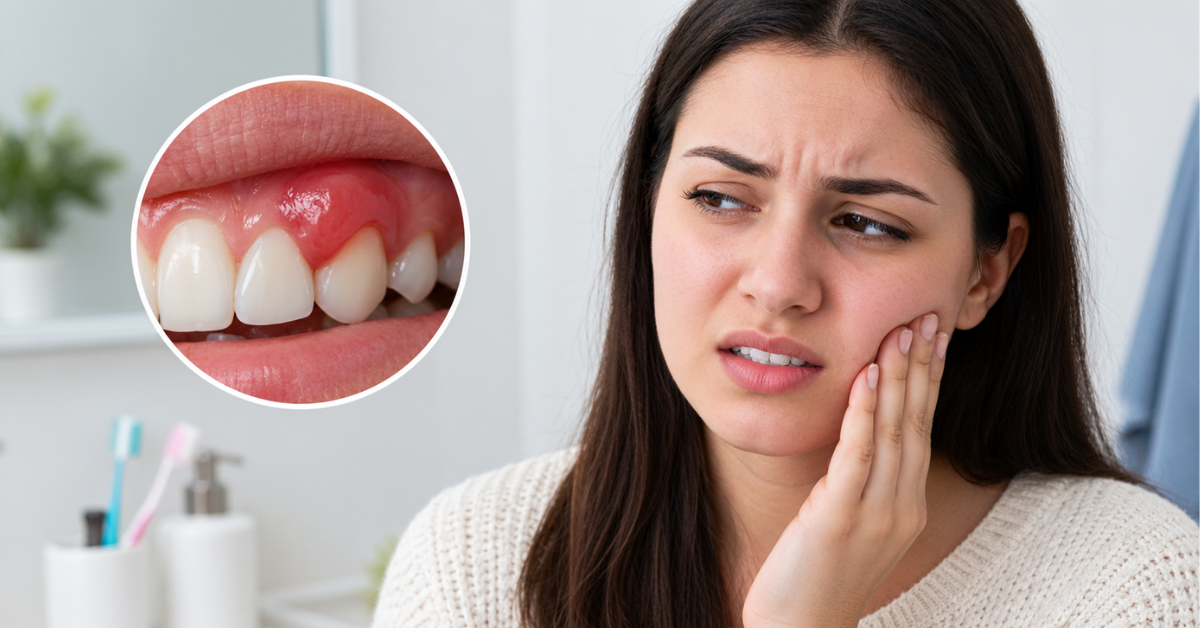
- Red, swollen, or inflamed gums.
- Irregular spaces between your teeth.
- Teeth that are unusually dark or pinkish in color.
- Pain that radiates from inside your tooth.
- Teeth that chip easily.
WebMD explains further . “You may not feel pain, and damage may be out of your sight where you don’t notice it easily. External resorption is considered a progressive disease, meaning that it worsens over time. The longer you go without treatment, the worse the damage is. While some damage is repairable, other damage isn’t and may lead to loss of your teeth. If the resorption tissue spreads into your bloodstream, damaged cells may travel to and affect other teeth and gum tissues.”
Resorption may contribute to other complications, such as:
- Infection or inflammation.
- Crooked teeth or misalignments.
- Tooth discoloration and weakness.
- Chips and fractures in the tooth.
- Cavity-like holes.
- Tooth loss.
- Recession at the roots.
- Pain.
Keep in mind there may be other causes for these oral health issues, so always discuss any concerns with your dentist .
Treatment for Root Resorption
As with any dental condition, preventive treatment is always best. But given the nature of external and internal resorption, practicing excellent oral hygiene may not be enough. Again, we emphasize the importance of a twice-yearly complete examination and cleaning. Your dentist will be able to observe any changes in your teeth and gums before they become apparent to you — which at that point means the situation is urgent.
Should your dentist diagnose external resorption, the next step is determining the extent of the damage. When only the outside of the tooth is affected, the area may be able to be repaired. When only the root is affected, a root canal is performed to remove infected tissue and restore the root structure. If the damage is too advanced for a root canal to be successful, your dentist will recommend extracting the tooth . In this case, the tooth may be able to be replaced with an implant or bridge . For internal resorption, a root canal or extraction are the only treatment options. Our blog post — “ Signs You Need a Root Canal ” — describes the procedure in detail.
The Take-Home Message
External and internal root resorption are somewhat rare conditions, the causes of which can be unclear. While we have identified certain factors that may trigger either type of root resorption, your best defense is performing a complete, consistent program of oral hygiene, and scheduling regular dental examinations. These actions may not prevent resorption, but you will be better positioned to benefit from timely intervention that can prevent further damage and deliver an overall positive outcome.
We understand that the main concern you may have is cost, which is why we accept all major PPO plans for dental insurance and also offer our in-house dental plan. Please see our financing page for more information.
At 24/7 Local Dentist , it is our mission to provide the highest quality and most compassionate oral care to our Chicago patients, including both dental and periodontal services . Our dental specialists include our general dentist, Dr. Nilofer Khan , our endodontist, Dr. Sabek and our periodontist, Dr. Amir Danesh . Dr. Danesh is a board-certified periodontist and Diplomate of the American Board of Periodontology . He has contributed to the publication of two books, as well as published over 20 papers in prestigious dental research journals.