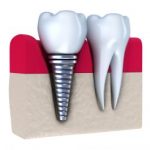
For many people, dental implant surgery provides an alternative to dentures or bridgework that doesn’t fit well. The surgery can be a daunting procedure, but the benefits may far outweigh the minimal discomfort involved. Having strong, functional teeth will not only allow you to eat and speak properly, but will assist in maintaining your overall oral health. If you are considering getting dental implants, keep reading to learn the answers to some of the most frequently asked questions.
Do Dental Implants Work Like Real Teeth?
As dental implants are not real, the only difference you will experience is a lack of sensitivity . When you drink a cup of hot coffee, or a take a big bite of ice cream, you will not feel the typical overwhelming sensation. Otherwise, your implants will look and function exactly like natural teeth. For this reason, they should be similarly maintained. Brush and floss twice a day, and avoid habits that may damage the glazed finish. If your dental implants are compromised, they may need to be replaced.
How Painful Are Dental Implants?
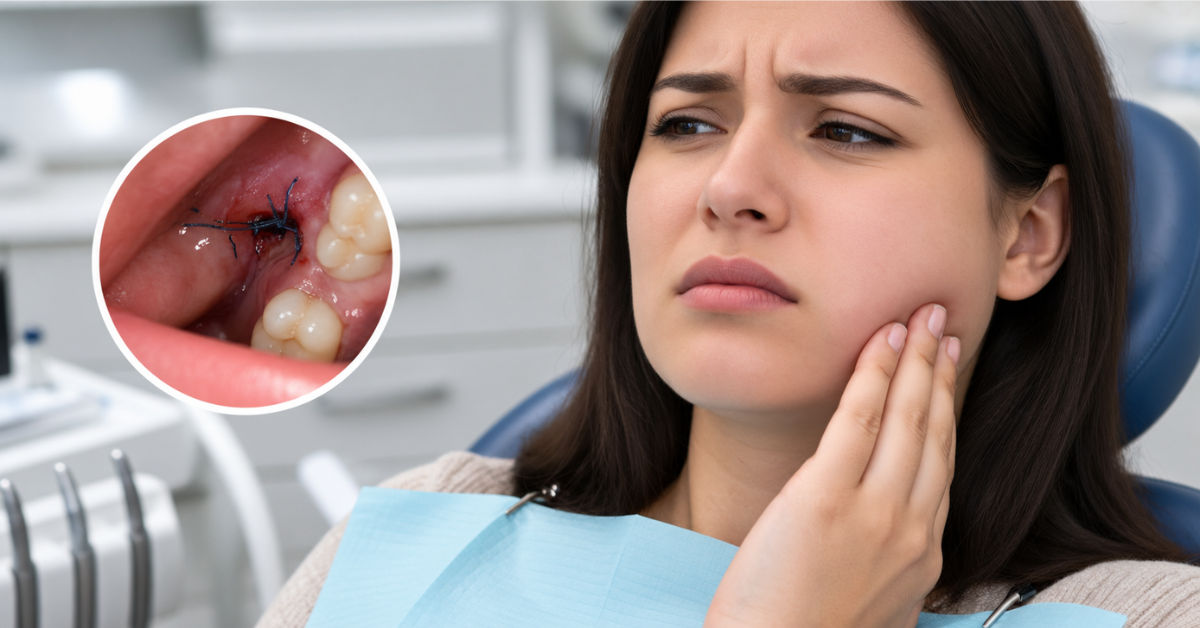
 Pain during and after a procedure, is always one of the top concerns on people’s minds ‒ and understandably so. During a dental implant procedure, you should not feel any pain. As a comparison, it is said to be
less painful than having a tooth extracted
, which usually consists of light pressure. Some discomfort after surgery is normal, as it is invasive. However, any post-surgery pain can be managed with painkillers recommended by your oral surgeon.
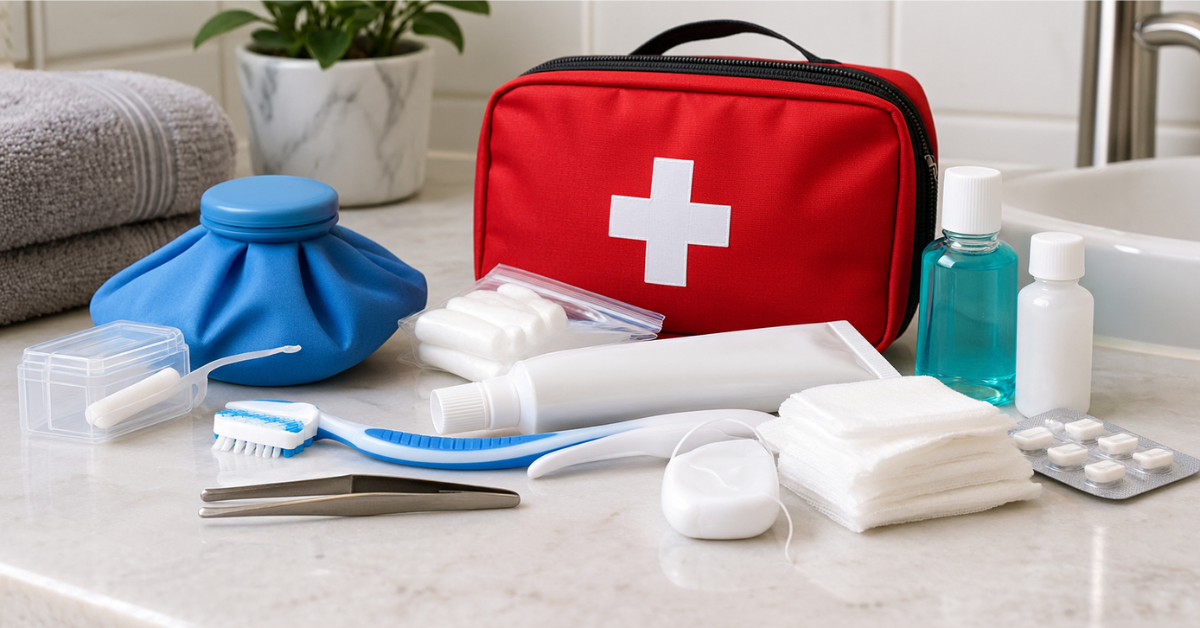
Other common side effects including swelling and bruising to the face; around the cheeks, chin, and under the eyes. Using an ice pack can help reduce swelling. When it comes to eating, stick to soft foods for the following 10 to 14 days. After meals, you will be instructed to rinse your mouth with a warm saltwater solution. This will not only act as an antiseptic, but will also soothe and heal the tissue.
Are Dental Implants Worth It?
The advantages of dental implants include restored aesthetics and functionality without the drawbacks of dentures or partial plates. Because dentures are typically associated with aging, implants help people feel youthful, thereby boosting self-confidence.
Dental implants last an average of 10 to 15 years.When well maintained , they have been known to last even longer. Due to their appearance, long-lasting function, and the multiple procedures necessary for completion, dental implants are relatively expensive. They can cost up to $6,000 for a single tooth, and will vary depending on the type of implant you receive.
It is also important to pursue dental implants in order to promote bone growth. When you lose teeth, the lack of tooth roots can allow your jaw bone to disintegrate over time. The specially designed implants replicate a real root, and assists in supporting neighboring teeth and stimulating the jawbone. The sooner you purse dental implants, the better your chances are of preventing bone loss.
However, women who take a class of medication known as bisphosphonates for the prevention and treatment of osteoporosis need to be cautious . Prescribed under the trade names Fosamax, Actonel and Boniva, they work by preventing bone breakdown and increasing bone density (thickness). This may adversely affect the ability of the jawbone to break down or remodel itself, thereby reducing or eliminating its ordinary capacity to heal. While complications are rare, it’s important to tell your dentist if you are taking one of these medications when discussing dental implants.
24/7 Local Dentist offers dental implant services, including All-On-Four Implants and Teeth-in-a-Day procedures. We utilize state-of-the-art technology, the highest quality restorative materials available and advanced procedures through minimally invasive techniques. Schedule an appointment to learn if you are a candidate, or contact us with any questions.