Bad breath, also known as halitosis, is a common condition affecting one in four people . In the United States alone, chronic halitosis impacts an estimated 60 million people. Keep reading to discover symptoms associated with halitosis, as well as common causes and treatments.
Symptoms of Halitosis
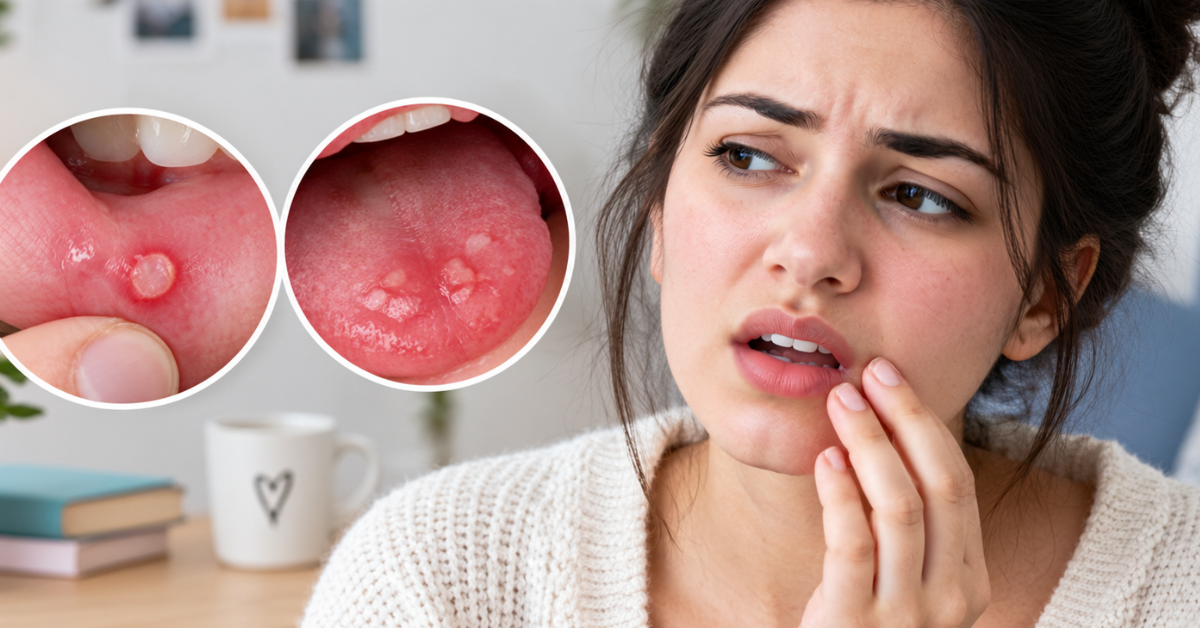
If you have halitosis, you are likely to experience one or several symptoms . They can include dry mouth, a coating on your tongue, a sour taste or a change in taste. In most cases, it is unlikely that you should see a doctor, unless it persists following improved dental hygiene. A doctor or dentist can help determine the underlying cause, or rule out serious conditions. They may request a complete medical or dental history, or take x-rays to confirm the health status of your jawbone, teeth and gums. In the event that you notice any sores, white spots on the tonsils, fever, or pain when chewing/swallowing, seek medical attention.
What Causes Halitosis?
Halitosis is a general term for bad breath, as it can be caused by a variety of habits of factors. These can include the following:
- Diet – It is widely known that certain foods can cause distinct and unpleasant odors when eaten. They can also cause gastrointestinal upset and belching, which expels the odor into the air. Another common cause: some low-carb diets, which cause the body to burn fat as an energy source,thereby producing ketones that emit a fruity, acetone-like odor.
- A medical disorder or disease – A variety of conditions are known to cause bad breath , particularly those associated with the mouth, nose and throat. This can include diabetes, liver or kidney disease, lactose intolerance, chronic bronchitis and other conditions, such as gastroesophageal reflux disease ( GERD ) – which can cause bad breath due to the regular reflux of stomach acids.
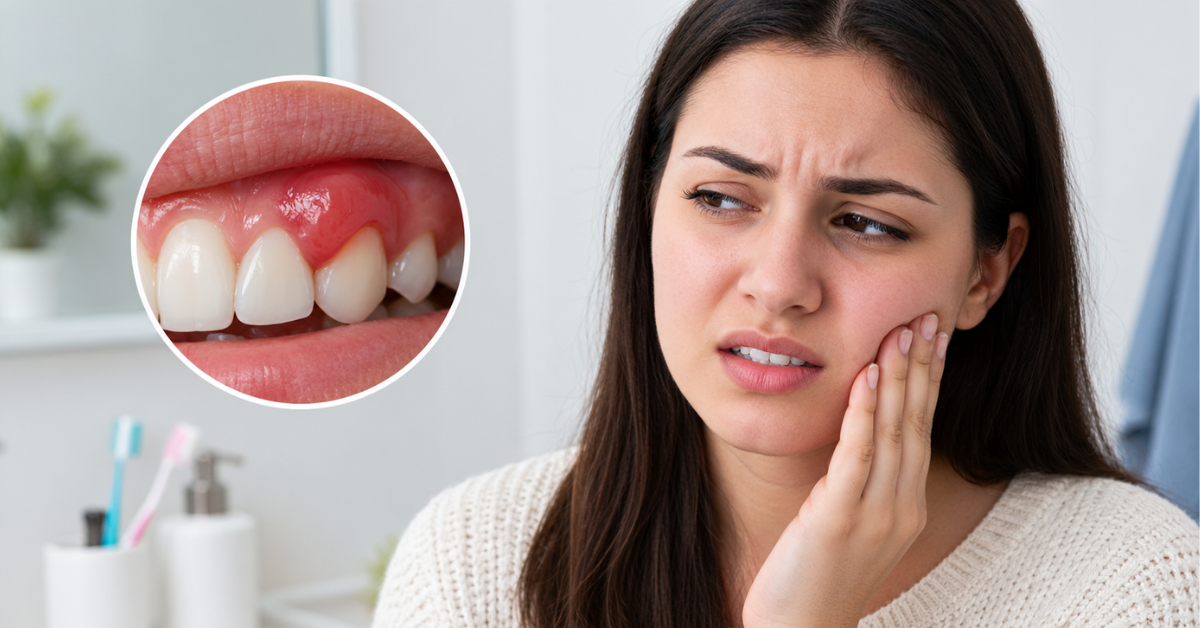
- Poor dental hygiene – The foul smell associated with halitosis is often due to bacteria missed by your toothbrush or floss. It can be left on your tongue, below the gum line, between teeth, and other difficult-to-reach areas. The same goes for leftover food that eventually begins to break down in all of those hidden crevices. It is also a side effect of a number of oral diseases, such as tooth decay or gum disease.
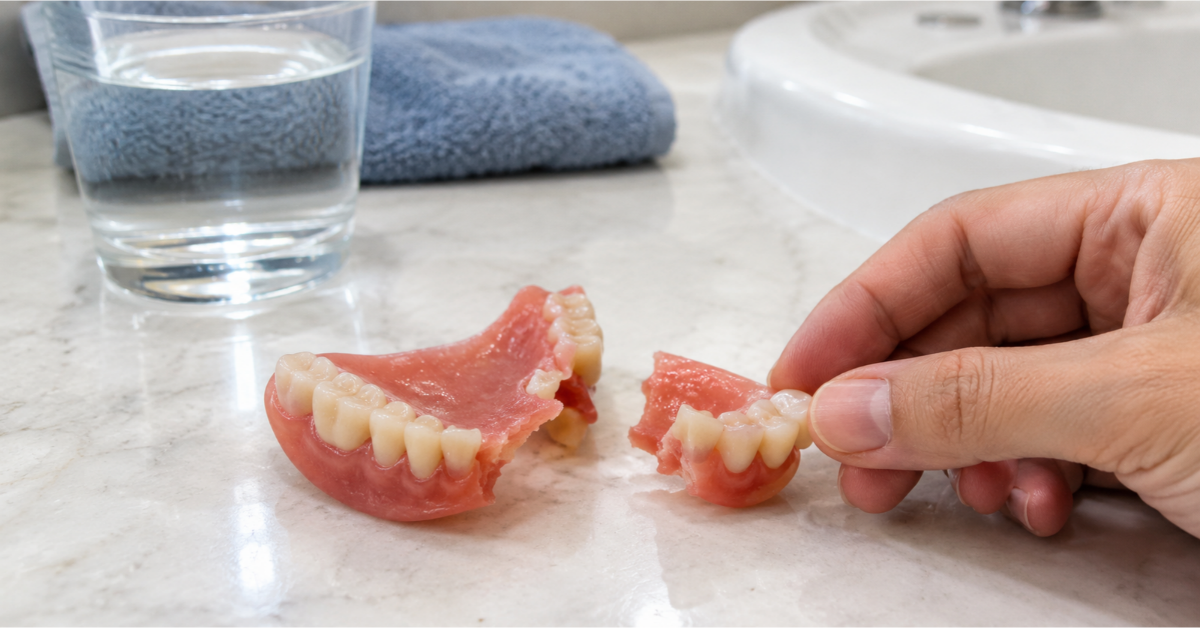
- Dental appliances – Cleaning any dental appliances – such as retainers or dentures – is equally as important as brushing your teeth. Left uncleaned, food can become trapped in the appliance and stay pressed against your gums or teeth for hours at a time. This leaves bacteria build-up that can be transferred back into your mouth, where it eventually produces an unpleasant odor.
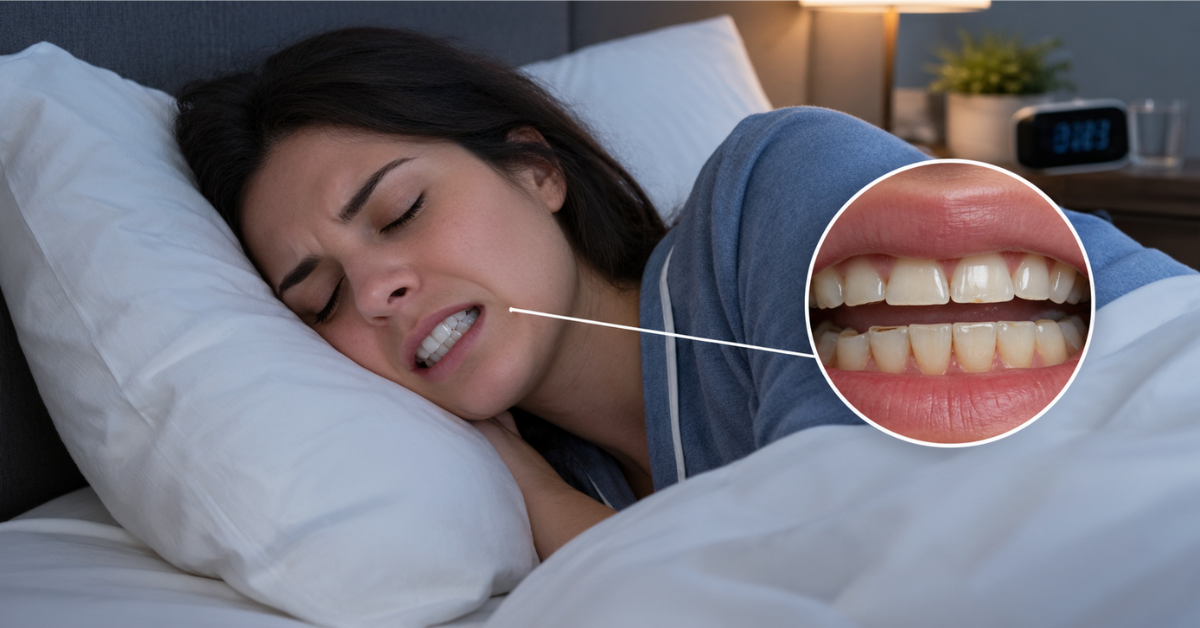
- Morning breath – Typically due to dry mouth, morning breath is a common culprit for halitosis. An estimated 61 percent of Americans experience dry mouth due to breathing through their mouth, rather than their nose, while sleeping.
- Tobacco or drugs – Tobacco is known to cause bad breath, as it increases the chance of tooth decay and gum disease. Drugs, which often decrease saliva production, can increase odors due to dry mouth and the release of chemicals. Some drugs that cause bad breath include nitrates, chemotherapy chemicals and tranquilizers. People who regularly take vitamins can also experience bad breath. Research the vitamins in your regimen to learn if this is a possible side effect.
How to Treat Halitosis
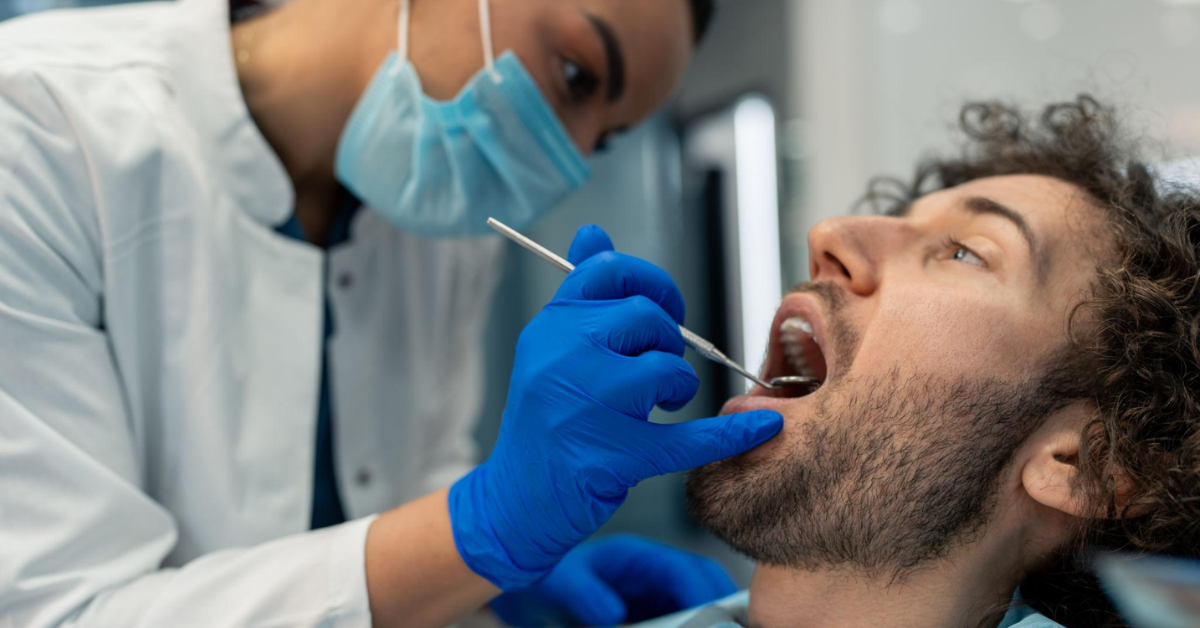
 Bad breath is an embarrassing condition that can impede on your confidence and the ability to socialize. Curing halitosis starts with determining the root cause, and whether it can be resolved, or only managed ‒ such as irreversible gum disease. Start by visiting your dentist for regular mouth and teeth cleanings. This will not only benefit your overall oral health, but will allow the dentist to monitor the state of your halitosis. During these visits, your dentist will also be able to provide halitosis treatments, such as a tongue scraping, to remove any buildup of bacteria.
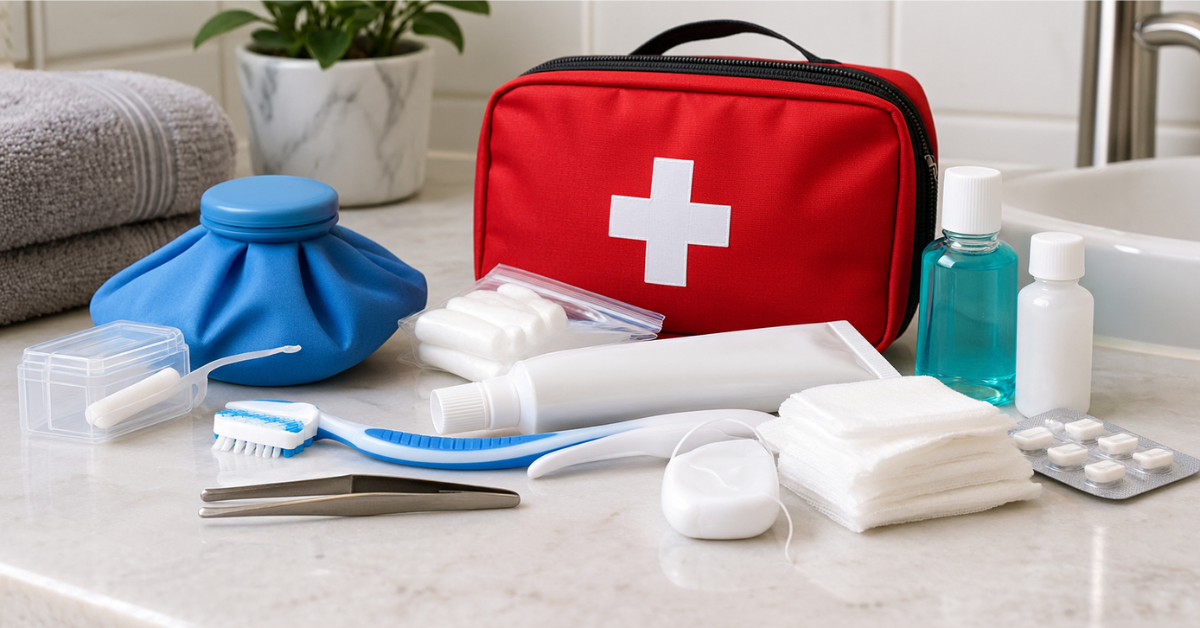
At home, spend adequate time brushing and flossing at least twice a day, for two minutes minimum. This includes frequently overlooked areas, such as the tongue and any hidden gum areas. It can also be supplemented with an alcohol-free mouthwash. Drink water regularly, or seek a doctor-prescribed medication if you are experiencing chronic dry mouth. If you wear a retainer, dentures, or any dental appliances, clean it daily. Finally, avoid any strongly odored or sugary foods, as well as alcohol and coffee.
At 24/7 Local Dentist , we take pride in creating a path to improved oral health for each of our patients. Lead by Dr. Nilofer Khan , our team of courteous and highly-trained professionals go above and beyond to deliver personalized attention. We are happy to address any of your concerns, and look forward to the opportunity to educate. Contact us , or call (833) 220-2448, and make an appointment today!